No products in the cart.
Farm safety practices in Kenya are essential for preventing accidents, protecting workers, and ensuring sustainable productivity. By adopting proper equipment handling, protective measures, and risk management strategies, farmers can reduce injuries and operational losses. Cougar Nets offers high-quality nets, mesh, and farm accessories that enhance safety while supporting eTIMS-compliant farm operations.
Introduction: The Importance of Safety in Farming
Farming is inherently risky, involving machinery, chemicals, livestock, and environmental hazards. Every new farm project—from establishing a vegetable nursery in Nairobi to starting a fish pond in Mombasa—requires a structured approach to safety. Proper planning reduces accidents, increases efficiency, and protects investments.
Cougar Nets supports farm safety by providing shade nets, poultry mesh, anti-bird nets, trellis nets, and fish pond covers, all designed to protect crops, livestock, and infrastructure. All products are supplied with eTIMS-compliant invoices, ensuring regulatory compliance and documentation for business deductions.
H2: Conducting a Safety Risk Assessment
Before starting any project, farmers should identify and evaluate potential hazards.
| Risk Area | Examples | Mitigation Measures |
|---|---|---|
| Machinery | Rotavators, tractors, pumps | Regular maintenance, operator training |
| Chemicals | Fertilizers, pesticides | Proper storage, PPE, labels |
| Livestock | Cattle, poultry | Secure enclosures, vaccinations |
| Water Systems | Ponds, irrigation | Use Fish Pond Cover Nets, signage, life-saving equipment |
| Environmental | Slopes, flooding | Drainage systems, raised beds |
A formal risk assessment helps prioritize safety interventions and informs staff training.
H2: Protective Gear and Equipment Handling
-
Always use PPE: gloves, boots, goggles, and masks where required.
-
Follow manufacturer guidelines for tools, pumps, and milking machines.
-
Store tools in dry, safe areas to prevent accidents.
Integrating netting solutions increases safety:
-
Poultry Mesh prevents bird escape and accidental injuries.
-
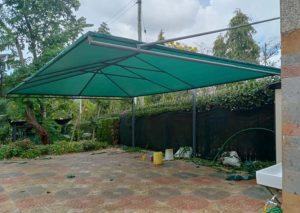
Shade Nets provide safe, shaded work areas to prevent heat stress.
-
Anti-Bird Nets protect stored crops from pests and reduce handling accidents.
H2: Safe Use of Farm Machinery
-
Train operators before using tractors, pumps, or ploughs.
-
Inspect machinery daily for wear or loose parts.
-
Follow manufacturer schedules for lubrication and part replacement.
Maintenance Tip: Storing machines under protective nets or shelters prevents sun and rain damage, extending equipment lifespan.
H2: Chemical Handling and Storage
-
Store chemicals in ventilated, locked areas.
-
Label all containers clearly.
-
Mix fertilizers and pesticides in well-ventilated areas.
Proper handling reduces risks to farmers and the environment. Protective nets over crop areas can also minimize exposure to drift and contamination.
H2: Safe Livestock Management
-
Construct secure poultry and animal enclosures using Poultry Mesh.
-
Regularly vaccinate and inspect livestock.
-
Provide shaded areas to reduce heat stress using shade nets.
Proper handling reduces injuries to both animals and farm workers.
H2: Water Safety on Farms
-
Mark deep water areas clearly.
-
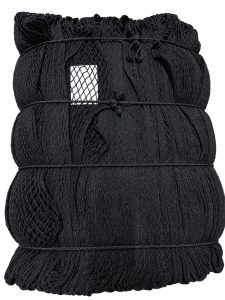
Cover ponds and tanks with Fish Pond Cover Nets to prevent accidents.
-
Ensure aerator pumps (Aerator Pump) are safely installed with electrical precautions.
Water management and safety protocols prevent drowning and contamination risks.
H2: Fire and Electrical Safety
-
Keep machinery away from flammable materials.
-
Install proper grounding for electric pumps and irrigation systems.
-
Train staff to respond to electrical hazards.
Netting materials such as shade nets should be flame-retardant where possible to minimize risk.
H2: Emergency Planning and First Aid
-
Maintain first aid kits and train staff in basic medical response.
-
Have evacuation plans for floods, fires, or chemical spills.
-
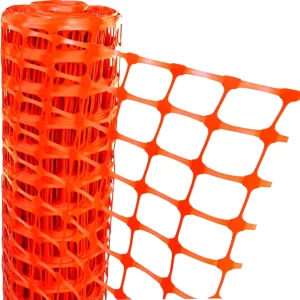
Ensure clear signage around hazardous areas.
Documenting safety protocols aligns with eTIMS compliance, supporting farm insurance and regulatory audits.
H2: Safety Checklists and Continuous Monitoring
| Safety Area | Frequency | Responsible Person |
|---|---|---|
| Machinery Inspection | Daily | Farm Manager |
| Chemical Inventory | Weekly | Safety Officer |
| Livestock Housing | Daily | Animal Care Staff |
| Water Systems | Weekly | Aquaculture Staff |
| Protective Nets & Shade | Monthly | Maintenance Team |
Regular monitoring ensures proactive prevention of accidents and operational interruptions.
H2: Local Case Studies
-
Kisumu Vegetable Farm: Use of shade nets for nursery areas reduced heat stress injuries and improved seedling survival.
-
Eldoret Dairy Farm: Poultry mesh and secure enclosures prevented livestock escapes and worker injuries.
-
Mombasa Aquaculture: Fish pond covers and aeration pump protocols prevented accidents during rainy seasons.
These examples demonstrate the real-world benefits of structured safety practices.
Conclusion
Implementing farm safety practices in Kenya before starting a new project is essential for protecting workers, equipment, crops, and livestock. Combining proper PPE, machinery maintenance, chemical safety, water and electrical safety, and protective nets such as shade nets, poultry mesh, fish pond covers, and anti-bird nets ensures a safe and productive farming environment. Cougar Nets provides durable products, expert guidance, and eTIMS-compliant documentation to support safe and efficient farm operations.
CTA: Ensure Safety on Your Farm with Cougar Nets Today!
Protect your farm, workers, and investments with Cougar Nets. We provide premium nets, expert advice, and nationwide East Africa delivery to ensure safe and productive farming.
Nationwide & East Africa Delivery Available
Premium quality nets for all applications
Professional installation and expert advice
Bulk orders and custom solutions available
Serving Kenya (Nairobi, Eldoret, Kisumu), Uganda, Tanzania, Rwanda, South Sudan, Ethiopia, and beyond
Contact Us for a Quote:
Email: sales@cougarnets.co.ke | info@cougarnets.co.ke
Phone: +254 706 903 465
Visit Us: Darosa Plaza, Karen Rd, Nairobi