No products in the cart.
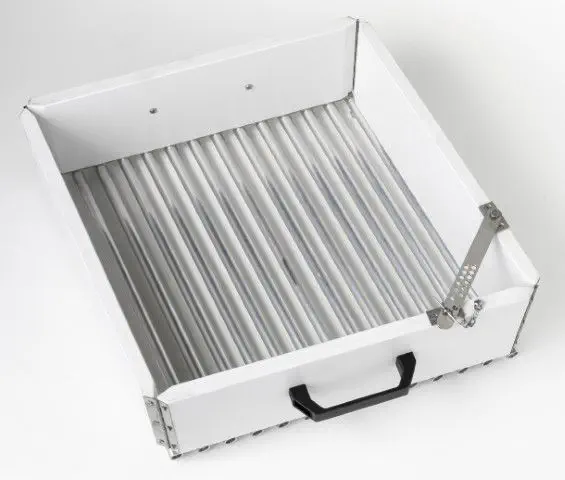
Fish grader Kenya tools are essential for separating fish by size, ensuring uniform growth, and maximizing farm profitability. For aquaculture farmers in Kenya, using a fish grader reduces competition among fish, improves feed efficiency, and minimizes losses during harvesting.
In this guide, we will explore the 5 best fish graders available in Kenya, explain how to use them effectively, compare different types, and highlight their benefits for commercial and small-scale fish farms.
Why Fish Graders Matter in Aquaculture
Grading fish is a critical practice in tilapia, catfish, and other freshwater species farming. Using a fish grader Kenya ensures:
-
Uniform Growth: Fish of similar size grow faster and healthier.
-
Efficient Feeding: Reduces feed wastage as fish compete less.
-
Reduced Mortality: Minimizes cannibalism and stress during handling.
-
Better Harvest Management: Simplifies sorting for market-ready fish.
Farmers who implement grading consistently often see higher yields and better profit margins.
1. Manual Fish Graders
Manual graders are simple, cost-effective tools for small-scale farms.
Features:
-
Hand-operated, lightweight, and portable
-
Suitable for small ponds or tanks
-
Affordable and easy to maintain
Benefits:
-
Ideal for beginners or low-volume operations
-
Reduces stress when handling smaller fish
Combine manual graders with fish cage nets to move fish between ponds safely.
2. Automatic Mesh Graders
Automatic mesh graders are widely used in medium to large-scale fish farms.
How They Work:
-
Fish are passed over graded mesh sizes
-
Smaller fish fall through lower meshes, larger fish remain on top
-
Continuous separation with minimal handling
Benefits:
-
Speeds up grading process
-
Reduces labor costs
-
Ensures uniformity across large batches
3. Rotary Drum Fish Graders
Rotary drum graders are highly efficient for commercial farms.
Features:
-
Cylindrical rotating drum with perforated surfaces
-
Grading occurs as fish pass through the drum
-
Adjustable mesh sizes for different species
Advantages:
-
Handles high volumes efficiently
-
Minimizes fish injury during grading
-
Can be combined with aerator pumps to maintain oxygen levels
4. Water Flow Fish Graders
Water flow graders use controlled currents to separate fish.
How They Work:
-
Fish are guided through channels with flowing water
-
Water velocity and channel design separate fish by size and strength
-
Often used in hatcheries and nurseries
Benefits:
-
Gentle on fingerlings
-
Reduces handling stress
-
Efficient for high-density ponds
5. Hybrid Fish Graders
Hybrid graders combine mesh, water flow, and mechanical systems for maximum efficiency.
Features:
-
Suitable for commercial aquaculture farms
-
Can handle multiple fish species and sizes
-
Adjustable settings for precise grading
Advantages:
-
Reduces labor and handling stress
-
Ensures uniform fish size for optimal growth
-
Integrates with other pond management systems
How to Choose the Right Fish Grader in Kenya
When selecting a fish grader Kenya, consider:
-
Farm Size: Manual graders for small ponds, rotary or hybrid for commercial operations
-
Species: Tilapia, catfish, or trout require different mesh sizes
-
Volume: Choose a grader that can handle your daily output
-
Durability: Materials resistant to rust and wear for tropical climates
-
Compatibility: Can integrate with other aquaculture tools like fish pond cover nets and shade nets
Step-by-Step Guide to Using a Fish Grader
-
Prepare the Grader: Clean and set mesh or drum sizes according to target fish size
-
Transport Fish: Use fish transport air pumps or nets to move fish safely
-
Grading Process: Feed fish into the grader slowly, allowing them to separate naturally
-
Collect Sorted Fish: Transfer graded fish to appropriate ponds or tanks
-
Maintain Equipment: Rinse, disinfect, and store after each grading session
Proper use reduces stress and increases survival and growth rates.
Benefits of Using Fish Graders
-
Uniform Growth: Fish reach market size more consistently
-
Improved Feed Efficiency: Fish of similar size consume feed more evenly
-
Labor Savings: Automated systems reduce manual handling
-
Higher Profits: Better survival, growth, and product uniformity increase farm revenue
Investing in a quality fish grader Kenya is a strategic step for any aquaculture operation.
Troubleshooting Common Fish Grading Issues
| Problem | Solution |
|---|---|
| Fish injury | Reduce mesh size or water flow speed |
| Overcrowding | Grade in smaller batches |
| Pump or aeration issues | Ensure proper aeration with aerator pumps |
| Equipment clogging | Regularly clean mesh and drums |
Conclusion
A fish grader Kenya is an essential investment for farmers who want healthier, uniform, and more marketable fish. From manual to hybrid graders, selecting the right equipment depends on farm size, species, and volume. Using graders alongside quality aquaculture tools like fish cage nets, pond cover nets, and shade nets ensures optimal fish growth, survival, and profitability.
Call to Action
Get Your Fish Graders Today!
Upgrade your aquaculture farm with the best fish grader Kenya tools for faster growth, uniform sizes, and higher profits.
NATIONWIDE & EAST AFRICA DELIVERY AVAILABLE
-
Premium graders for all aquaculture applications
-
Expert guidance and professional installation
-
Bulk orders and custom solutions available
-
Serving Kenya (Nairobi, Mombasa, Kisumu), Uganda, Tanzania, Rwanda, and beyond
Contact Us for a Quote:
Cougar Nets
Email: sales@cougarnets.co.ke | info@cougarnets.co.ke
Phone: +254 706 903 465
Visit Us: Darosa Plaza, Karen Rd, Nairobi
Website: https://cougarnets.co.ke/