No products in the cart.
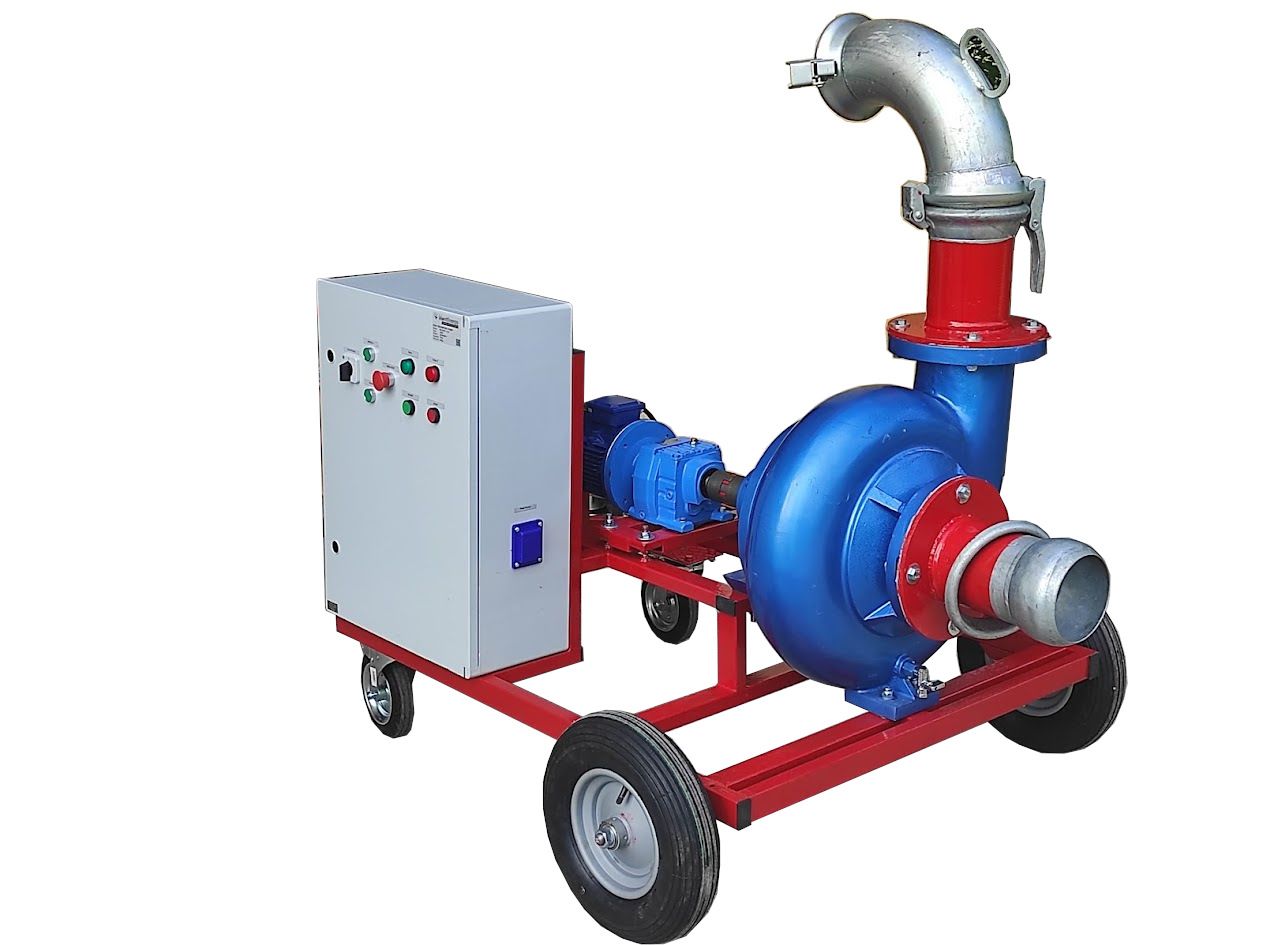
Fish transport air pump is essential for moving live fish safely over long distances in Kenya. Whether you are transporting tilapia, catfish, or fingerlings, using the right air pump ensures optimal oxygen levels, reduces stress, and prevents mortality.
This guide covers 5 proven tips for fish transport using air pumps, including DC and electromagnetic pumps, water management strategies, and handling techniques to reduce mortality. Whether you are moving tilapia, catfish, or fingerlings for sale, these methods will help you maintain high survival rates and healthy fish.
Why Air Pumps Are Essential for Fish Transport
Oxygen is critical for fish survival, especially during transportation. A fish transport air pump ensures:
-
Adequate oxygen supply during long trips
-
Reduced stress from low oxygen conditions
-
Continuous water circulation, preventing stagnation
-
Lower mortality rates and better post-transport recovery
Using quality pumps from trusted suppliers like Cougar Nets Aerator Pumps guarantees consistent performance, whether transporting a few hundred or several thousand fish.
1. Choose the Right Type of Air Pump
Not all pumps are suitable for live fish transport. The two main types are:
DC Air Pumps
-
Portable and battery-powered
-
Ideal for trucks or small containers
-
Can run for several hours without mains electricity
Electromagnetic Pumps
-
Provide consistent airflow and pressure
-
Suitable for large-scale transport
-
Durable for commercial aquaculture
Selecting the right fish transport air pump depends on pond size, fish species, and travel distance.
2. Proper Container Selection
Even with the best air pump, fish transport can fail if containers are unsuitable.
-
Plastic Tanks or Bags: Use thick, leak-proof plastic for smaller loads
-
Oxygenated Bags: For long-distance transport, fill bags with oxygen and a portion of pond water
-
Tank Size: Ensure enough space for the number of fish being transported
Combine containers with fish pond cover nets when handling fry or fingerlings to prevent escape and minimize stress.
3. Optimize Water Quality During Transport
Transport stress increases when water quality deteriorates. Monitor these parameters:
-
Oxygen Levels: Maintain with the fish transport air pump
-
Temperature: Keep stable using insulated containers or shade nets (shade nets)
-
pH and Ammonia: Avoid high concentrations of toxic compounds by pre-conditioning water
Using clean, pre-treated pond water from PVC tarpaulin-lined ponds can improve transport success.
4. Loading and Handling Fish Correctly
Stress during loading is a leading cause of mortality. Follow these tips:
-
Gradual Transfer: Avoid sudden movement; use nets (fish cage nets) to gently scoop fish
-
Density Management: Do not overcrowd containers
-
Acclimatization: Allow fish to adjust to transport water conditions before departure
-
Aeration: Turn on the fish transport air pump immediately after loading
Correct handling reduces stress, injuries, and post-transport losses.
5. Monitor and Maintain Pump Performance
A malfunctioning air pump can be disastrous. Ensure your fish transport air pump operates efficiently:
-
Check Battery Levels: For DC pumps, ensure full charge
-
Inspect Air Tubing and Diffusers: Prevent blockages
-
Clean and Maintain: Regularly clean to avoid mechanical failure
-
Backup Pump: Always carry a secondary pump for long trips
With proper monitoring, fish remain healthy and oxygenated throughout transport.
Additional Tips for Safe Fish Transport
-
Travel Time: Minimize duration to reduce stress
-
Post-Transport Recovery: Gradually acclimate fish to new pond or cage
-
Stress Reduction: Avoid sudden temperature or light changes
-
Record Keeping: Track pump performance and mortality rates for continuous improvement
Benefits of Using Air Pumps for Fish Transport
-
Higher Survival Rates: Fish arrive healthy and active
-
Better Growth: Reduced stress supports feed conversion and growth
-
Efficiency: DC and electromagnetic pumps allow for longer and more reliable transport
-
Professionalism: Enhances farm reputation for quality stock
Using a quality fish transport air pump ensures your aquaculture business operates efficiently.
Troubleshooting Common Problems
| Problem | Solution |
|---|---|
| Low oxygen during transit | Check pump function, increase airflow, reduce stocking density |
| Fish lethargy | Adjust temperature, ensure water is fresh and dechlorinated |
| Pump failure | Maintain equipment, carry backup, check battery/power supply |
| Water contamination | Pre-filter pond water, avoid overfeeding prior to transport |
These strategies prevent losses and keep fish healthy during transport.
Conclusion
Transporting fish safely requires careful planning, proper equipment, and attention to water quality. A fish transport air pump is the cornerstone of safe aquaculture transport, providing oxygen, circulation, and stress reduction. By combining high-quality pumps with proper containers, handling, and monitoring, Kenyan farmers can ensure higher survival rates and better post-transport growth.
Invest in reliable equipment from Cougar Nets, including aerator pumps, fish cage nets, and pond cover nets to optimize your fish transport operations.
Call to Action
Get Your Fish Transport Air Pumps Today!
Ensure safe, efficient, and stress-free transport for your fish with expert air pumps from Cougar Nets.
NATIONWIDE & EAST AFRICA DELIVERY AVAILABLE
-
Premium air pumps for all aquaculture transport needs
-
Expert guidance and professional installation
-
Bulk orders and custom solutions available
-
Serving Kenya (Nairobi, Mombasa, Kisumu), Uganda, Tanzania, Rwanda, and beyond
Contact Us for a Quote:
Cougar Nets
Email: sales@cougarnets.co.ke | info@cougarnets.co.ke
Phone: +254 706 903 465
Visit Us: Darosa Plaza, Karen Rd, Nairobi
Website: https://cougarnets.co.ke/