No products in the cart.
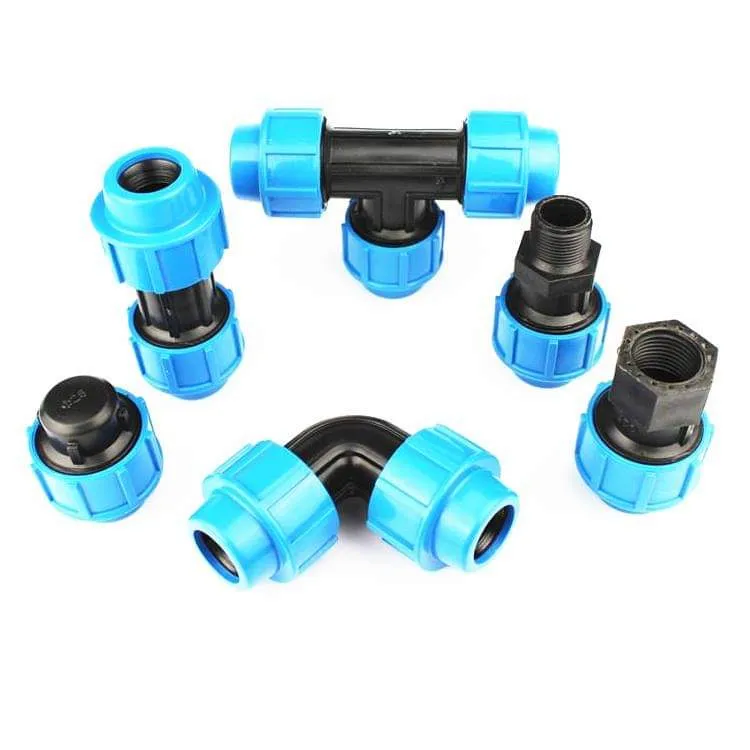
Introduction: Why Choosing the Right HDPE Pipe Fittings Kenya Matters
For irrigation systems, plumbing, and water supply projects across Kenya, selecting the correct HDPE pipe fittings Kenya is crucial. HDPE (High-Density Polyethylene) pipes are durable, lightweight, flexible, and resistant to corrosion.
However, many homeowners, farmers, and contractors make HDPE couplings mistakes, leading to leaks, bursts, system inefficiency, or unnecessary repair costs.
This guide outlines 7 common errors, how to avoid them, and best practices for irrigation pipe fittings Kenya and plumbing fittings Kenya, including a practical HDPE buying guide and maintenance advice for local conditions.
Internal Link: Learn more in our HDPE pipes and fittings Kenya guide for detailed product information.
Mistake 1: Buying the Wrong Size
A frequent error is purchasing HDPE pipe fittings that do not match your pipe diameter.
Why it’s a problem: Mismatched fittings can cause leaks, system failure, and water wastage.
Kenya scenarios: Farmers installing irrigation in Nakuru or Eldoret sometimes assume all pipes fit together, leading to improper joints.
How to avoid:
-
Measure the outer diameter (OD) and nominal diameter (ND) of your pipes.
-
Check the pressure rating for compatibility.
Example: A 63mm HDPE pipe requires a 63mm coupling. Using 50mm or 75mm fittings leads to joint failure under system pressure.
Internal Link: For sizing tips, see our HDPE pipe selection guide Kenya.
Mistake 2: Ignoring Material Quality
Not all HDPE pipe fittings are equal. Low-quality fittings can crack, degrade under UV exposure, or fail prematurely.
Why quality matters: Kenya’s hot climate, particularly in Mombasa and Kitui, exposes pipes to intense UV radiation. Poor-quality fittings may become brittle quickly.
What to look for:
-
Choose fittings from reputable suppliers with ISO, KS, or certified quality standards.
-
Request material specifications such as density, tensile strength, and UV stabilization.
Practical insight: Investing in high-quality irrigation pipe fittings Kenya may have higher upfront costs but reduces future repair expenses.
Internal Link: Check our list of certified HDPE fittings suppliers Kenya for reliable materials.
Mistake 3: Using Incompatible Couplings
HDPE couplings come in butt fusion, electrofusion, and mechanical compression types. Mixing incompatible types is a common and costly mistake.
Why it’s costly: Incorrect couplings can leak or fail under pressure.
How to avoid: Match the coupling type with your system requirements.
Example: Using mechanical compression on a pipe intended for electrofusion may compromise joint integrity.
Tip: For irrigation pipe fittings Kenya, use butt fusion or electrofusion for permanent joints; mechanical couplings are ideal for temporary repairs.
Internal Link: Read our HDPE couplings Kenya installation tips for detailed guidance.
Mistake 4: Poor Installation Technique
Even top-quality fittings fail if installed incorrectly. Improper alignment, preparation, or fusion leads to leaks and cracks.
Installation tips for Kenya:
-
Clean pipe ends thoroughly.
-
Align pipes correctly.
-
Use correct fusion temperature and allow cooling time.
-
Avoid excessive force when joining pipes.
DIY warning: Farmers or contractors in Nairobi or Kisumu attempting DIY HDPE installation should follow manufacturer guidelines or hire trained professionals.
Internal Link: Discover our DIY HDPE installation Kenya guide for step-by-step instructions.
Mistake 5: Overlooking Pressure Ratings
HDPE pipe fittings are rated for specific pressures. Using under-rated fittings in high-pressure systems causes leaks or bursts.
Pressure ratings to know: HDPE pipes are classified by PN (Pressure Number): PN10, PN16, PN20, indicating bars of pressure.
Tip: Always select fittings that match or exceed the system’s PN rating.
Example: High-pressure drip irrigation requires PN16 fittings. Using PN10 fittings risks joint failure during peak pressure.
Mistake 6: Ignoring Environmental Factors
Environmental exposure affects HDPE pipe longevity:
-
UV radiation: Sunlight can degrade low-quality fittings.
-
Temperature extremes: Heat can soften fittings; cold can make them brittle.
-
Soil conditions: Rocky or acidic soils may damage buried fittings.
Solution: Use UV-stabilized HDPE pipe fittings Kenya and protective sleeves when burying pipes.
Mistake 7: Neglecting Spare Parts & Maintenance
Many Kenyan farmers and contractors fail to purchase extra fittings or plan maintenance.
Why it matters: Breaks and leaks are inevitable. Without spare plastic pipe connectors Kenya, repairs can delay irrigation or plumbing projects.
Recommendation: Keep commonly used elbows, tees, and couplings in stock.
Maintenance tips: Inspect joints regularly, replace worn fittings, and avoid exceeding PN ratings.
Internal Link: See our HDPE pipe maintenance Kenya tips for longevity strategies.
HDPE Buying Guide for Kenya
When purchasing HDPE pipe fittings Kenya, follow this checklist:
-
Determine correct diameter and PN rating.
-
Choose certified materials.
-
Select appropriate coupling type (butt fusion, electrofusion, mechanical).
-
Verify UV resistance for outdoor use.
-
Buy extra fittings for emergencies.
-
Confirm supplier reputation and warranty.
-
Inspect all fittings before installation.
Internal Link: Learn more in our HDPE buying guide Kenya.
Practical Examples for Kenyan Projects
Irrigation Systems (Nakuru & Eldoret)
-
Scenario: Drip irrigation with PN16 HDPE pipes.
-
Mistake: Low-quality couplings.
-
Solution: Certified couplings with proper PN rating and UV protection ensure efficiency.
Plumbing Installations (Nairobi Residential & Commercial)
-
Scenario: Water supply lines with multiple joints.
-
Mistake: Wrong fusion method or size mismatch.
-
Solution: Proper alignment, certified fittings, and spare connectors prevent leaks.
Installation Best Practices:
-
Clean pipe ends before fusion.
-
Align pipes accurately.
-
Use correct fusion equipment and temperature.
-
Allow cooling time for joints.
-
Support buried pipes with gravel or sand.
-
Inspect and maintain joints regularly.
Maintenance Tips
-
Inspect all plumbing fittings Kenya and irrigation pipe fittings Kenya frequently.
-
Clean pipes and fittings to avoid buildup.
-
Replace worn plastic pipe connectors Kenya promptly.
-
Avoid exceeding pressure ratings.
-
Use protective sleeves for buried or exposed pipes.
Routine maintenance minimizes HDPE couplings mistakes and ensures optimal system performance.
Conclusion
Correctly choosing and installing HDPE pipe fittings Kenya prevents leaks, bursts, and costly repairs. Avoid these 7 common mistakes:
-
Wrong size
-
Poor-quality material
-
Incompatible couplings
-
Improper installation
-
Ignoring pressure ratings
-
Environmental neglect
-
Insufficient spares
By following this HDPE buying guide, using certified materials, and practicing proper installation and maintenance, farmers, contractors, and homeowners across Kenya can enjoy reliable irrigation and plumbing systems. Investing upfront saves money, reduces downtime, and ensures long-term performance.
Internal Links Recap:
Get Your Premium Netting Solutions Today!
For the best quality netting solutions for farming, construction, home, or any other project, look no further than Cougar Nets. Our team of experts is ready to help you choose the perfect product for your needs.
NATIONWIDE & EAST AFRICA DELIVERY AVAILABLE
- Premium quality nets for all applications
- Professional installation and expert advice
- Bulk orders and custom solutions available
- Serving South Sudan, Tanzania, Rwanda and beyond.
Contact Us for a Quote:
Cougar Nets
Email: sales@mft.co.ke | info@cougarnets.co.ke
Phone: +254 706 903 465
Visit Us: Darosa Plaza, Karen Rd, Nairobi
Website: https://cougarnets.co.ke/