No products in the cart.
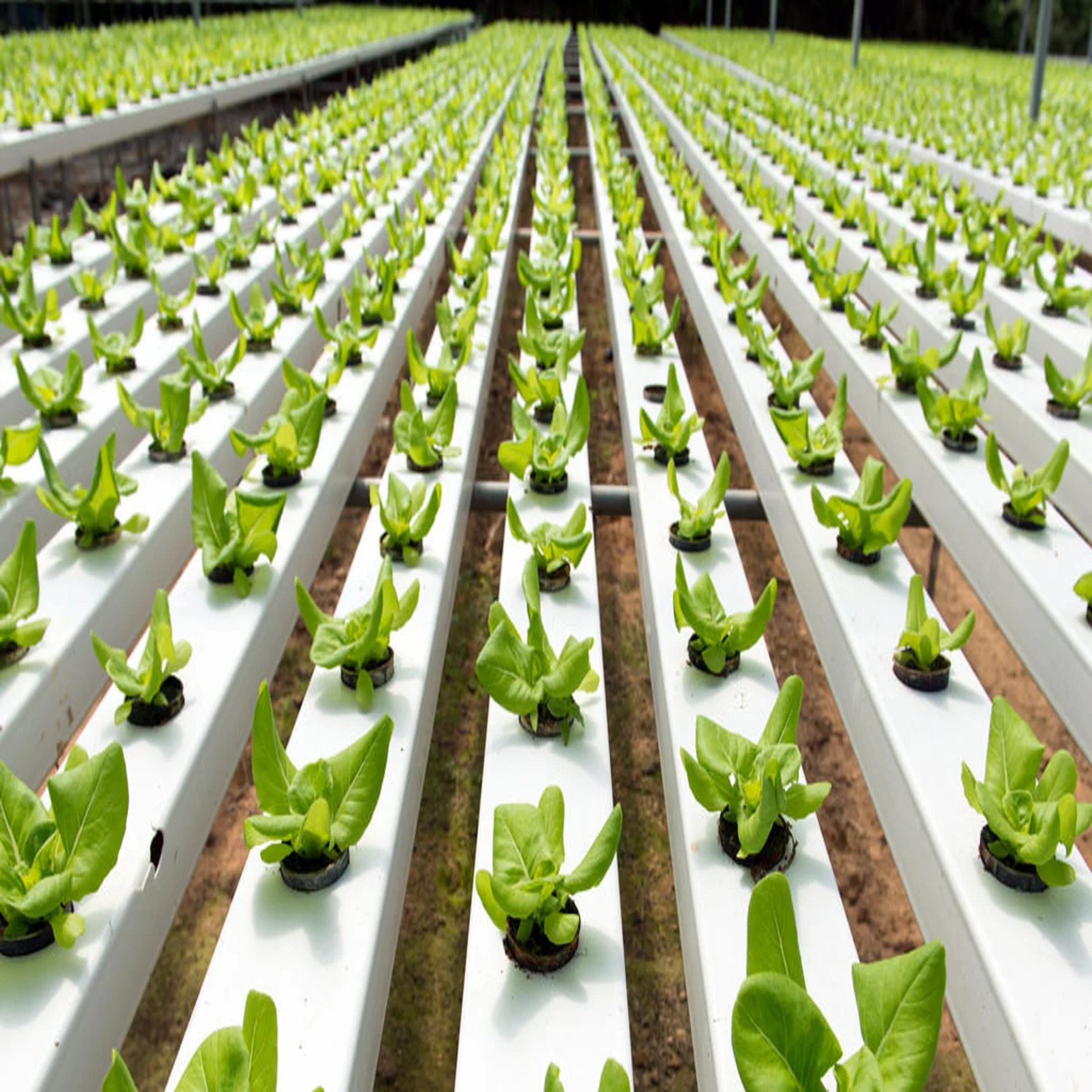
Hydroponics Kenya: A Complete Beginner’s Guide to Modern Farming
Hydroponics Kenya is transforming the agricultural landscape by offering a soil-free, water-efficient method of growing crops. Unlike traditional farming, hydroponics allows farmers in Kenya to grow vegetables, herbs, and fruits using nutrient-rich water solutions, maximizing yield per square meter and reducing reliance on arable land.
With urbanization and increasing demand for fresh, high-quality produce in cities like Nairobi, Kisumu, and Eldoret, hydroponics Kenya has emerged as a profitable and sustainable farming method. This guide covers everything from essential equipment, types of hydroponic systems, costs, and setup tips to FAQs and trusted suppliers in Kenya.
Why Hydroponics Farming is Gaining Popularity in Kenya
Hydroponics Kenya is gaining traction due to several key advantages:
- Water Efficiency: Hydroponics systems use up to 90% less water compared to soil farming.
- Space Optimization: Urban farmers can grow crops vertically or in containers, perfect for Kenya’s space-limited areas.
- Faster Crop Growth: Nutrient-rich water allows plants to grow up to 50% faster.
- Year-Round Production: Controlled environments enable farmers to produce vegetables all year.
- Reduced Pesticide Use: Soil-borne diseases are eliminated, leading to cleaner, healthier crops.
- High Profit Potential: Leafy greens, herbs, and fruiting crops grown with hydroponics Kenya can command premium market prices.
Urban and peri-urban farmers in Kenya are increasingly adopting hydroponics Kenya to supply hotels, supermarkets, and direct-to-consumer markets efficiently.
Common Hydroponic Systems Used in Kenya
Choosing the right system is crucial for hydroponics Kenya success. Below are the most popular setups:
1. Nutrient Film Technique (NFT)
- How it Works: A thin layer of nutrient solution flows continuously over plant roots.
- Best For: Leafy vegetables like lettuce, kale, and spinach.
- Pros: Efficient nutrient use and minimal water.
- Cons: Requires constant monitoring to prevent root drying.
2. Deep Water Culture (DWC)
- How it Works: Plants float on nutrient-rich water, oxygenated with air pumps.
- Best For: Lettuce, herbs, and smaller fruiting crops.
- Pros: Simple maintenance and fast growth.
- Cons: Not suitable for heavy fruiting crops.
3. Drip Irrigation Hydroponics
- How it Works: Nutrient solution is delivered directly to each plant through drip emitters.
- Best For: Tomatoes, peppers, strawberries.
- Pros: Precise nutrient delivery; scalable.
- Cons: Emitters can clog; filtration is necessary.
4. Vertical Hydroponics
- How it Works: Plants grow in stacked layers using NFT, DWC, or drip systems.
- Best For: Urban farms with limited ground space.
- Pros: Maximizes vertical space and yield per square meter.
- Cons: Higher initial setup cost.
Essential Hydroponics Kenya Equipment
Starting hydroponics Kenya requires specific tools and materials to ensure optimal growth and productivity.
1. Grow Trays and Channels
| Equipment | Price Range (KES) | Notes |
|---|---|---|
| NFT Channels | 2,500 – 8,000 | Ideal for leafy greens in hydroponics Kenya |
| DWC Grow Trays | 5,000 – 15,000 | Floating rafts for small crops |
| Vertical Towers | 15,000 – 50,000 | Space-saving, stackable vertical farming |
2. Nutrient Solutions & pH Management
Balanced nutrients and pH monitoring are vital for hydroponics Kenya success.
| Equipment | Price Range (KES) | Notes |
|---|---|---|
| Hydroponic Nutrients | 2,000 – 10,000 | Depends on crop type and volume |
| pH Meter / EC Meter | 2,500 – 7,000 | Monitors water quality for optimal plant growth |
3. Pumps & Aeration Equipment
Circulation and oxygenation are critical for hydroponics Kenya.
| Equipment | Price Range (KES) | Notes |
|---|---|---|
| Submersible Pump | 3,000 – 10,000 | Essential for NFT and drip systems |
| Air Pump & Air Stones | 2,500 – 8,000 | Required for DWC systems to oxygenate roots |
4. Lighting & Climate Control
Indoor hydroponics Kenya farms rely on proper lighting and ventilation.
| Equipment | Price Range (KES) | Notes |
|---|---|---|
| LED Grow Lights | 10,000 – 50,000 | Provides optimal spectrum for photosynthesis |
| Fans & Ventilation | 5,000 – 20,000 | Maintains airflow and reduces mold risk |
Setting Up a Hydroponics Kenya Farm
- Select Your System: NFT, DWC, drip, or vertical.
- Choose Crops: Lettuce, kale, herbs, strawberries, and tomatoes are popular in Kenya.
- Prepare the Site: Ensure clean, shaded, and ventilated space with water access.
- Install Equipment: Set up grow trays, pumps, nutrient tanks, and lighting.
- Mix Nutrients: Maintain proper pH and EC levels for optimal growth.
- Plant & Monitor: Inspect daily for plant health, water levels, and nutrient concentrations.
- Harvest: Leafy vegetables take 3–5 weeks; fruiting crops take 6–10 weeks.
Cost of Hydroponics Kenya Farming
| Item | Price Range (KES) | Notes |
|---|---|---|
| NFT Channels / DWC Trays | 2,500 – 15,000 | Depends on size and material |
| Nutrient Solutions | 2,000 – 10,000 | Monthly cost varies by crop volume |
| Pumps & Aeration Equipment | 3,000 – 10,000 | For water and oxygen circulation |
| LED Lighting | 10,000 – 50,000 | Indoor or greenhouse setups |
| Total Initial Setup | 50,000 – 200,000 | Small to medium-scale farm |
Tips for Successful Hydroponics Kenya
- Start Small: Learn the system on a manageable scale.
- Monitor Daily: Check pH, EC, and plant health.
- Use High-Quality Nutrients: Avoid cheap fertilizers that can damage crops.
- Maintain Cleanliness: Prevent algae and contamination in nutrient solutions.
- Choose Suitable Crops: Leafy greens grow faster; fruiting crops require more care.
- Keep Records: Track growth cycles, nutrient schedules, and yields for efficiency.
Frequently Asked Questions (FAQs)
1. Is hydroponics Kenya profitable?
Yes, especially for leafy vegetables and herbs sold in urban markets, hotels, and restaurants.
2. How much space is required for hydroponics Kenya?
Hydroponics can maximize small spaces using vertical systems; a few square meters can yield significant crops.
3. Can tap water be used for hydroponics Kenya?
Yes, but it should be filtered and monitored for pH and EC levels.
4. How often should nutrients be checked?
Daily checks are recommended, especially for pH and electrical conductivity.
5. Where can I buy hydroponics Kenya equipment?
Suppliers like Cougar Nets offer trays, pumps, nutrient solutions, and accessories with nationwide delivery.
Where to Buy Hydroponics Kenya Equipment & Delivery Options
You can purchase hydroponics Kenya equipment from trusted suppliers like Cougar Nets, offering high-quality grow trays, nutrient solutions, pumps, and climate control equipment.
Delivery & Services:
- Nationwide delivery across Kenya: Nairobi, Eldoret, Kisumu
- East Africa coverage: Uganda, Tanzania, Rwanda, South Sudan, Ethiopia
- Professional setup guidance for efficient hydroponics Kenya farming
- Bulk orders and custom solutions for commercial hydroponic farms
- Email: sales@cougarnets.co.ke | info@cougarnets.co.ke
- Phone: +254 706 903 465
- Visit Us: Darosa Plaza, Karen Rd, Nairobi
- Website: https://cougarnets.co.ke/
Purchasing from a trusted supplier ensures access to reliable hydroponics Kenya equipment, expert guidance, and nationwide delivery.
Get Your Premium Netting Solutions Today!
For the best quality netting solutions for farming, construction, home, or any other project, look no further than Cougar Nets. Our team of experts is ready to help you choose the perfect product for your needs.
NATIONWIDE & EAST AFRICA DELIVERY AVAILABLE
- Premium quality nets for all applications
- Professional installation and expert advice
- Bulk orders and custom solutions available
- Serving Rwanda, Ethiopia, Uganda and beyond.
Contact Us for a Quote:
Cougar Nets
Email: sales@mft.co.ke | info@cougarnets.co.ke
Phone: +254 706 903 465
Visit Us: Darosa Plaza, Karen Rd, Nairobi
Website: https://cougarnets.co.ke/