No products in the cart.
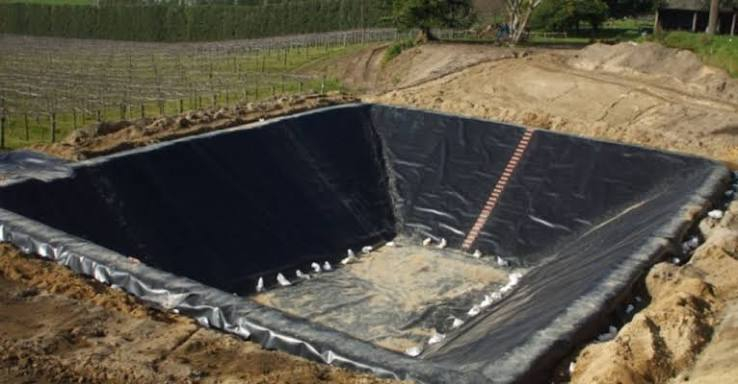
A properly installed dam liner can provide years of reliable water storage for farms, irrigation systems, fish ponds, and agricultural projects. However, one of the most important stages of installation is often overlooked: joining dam liner sheets correctly.
Many pond failures do not happen because the liner material itself is poor. Instead, problems often occur at the points where separate liner sheets are connected.
Poorly joined sheets can lead to:
- Water leaks
- Loss of stored water
- Soil erosion around the pond
- Expensive repairs
- Reduced pond performance
Before water is introduced into a lined dam or pond, farmers and contractors should confirm that the liner joints have been properly prepared, joined, and tested.
At Cougar Nets, farmers and businesses can access quality agricultural and water management solutions, including products designed for farming, aquaculture, and water storage applications.
Explore agricultural and aquaculture solutions here:
https://cougarnets.co.ke/agricultural-nets-and-aquaculture-equipment/
Why Joining Dam Liner Sheets Matters
Dam liners are often supplied in large rolls. Depending on the size of the dam or pond, a single sheet may not cover the entire area.
This means multiple liner sections must be connected together to create one continuous waterproof barrier.
The joining process determines whether the liner will:
- Hold water effectively
- Resist pressure from stored water
- Handle environmental changes
- Maintain long-term durability
A weak joint creates a vulnerable point where water can escape.
Even a small failure in a liner seam can result in significant water loss over time.
Common Reasons Dam Liner Joints Fail
Understanding why joints fail helps farmers know what quality standards to expect during installation.
Poor Surface Preparation
Before joining liner sheets, the surfaces must be clean and properly prepared.
Problems can occur when installers work with:
- Dusty surfaces
- Wet materials
- Dirty liner edges
- Contaminated joining areas
Poor preparation reduces the strength of the connection.
Incorrect Joining Method
Different liner materials require suitable joining techniques.
Using the wrong method can create weak points that fail under pressure.
The joining process should match:
- Liner material
- Thickness
- Installation environment
- Expected water pressure
Insufficient Overlap
Where liner sheets are overlapped, the overlap width must be adequate.
A small overlap may appear secure during installation but can separate over time due to:
- Water pressure
- Temperature changes
- Ground movement
Lack of Testing
A completed liner should be inspected before filling the pond.
Skipping testing can allow hidden problems to remain unnoticed until after water is added.
Methods Used for Joining Dam Liner Sheets
There are several methods used when connecting liner sheets, depending on the liner type and project requirements.
1. Heat Welding
Heat welding is one of the most reliable methods for joining compatible plastic liners.
The process uses controlled heat to fuse two liner surfaces together, creating a strong waterproof seam.
Benefits of heat welding include:
- Strong permanent joints
- Reduced leak risk
- Professional finish
- Improved durability
For large agricultural dams and commercial ponds, welded seams are often preferred because they provide a more secure connection than simple overlaps.
2. Overlapping Liner Sheets
In some applications, liner sheets may be installed using overlapping sections.
The overlap creates a barrier where one sheet covers another.
However, the success of this method depends on:
- Correct overlap width
- Proper positioning
- Secure installation
- Material compatibility
Poorly planned overlaps can create weak areas where water can move between sheets.
3. Mechanical Fixing
Some installations may use additional fixing methods depending on the design.
These may include:
- Clamping systems
- Anchor trenches
- Special joining accessories
The correct approach depends on the pond design and liner specifications.
What Overlap Width Should Be Used?
The correct overlap width depends on factors such as:
- Liner material
- Thickness
- Installation method
- Water depth
- Site conditions
A larger overlap generally provides a greater safety margin.
However, simply increasing overlap does not replace proper joining techniques.
The most important factors are:
- Clean surfaces
- Correct alignment
- Suitable joining method
- Proper testing
Why Professional Joining Matters
A dam liner is a long-term investment.
Poor joining can create problems after the pond has already been filled, when repairs become more difficult and expensive.
Professional installation helps ensure:
- Reliable waterproofing
- Better durability
- Reduced maintenance
- Longer liner lifespan
For farmers investing in water storage systems, getting the joining process right from the beginning protects both the liner and the stored water.
Before Installing a Dam Liner: Important Checks
Before joining liner sheets, inspect the site and materials carefully.
Important considerations include:
Ground Preparation
The pond surface should be prepared properly before liner installation.
Remove:
- Sharp stones
- Roots
- Objects that may damage the liner
A smooth base reduces the risk of punctures.
Correct Liner Selection
The liner should match the intended application.
Consider:
- Pond size
- Water depth
- Expected lifespan
- Environmental exposure
Cougar Nets provides agricultural solutions suitable for different farming needs.
Explore more products:
Proper Installation Conditions
Joining should be done under suitable conditions.
Factors such as:
- Rain
- Dust
- Strong winds
- Extreme temperatures
can affect the quality of the joint.
What to Demand Before Water Goes In
Before filling a lined dam, farmers should insist on:
- Properly joined liner sheets
- Clean and secure seams
- Correct overlap or weld method
- Complete inspection
- Leak testing
-
Joining Dam Liner Sheets: What to Insist On Before the Water Goes In – Part 2
Testing Dam Liner Joints Before Filling the Pond
One of the most important steps after joining dam liner sheets is testing the completed seams before water enters the pond.
A liner may look perfect during installation, but small weaknesses in the joints can cause leaks once the dam is filled and water pressure increases.
Testing helps identify problems early, when repairs are easier and less expensive.
Before water goes in, inspect:
- Welded seams
- Overlap sections
- Corners
- Edges
- Anchoring areas
- High-stress points
A proper inspection provides confidence that the liner system is ready for operation.
The Air Test for Welded Liner Seams
For professionally welded dam liners, an air pressure test is one of the most reliable methods of checking seam quality.
The test helps confirm whether welded sections are properly sealed.
During an air test:
- A sealed channel within the welded seam is pressurised.
- Pressure is monitored for a set period.
- Any pressure loss may indicate a weak section.
A successful test shows that the seam has a continuous seal.
This type of testing is especially valuable for:
- Large farm dams
- Commercial ponds
- Aquaculture projects
- Long-term water storage systems
Visual Inspection of Liner Joints
Not every inspection requires specialised equipment.
A detailed visual check can identify many common problems.
Look for:
- Uneven welds
- Open edges
- Wrinkles around joints
- Poor alignment
- Damaged sections
- Contamination between sheets
A good liner installation should appear neat, secure, and consistent across all joined areas.
Water Testing Before Full Operation
After the joints have been inspected, a controlled filling process can help confirm performance.
During initial filling:
- Monitor water levels
- Check surrounding areas
- Look for unexpected moisture movement
- Inspect liner edges and seams
Early detection allows problems to be corrected before the system is fully operational.
Common Mistakes When Joining Dam Liner Sheets
Many liner problems result from avoidable installation mistakes.
1. Using Untrained Installers
Dam liner joining requires knowledge of:
- Material behaviour
- Welding techniques
- Installation procedures
- Testing requirements
Incorrect joining can compromise the entire water storage system.
2. Joining Dirty or Wet Sheets
The joining area must be properly prepared.
Dust, moisture, and debris can prevent strong bonding between liner sheets.
3. Ignoring Temperature Conditions
Extreme weather conditions can affect installation quality.
Very hot, cold, or wet conditions may influence:
- Welding performance
- Material handling
- Seam strength
4. Filling the Dam Without Testing
Adding water before checking the joints creates unnecessary risk.
If a problem is discovered later, repairs become more difficult because the liner is already under water pressure.
Choosing the Right joining dam liner sheets
When planning a lined dam, selecting the correct liner material is just as important as the joining process.
Consider:
Liner Thickness
Thicker liners generally provide greater resistance against:
- Punctures
- Ground movement
- Heavy use
The correct thickness depends on:
- Pond size
- Water depth
- Installation conditions
- Expected lifespan
Material Quality
A quality liner should provide:
- Waterproof performance
- UV resistance
- Flexibility
- Long outdoor durability
Site Conditions
The environment affects liner performance.
Consider:
- Soil type
- Ground preparation
- Sun exposure
- Water usage
- Maintenance requirements
Applications of Dam Liners
Joined dam liners are used for many agricultural and commercial purposes.
Common applications include:
Farm Water Storage
Farmers use lined dams to store water for:
- Irrigation
- Livestock
- Dry season supply
- General farm operations
Fish Farming
Aquaculture projects require reliable water containment.
A properly installed liner helps maintain:
- Stable water levels
- Reduced seepage
- Better pond management
Farmers can explore additional aquaculture and agricultural solutions from Cougar Nets:
https://cougarnets.co.ke/agricultural-nets-and-aquaculture-equipment/
Rainwater Harvesting
Lined reservoirs help capture and store rainwater for later use.
Industrial Water Storage
Businesses use lined ponds and reservoirs where reliable water containment is required.
Why Choose Cougar Nets in joining dam liner sheets?
Selecting the right supplier helps ensure you receive dependable products and expert support for your project.
Cougar Nets provides quality agricultural and water management solutions designed for Kenyan conditions.
Customers choose Cougar Nets because of:
- Durable agricultural products
- Reliable solutions for farming applications
- Quality-focused service
- Competitive pricing
- Expert guidance
- Support for different project requirements
Whether you are developing a farm reservoir, fish pond, or agricultural water storage system, Cougar Nets provides solutions to support your project.
Explore the Cougar Nets range:
Frequently Asked Questions
What is the best method for joining dam liner sheets?
The best method depends on the liner material and project requirements. For compatible plastic liners, professional heat welding is commonly used because it creates strong waterproof seams.
How much overlap is needed when joining dam liner sheets?
Overlap requirements depend on the liner material, thickness, and installation method. The correct specification should be determined according to the liner and project conditions.
How do I know if my dam liner joint is leaking?
Signs of a leaking joint may include unexpected water loss, wet areas around the dam, or visible separation at the seam. Testing before filling helps identify problems early.
Why should dam liner seams be tested before adding water?
Testing confirms that joints are properly sealed before water pressure is applied. It helps prevent costly repairs after the dam is filled.
Can damaged dam liner joints be repaired?
Yes. Depending on the damage and liner material, repairs may be possible using suitable joining or patching methods.
Where can I buy quality dam liners and agricultural products in Kenya?
You can contact Cougar Nets for agricultural and water management solutions.
Visit:
Cougar Nets Website:
https://cougarnets.co.ke/Agricultural Nets & Aquaculture Equipment:
https://cougarnets.co.ke/agricultural-nets-and-aquaculture-equipment/Shop Online:
https://cougarnets.co.ke/shop/Contact Us:
https://cougarnets.co.ke/contact-us/Conclusion
Correctly joining dam liner sheets is one of the most important steps in creating a reliable water storage system.
A quality liner can only perform properly when the joints are:
- Correctly prepared
- Properly joined
- Carefully inspected
- Tested before filling
Farmers and businesses should never rush the final checks before water enters the dam. A small problem in a liner seam can result in significant water loss and expensive repairs.
By choosing quality materials, using the correct joining method, and carrying out proper testing, you can create a durable lined dam that provides reliable water storage for years.
Cougar Nets supplies dependable agricultural solutions designed to support farmers, aquaculture projects, and businesses across Kenya.
Contact Cougar Nets
Looking for reliable dam liner solutions and agricultural products?
Cougar Nets provides quality products and expert support for farming, aquaculture, and water management projects.
Website:
https://cougarnets.co.ke/Agricultural Nets & Aquaculture Equipment:
https://cougarnets.co.ke/agricultural-nets-and-aquaculture-equipment/Shop Online:
https://cougarnets.co.ke/shop/Contact Us:
https://cougarnets.co.ke/contact-us/Phone:
+254 706 903 465Email:
sales@cougarnets.co.keLocation:
Darosa Plaza, Karen Road, Nairobi, Kenya
Get Your Premium Netting Solutions Today!
For the best quality netting solutions for farming, construction, home, or any other project, look no further than Cougar Nets. Our team of experts is ready to help you choose the perfect product for your needs.
NATIONWIDE & EAST AFRICA DELIVERY AVAILABLE
- Premium quality nets for all applications
- Professional installation and expert advice
- Bulk orders and custom solutions available
- Serving Uganda, Kenya (Nairobi, Eldoret, Kisumu), Tanzania and beyond.
Contact Us for a Quote:
Cougar Nets
Email: sales@mft.co.ke | info@cougarnets.co.ke
Phone: +254 706 903 465
Visit Us: Darosa Plaza, Karen Rd, Nairobi
Website: https://cougarnets.co.ke/