No products in the cart.
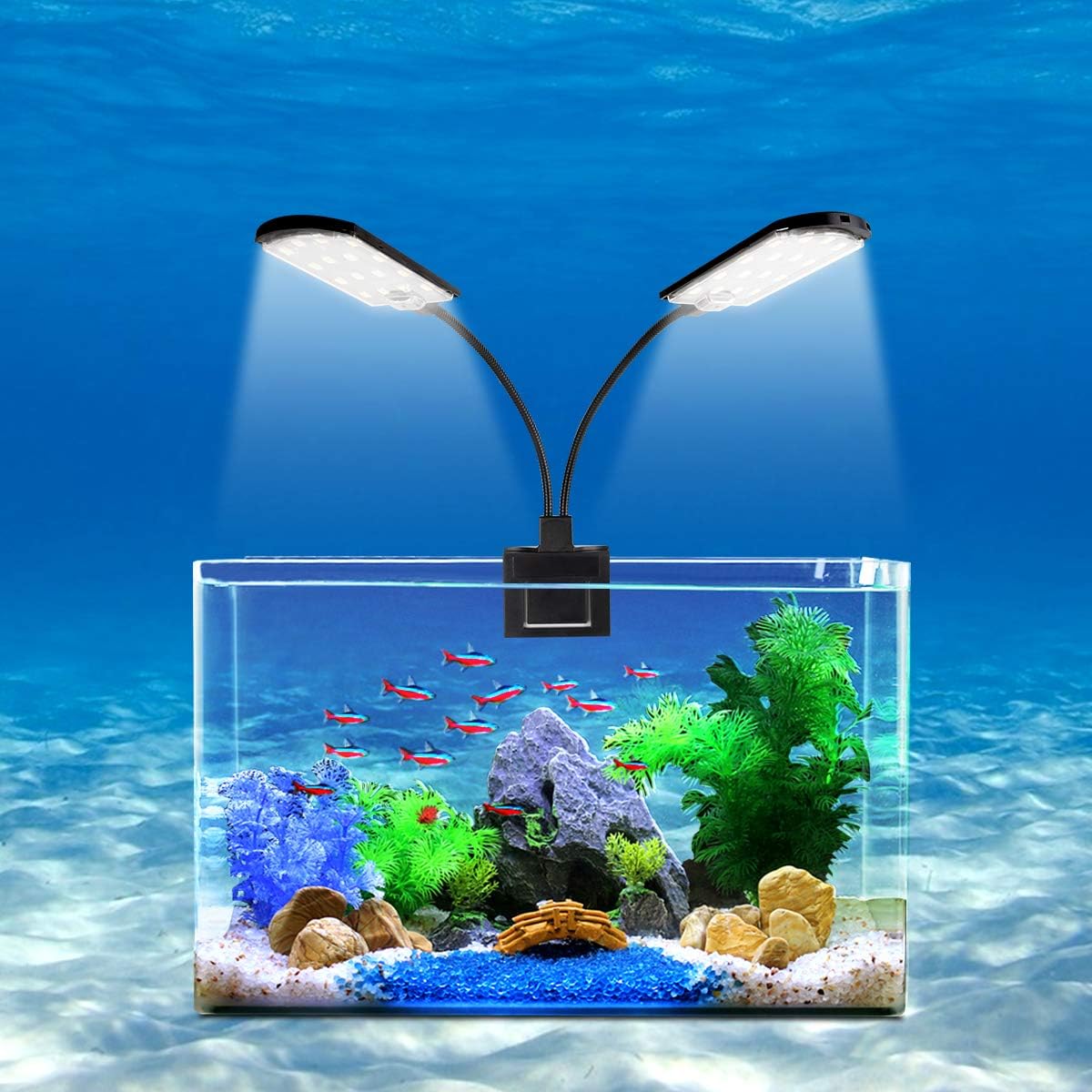
LED Aquarium Lights: Transforming Fish Tanks with Energy Efficiency
Introduction: Why LED Aquarium Lights Matter
Aquariums are more than just decorative features; they are miniature ecosystems that require the right balance of light, oxygen, and filtration to thrive. Among these, lighting plays a central role in ensuring the health of fish, plants, and corals. For years, aquarists relied on fluorescent or halogen bulbs, but the rise of LED aquarium lights has completely transformed fishkeeping. Today, LEDs are not just about aesthetics—they are about energy efficiency, sustainability, and long-term cost savings.
In Kenya and across East Africa, where energy costs are high and sustainability is becoming a priority, LED aquarium lights are proving to be the smart choice for both home aquarium owners and large-scale aquaculture businesses. This article explores their benefits, applications, and why investing in LED technology is the future of fish tank management.
What Are LED Aquarium Lights?
LED aquarium lights are specialized light-emitting diode (LED) fixtures designed to replicate natural sunlight and create optimal conditions for aquatic life. Unlike traditional bulbs, they provide targeted wavelengths of light that encourage plant growth, coral development, and healthy fish behavior.
Key features of LED aquarium lights include:
-
Full-spectrum lighting: Mimicking natural daylight for photosynthesis.
-
Energy efficiency: Consuming up to 70% less energy than fluorescent alternatives.
-
Customizability: Adjustable brightness and color modes.
-
Durability: Longer lifespan, reducing replacement frequency.
Advantages of LED Aquarium Lights
1. Energy Efficiency & Cost Savings
One of the most significant benefits of LED technology is reduced energy consumption. In comparison to fluorescent bulbs, LEDs consume far less electricity, making them ideal for Kenyan homeowners and fish farmers seeking to cut utility costs.
For aquaculture farms that run large tanks, switching to LED lighting can translate to thousands of shillings in annual savings. This efficiency is comparable to using an aerator pump for ponds—another energy-conscious choice that improves aquatic systems.
2. Promoting Fish and Plant Health
Light influences everything in an aquarium, from plant photosynthesis to fish activity levels. LEDs offer customizable spectrum control, which is especially useful in planted aquariums. Blue and white spectrums promote coral growth in saltwater tanks, while red and green spectrums encourage lush plant growth in freshwater tanks.
When combined with proper oxygenation tools such as fish cage net material that keeps fish enclosures stable, LEDs contribute to a healthier, more balanced environment.
3. Long Lifespan and Durability
Traditional bulbs often need replacing every 6–12 months. In contrast, quality LED fixtures can last for 5–10 years. This longevity reduces waste, lowers replacement costs, and ensures consistent light output. For Kenyan aquarists, this is a practical investment.
4. Customization and Aesthetic Appeal
LEDs are programmable, allowing aquarists to simulate natural lighting cycles—dawn, daylight, dusk, and moonlight. This not only improves fish well-being but also enhances the visual appeal of the aquarium. Imagine a tank that glows under deep blue moonlight while showcasing shimmering fish—an unmatched experience for aquarium enthusiasts.
5. Eco-Friendly Technology
Kenya and East Africa are shifting toward sustainable technologies. LED lights are mercury-free, produce less heat, and reduce overall carbon footprint, aligning with eco-conscious lifestyles.
Applications of LED Aquarium Lights in Kenya
1. Home Aquariums
For urban homeowners in Nairobi, Mombasa, and Kisumu, LED lights turn simple fish tanks into stunning interior features. Whether it’s a small betta tank or a large community aquarium, LEDs make aquariums both energy-efficient and visually captivating.
2. Commercial Aquaculture Farms
Large-scale fish farms in counties like Kisii, Kakamega, and Nyeri are increasingly adopting LED lighting to support fish growth cycles. Combined with fish pond cover nets, which protect ponds from debris and predators, LED lights help maintain healthier environments and improve yields.
3. Public Aquariums and Educational Institutions
Zoos, marine centers, and schools use LED lighting to display aquatic life while reducing operational costs. LEDs also allow students and researchers to study fish behavior under different lighting conditions.
4. Restaurants and Hotels
Hospitality businesses in Kenya are embracing aquariums as decorative focal points. Energy-efficient LEDs not only reduce operating costs but also create mesmerizing ambiances for guests.
5. Integration with Other Aquatic Systems
LED aquarium lights are often used alongside other aquaculture products. For example:
-
PVC tarpaulin for pond lining.
-
Braided rope for fish cage setups.
-
Diesel water pump to circulate water in fish farms.
By integrating lighting with these solutions, aquaculture operators optimize production and sustainability.
LED Aquarium Lights vs. Traditional Lighting
| Feature | LED Aquarium Lights | Fluorescent Bulbs | Halogen Bulbs |
|---|---|---|---|
| Energy Efficiency | High (saves 60–70% power) | Moderate | Low |
| Lifespan | 5–10 years | 6–12 months | 6 months |
| Heat Production | Very Low | Moderate | High |
| Spectrum Control | Full spectrum, programmable | Limited | Very limited |
| Cost-Effectiveness | High (long-term savings) | Medium | Low |
This comparison clearly shows why LEDs are the superior choice for both small-scale hobbyists and professional fish farmers in Kenya.
Factors to Consider When Buying LED Aquarium Lights
-
Tank Size & Depth – Larger and deeper tanks need stronger lighting output.
-
Aquarium Type – Freshwater, saltwater, or reef tanks each require different light spectrums.
-
Adjustability – Look for dimmable or programmable lights.
-
Brand Quality – Always buy from reliable suppliers like Cougar Nets, known for delivering premium aquaculture and farming solutions.
-
Budget & Longevity – While LEDs cost more upfront, they save money in the long run.
Maintenance Tips for LED Aquarium Lights
-
Clean lenses regularly to prevent algae buildup.
-
Check timers and settings to ensure consistent lighting schedules.
-
Avoid water splashes on electrical components.
-
Pair lights with nets like insect nets to reduce external contamination in aquaculture setups.
Why Choose Cougar Nets for Your Aquarium & Aquaculture Solutions
Cougar Nets is more than a netting supplier—it’s a trusted partner for farmers, aquarists, and businesses across East Africa. With a wide range of aquaculture solutions including aerator pumps, fish cage nets, and pond cover nets, Cougar Nets ensures that your aquarium or farm runs efficiently.
When you buy from Cougar Nets, you benefit from:
-
High-quality, durable products.
-
Expert guidance and after-sales support.
-
Nationwide delivery and regional shipping across East Africa.
Conclusion
LED aquarium lights are not just a trend—they are a revolution in fish tank management. From saving energy to promoting healthier aquatic life, LEDs are transforming both home aquariums and commercial fish farms in Kenya. By integrating LED lighting with other aquaculture solutions from Cougar Nets, you ensure sustainability, cost savings, and unmatched beauty in your aquatic setups.
Call to Action
Get Your Premium Netting Solutions Today!
For the best quality netting solutions for farming, construction, home, or any other project, look no further than Cougar Nets. Our team of experts is ready to help you choose the perfect product for your needs.
NATIONWIDE & EAST AFRICA DELIVERY AVAILABLE
✔ Premium quality nets for all applications
✔ Professional installation & expert advice
✔ Bulk orders & custom solutions available
✔ Serving Kenya (Nairobi, Mombasa, Kisumu), Uganda, Tanzania, Rwanda & beyond.
📞 Contact Us for a Quote:
Cougar Nets
📧 Email: sales@cougarnets.com | info@cougarnets.com
📞 Phone: +254 706 903 465
📍 Visit Us: Darosa Plaza, Karen Rd, Nairobi
🌐 Website: https://cougarnets.co.ke/