No products in the cart.
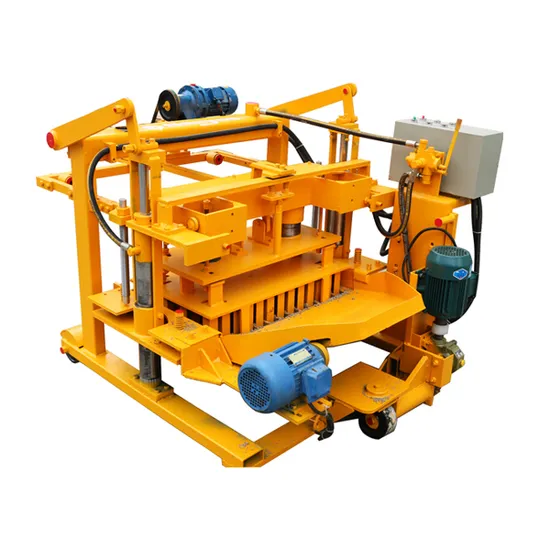
Manual Brick Machine vs Concrete Mixer When starting a construction project in Kenya, choosing the right equipment is critical—especially for low-cost building initiatives. Two essential tools often considered are manual brick machines and concrete mixers. Understanding their uses, advantages, and limitations helps contractors, builders, and startups make cost-effective decisions.
What Is a Manual Brick Machine?
A manual brick machine is a hand-operated device used to produce high-quality bricks from soil, sand, and cement. It is widely used for small-scale construction projects and low-budget housing initiatives.
Advantages of a Manual Brick Machine
-
Low initial investment and operational cost
-
No electricity required; ideal for remote areas
-
Produces uniform and durable bricks
-
Easy to maintain and transport
Limitations
-
Slower production compared to mechanized machines
-
Labor-intensive
-
Limited for large-scale projects
What Is a Concrete Mixer?
A concrete mixer is a machine that combines cement, sand, aggregate, and water to create uniform concrete. Mixers are essential for any construction project that requires concrete in bulk.
Advantages of a Manual Brick Machine vs Concrete Mixer
-
Faster and consistent mixing of concrete
-
Reduces labor and time costs
-
Suitable for medium to large-scale construction
-
Available in various capacities and prices in Kenya
Limitations
-
Requires electricity or fuel
-
Higher initial cost compared to manual brick machines
-
Not suitable for brick-only projects without modification
Brick Machine vs Concrete Mixer: Which Should You Choose?
| Feature | Manual Brick Machine | Concrete Mixer |
|---|---|---|
| Primary Use | Brick production | Concrete mixing |
| Scale | Small/low-cost projects | Medium to large projects |
| Speed | Slower | Faster |
| Cost | Low | Moderate to high |
| Labor Intensity | High | Low |
| Portability | Easy | Moderate |
Considerations for Low-Cost Construction in Kenya
-
Project Type – Are you building walls (bricks) or foundations/slabs (concrete)?
-
Budget – Manual brick machines require less capital; mixers are costlier but save time.
-
Labor Availability – Manual machines need more hands, while mixers reduce labor.
-
Location – Remote sites may benefit from manual machines due to no power requirements.
-
Production Goals – High-volume projects favor concrete mixers for efficiency.
Tips for Efficient Use of Manual Brick Machine vs Concrete Mixer
-
For manual brick machines, ensure raw materials are well-mixed before molding.
-
Clean mixers regularly to prevent hardened concrete build-up.
-
Use quality cement and aggregates to produce durable bricks and concrete.
-
Plan production schedules to optimize labor and machine usage.
Conclusion
For low-cost construction projects in Kenya, both manual brick machines and concrete mixers have their place. Manual brick machines are perfect for small-scale, labor-driven projects, while concrete mixers are ideal for medium-to-large construction requiring speed and consistency. Choosing the right equipment depends on your budget, project size, and labor availability.
Investing in the right tools ensures efficiency, durability, and cost savings for your construction startup.
Get Your Premium Netting Solutions Today!
For the best quality netting solutions for farming, construction, home, or any other project, look no further than Cougar Nets. Our team of experts is ready to help you choose the perfect product for your needs.
NATIONWIDE & EAST AFRICA DELIVERY AVAILABLE
- Premium quality nets for all applications
- Professional installation and expert advice
- Bulk orders and custom solutions available
- Serving Kenya (Nairobi, Eldoret, Kisumu), Ethiopia, Rwanda and beyond.
Contact Us for a Quote:
Cougar Nets
Email: sales@mft.co.ke | info@cougarnets.co.ke
Phone: +254 706 903 465
Visit Us: Darosa Plaza, Karen Rd, Nairobi
Website: https://cougarnets.co.ke/