No products in the cart.
Mesh Weights & Grades Kenya: Understanding 180GSM, 200GSM & 320GSM Nets
In Kenya’s construction, agriculture and shading industries, one of the most important decisions buyers must make is selecting the right net weight, also known as GSM (grams per square metre). Whether you’re choosing shade nets, construction debris nets, bird nets, windbreak nets or privacy nets, the GSM determines durability, performance, weight, UV resistance and lifespan.
Despite how crucial it is, GSM is also widely misunderstood. Many buyers assume that all nets are the same or rely only on colour instead of grade. Others choose the cheapest option only to have the net tear in months, fade under the sun, or fail under load.
This guide breaks down 180GSM, 200GSM and 320GSM nets used in Kenya, explaining what they’re made for, how they perform and how to choose the correct grade for construction, farming, shading, roofing and fencing applications. It is structured to give buyers complete clarity, with accurate comparisons, real-world examples and professional insights from the East African netting market.
What GSM Means in Netting
GSM stands for grams per square meter. It measures the density, weight, and thickness of the netting material. A higher GSM almost always means:
-
Higher tensile strength
-
Greater durability
-
More UV resistance
-
Stronger against wind and environmental stress
-
Longer lifespan
However, a higher GSM also means higher cost and reduced flexibility. Therefore, the goal is not to choose the heaviest net, but the most appropriate GSM for your intended application.
The Importance of GSM in the Kenyan Climate
Kenya’s harsh outdoor conditions require nets that can withstand:
-
Strong equatorial sunlight
-
Heavy rains
-
Windy conditions (especially in highland and semi-arid regions)
-
Long-term UV exposure
-
Pest pressure in agricultural regions
A net that performs well in a greenhouse may not perform well on a construction site. Likewise, a lightweight mesh suitable for insect protection cannot provide the structural integrity needed for debris control or pond coverage. This is why understanding GSM is critical.
Understanding the Mesh Grades: 180GSM, 200GSM & 320GSM
1. 180GSM Nets in Kenya
Overview
180GSM nets are lightweight yet sturdy, offering a balanced combination of coverage, durability, and affordability. They are primarily used in agriculture, horticulture, simple shading applications, and general environmental protection.
Features of 180GSM Nets
-
Good UV resistance
-
Lightweight and easy to install
-
Flexible and easy to cut or shape
-
Cost-effective for farmers and greenhouse operators
-
Suitable for shading, wind reduction, and crop protection
Applications of 180GSM Nets
Greenhouses and Shade Houses
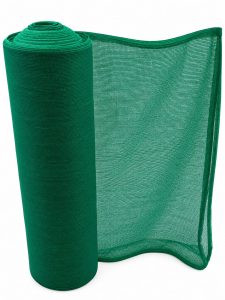
Farmers commonly use 180GSM nets for shade structures. For instance, a shade net from Cougar Nets (https://cougarnets.co.ke/product/shade-nets/) provides ideal protection for horticultural crops like tomatoes, capsicum, spinach, and herbs.
Livestock and Poultry Areas
Although lighter than poultry-grade meshes, 180GSM nets are still useful for creating windbreaks around poultry houses or livestock sheds.
Outdoor Shade Solutions
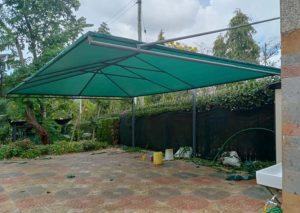
They can be used for creating comfortable shaded areas for car parks, patios, nurseries, and verandas.
Crop Protection
Lower GSM nets help reduce direct sunlight intensity and minimize water stress in sensitive crops.
When to Choose 180GSM
Use this grade when you need light to moderate shading, easy installation, and lower cost. It is perfect for small and medium-scale farmers.
2. 200GSM Nets in Kenya
Overview
200GSM nets strike a balance between lightweight agricultural nets and heavy-duty shade cloths. They are stronger, thicker, and more durable than 180GSM nets, giving them a wider range of applications.
Features of 200GSM Nets
-
Higher density and tensile strength
-
Better protection from environmental stress
-
Improved shading capability
-
Longer operational lifespan
-
Resistant to tearing under normal wind load
Applications of 200GSM Nets
Advanced Shading for Crops
Farmers growing highly sensitive crops such as lettuce, strawberries, and ornamentals prefer 200GSM nets because they provide consistent microclimatic conditions.
Nursery Management
Tree seedling nurseries and landscape nurseries often use 200GSM nets for uniform shading.
Poultry Protection
While plastic poultry mesh (https://cougarnets.co.ke/product/poultry-mesh-400g/) is designed specifically for bird enclosures, 200GSM nets can be used for shading poultry runs and controlling heat stress.
Vertical Crop Support and Trellising
Paired with trellis nets (https://cougarnets.co.ke/product/trellis-net/) 200GSM nets create a controlled light environment for climbing crops.
Light Construction Use
In some cases, 200GSM nets are suitable for light debris control or simple safety barriers around smaller work sites.
When to Choose 200GSM
Select 200GSM if you require stronger shading, improved durability, and versatile application without moving into heavy-duty netting.
3. 320GSM Nets in Kenya
Overview
320GSM nets fall into the premium-grade category, offering maximum durability, heavyweight performance, and superior UV protection. These are commonly used in demanding environments such as construction sites, large farms, commercial shading projects, and aquaculture.
Cougar Nets offers several professional-grade options in this category, including:
-
80% Shade Net 320GSM (https://cougarnets.co.ke/product/shade-net-80-320gsm/)
-
Shade Net 320GSM 50m Roll (https://cougarnets.co.ke/product/shade-net-320-gsm-50-meters-x-2-85-meter/)
-
Premium Shade Nets (https://cougarnets.co.ke/product/premium-shade-nets/)
Features of 320GSM Nets
-
Maximum UV stabilization
-
Extremely strong and tear-resistant
-
Designed for long-term outdoor exposure
-
Heavy-duty shading capability
-
Wind and dust control in construction areas
-
Suitable for commercial greenhouses
Applications of 320GSM Nets
Commercial Greenhouses
Commercial crop producers use 320GSM nets to manage heat, prevent moisture loss, and reduce plant stress.
Construction Sites
The construction shade nets provided by Cougar Nets (https://cougarnets.co.ke/construction-shade-nets-in-kenya/) often fall into the 320GSM range, helping prevent falling debris, improve site safety, and reduce wind impact.
Aquaculture
Heavy-duty nets like the fish pond cover net (https://cougarnets.co.ke/product/fish-pond-cover-net-33-meters-x-14-meters/) rely on high GSM to withstand constant tension, water pressure, and predator pressure.
Residential and Commercial Shading
Car parks, hotels, schools, and resorts use 320GSM nets for long-lasting architectural shade systems.
When to Choose 320GSM
Choose 320GSM when your project demands maximum strength, longest lifespan, and the highest resistance to environmental stress.
Comparing 180GSM vs. 200GSM vs. 320GSM Nets
Below is a breakdown to help you choose:
| GSM Rating | Strength | UV Protection | Ideal Use Cases | Durability | Cost |
|---|---|---|---|---|---|
| 180GSM | Low-Medium | Medium | Small farms, household shading, nurseries | 3–5 years | Low |
| 200GSM | Medium | Medium-High | Advanced horticulture, landscaping, poultry | 5–7 years | Moderate |
| 320GSM | High | Very High | Commercial greenhouses, construction sites, car shades, fish ponds | 7–10 years | High |
How to Choose the Right GSM for Your Project in Kenya
1. Determine Your Level of Shade or Protection
-
Light shading: 180GSM
-
Moderate shading: 200GSM
-
Heavy shading: 320GSM
2. Evaluate Environmental Stress
High-wind areas like Naivasha, Nyeri, or Mukurweini require stronger nets like 320GSM.
3. Consider the Expected Lifespan
Heavy-duty installations, particularly in aquaculture and construction, benefit from 320GSM for long-term use.
4. Analyze Your Budget
180GSM is economical for large farms; 320GSM is ideal for permanent structures.
5. Choose UV-Stabilized Nets
All Cougar Nets shade nets are UV-stabilized for longevity.
6. Think About Installation Support
Heavy nets require strong frames, tension cables, or structural poles. Light nets need only basic support.
Additional Products That Complement GSM Nets
Cougar Nets provides essential accessories and complementary products that enhance net installation and durability:
-
Braided Rope 10mm (https://cougarnets.co.ke/product/braided-rope-10mm/)
-
PVC Tarpaulin 650GSM (https://cougarnets.co.ke/product/pvc-tarpaulin-650-gsm/)
-
Construction Shade Nets (https://cougarnets.co.ke/construction-shade-nets-in-kenya/)
-
Insect Nets 40 Mesh (https://cougarnets.co.ke/product/insect-net-40-mesh-5m-by-100m/)
These ensure secure anchoring, multipurpose installation, and long-term protection.
Maintenance Tips to Extend the Life of GSM Nets
-
Clean nets regularly to prevent clogging or dust accumulation.
-
Avoid excessive tension during installation.
-
Check for UV damage or brittleness yearly.
-
Secure nets properly to prevent tearing in windstorms.
-
Replace damaged areas immediately.
-
For aquaculture nets, ensure proper aeration using devices like the Aerator Pump (https://cougarnets.co.ke/product/aerator-pump-kenya-bestselling-cougarnet/).
Conclusion
Mesh weight defines how long your net will last, how much stress it can handle, and which environments it performs best in. Whether you are choosing 180GSM for general shading, 200GSM for advanced horticulture, or 320GSM for heavy-duty commercial use, understanding GSM ensures you get the best results for your investment.
Cougar Nets provides reliable, high-quality, UV-stabilized mesh products for every application—from farms and construction sites to commercial greenhouses and aquaculture projects. Selecting the right GSM is the difference between short-term fixes and long-lasting, professional results.
Call to Action (CTA)
Get Your Premium Netting Solutions Today!
For the best quality netting solutions for farming, construction, home, or any other project, look no further than Cougar Nets. Our team of experts is ready to help you choose the perfect product for your needs.
NATIONWIDE & EAST AFRICA DELIVERY AVAILABLE
✔ Premium quality nets for all applications
✔ Professional installation & expert advice
✔ Bulk orders & custom solutions available
✔ Serving Kenya (Nairobi, Mombasa, Kisumu), Uganda, Tanzania, Rwanda & beyond.
Contact Us for a Quote:
Cougar Nets
Email: sales@cougarnets.com | info@cougarnets.com
Phone: +254 706 903 465
Visit Us: Darosa Plaza, Karen Rd, Nairobi
Website: https://cougarnets.co.ke/