No products in the cart.
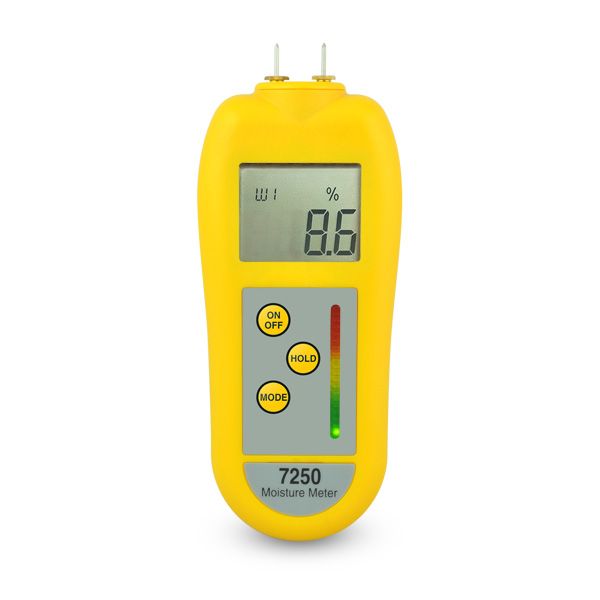
Moisture Meter & Thickness Gauge,Ensuring quality in construction starts with accurate measurements. Whether you’re checking wood, concrete, or other materials, moisture meters and thickness gauges are essential tools for every Kenyan contractor or construction professional. This guide explains how to use these devices effectively, improving safety, durability, and project outcomes.
What Is a Moisture Meter?
A moisture meter is a device used to measure the water content in materials such as wood, concrete, drywall, and plaster. Excess moisture can lead to:
-
Material degradation
-
Mold and mildew growth
-
Structural weaknesses
Using a moisture meter helps contractors ensure that materials meet quality standards before installation or finishing.
Types of Moisture Meters
-
Pin-type meters – Use probes inserted into the material to measure electrical resistance.
-
Pinless meters – Use electromagnetic signals to scan moisture content without damaging the surface.
What Is a Thickness Gauge?
A thickness gauge measures the thickness of coatings, paint, or material layers. It is commonly used in:
-
Surface quality inspections
-
Material testing
-
Coating application verification
This tool ensures compliance with construction specifications and prevents structural issues caused by improper material thickness.
How to Use a Moisture Meter in Kenya
-
Prepare the Material – Ensure the surface is clean and free of dust or debris.
-
Select the Correct Mode – Some meters have settings for wood, concrete, or drywall.
-
Take Readings – For pin-type meters, insert the probes into the material. For pinless meters, place the device flat on the surface.
-
Interpret Results – Compare readings to recommended moisture levels:
-
Wood: 6–12%
-
Concrete: <4% for finished surfaces
-
-
Record Data – Keep logs for quality control and project documentation.
How to Use a Thickness Gauge
-
Calibrate the Device – Follow the manufacturer’s instructions to ensure accurate readings.
-
Position the Gauge – Place it on the coating or material surface.
-
Take Multiple Measurements – Check several points to account for inconsistencies.
-
Compare with Standards – Ensure the thickness meets the project or material specifications.
Benefits of Using Moisture Meters and Thickness Gauges
-
Improved quality control on construction sites
-
Early detection of potential material defects
-
Reduced repair costs and project delays
-
Accurate documentation for inspections and certifications
Conclusion
For every construction project in Kenya, a moisture meter and thickness gauge are essential quality testing tools. They help contractors, engineers, and inspectors maintain high standards, avoid material failures, and ensure long-lasting structures. Investing in reliable measuring devices for your site will save time, money, and headaches in the long run.
Get Your Premium Netting Solutions Today!
For the best quality netting solutions for farming, construction, home, or any other project, look no further than Cougar Nets. Our team of experts is ready to help you choose the perfect product for your needs.
NATIONWIDE & EAST AFRICA DELIVERY AVAILABLE
- Premium quality nets for all applications
- Professional installation and expert advice
- Bulk orders and custom solutions available
- Serving Rwanda, Kenya (Nairobi, Eldoret, Kisumu), Tanzania and beyond.
Contact Us for a Quote:
Cougar Nets
Email: sales@mft.co.ke | info@cougarnets.co.ke
Phone: +254 706 903 465
Visit Us: Darosa Plaza, Karen Rd, Nairobi
Website: https://cougarnets.co.ke/