No products in the cart.
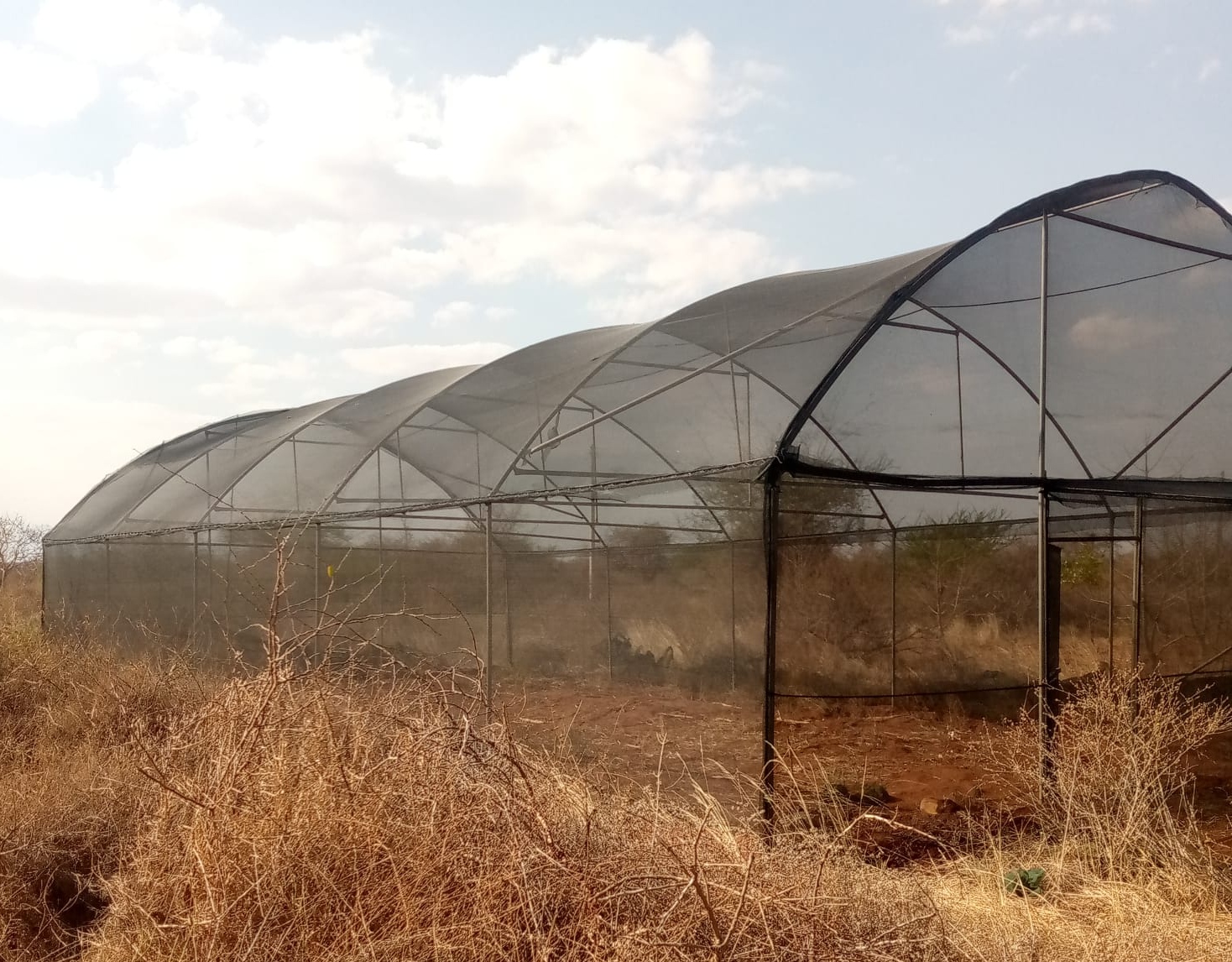
Net maintenance in Kenya involves proper cleaning, correct storage, regular inspection, and UV protection practices that help extend the lifespan of nets used in farming, fishing, and construction. With proper mesh care and handling, high-quality nets can last between 3 to 7 years depending on material type, environmental exposure, and usage intensity.
Net maintenance is essential for anyone using nets in Kenya for agriculture, construction, fishing, or home applications. Proper care directly affects durability, performance, and long-term cost savings. In Kenya’s harsh environmental conditions—high UV exposure in Nairobi, humidity in Mombasa, and dust in Rift Valley regions—nets can degrade quickly if not properly maintained.
Whether you are using shade nets for greenhouse farming, fishing nets in Lake Victoria, or construction safety nets in Nairobi, maintenance determines how long your investment lasts. Poor care leads to tearing, weakening of fibers, and early replacement costs.
This guide explains practical net maintenance, mesh care techniques, and durability tips tailored for Kenyan conditions, helping you maximize value and performance from your netting products.
Understanding Net Maintenance in Kenya
Net maintenance refers to all activities that preserve the strength, flexibility, and usability of nets over time. This includes:
- Cleaning dust, algae, and debris
- Protecting against UV damage
- Proper folding and storage
- Regular inspection for tears or weak points
- Avoiding chemical exposure
In Kenya, environmental stress is higher due to strong sunlight and seasonal rains, making maintenance even more important.
Explore quality netting products here:
shop
home-garden
poultry-farming
fishing
Importance of Proper Mesh Care
Mesh care ensures that the structural integrity of nets remains intact over time.
Proper maintenance helps:
- Increase lifespan by up to 3x
- Reduce replacement costs
- Maintain safety in construction sites
- Improve farming productivity
- Prevent sudden material failure
In agriculture zones like Naivasha and Kiambu, poorly maintained shade nets often fail prematurely, leading to crop losses.
Types of Nets and Their Maintenance Needs
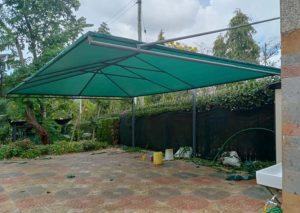
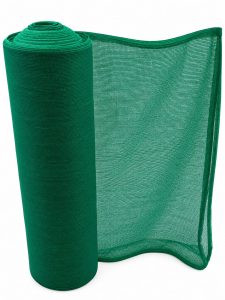
Shade Nets
Used in agriculture to control sunlight.
Maintenance needs:
- Regular dust removal
- UV protection storage
- Avoid overstretching during installation
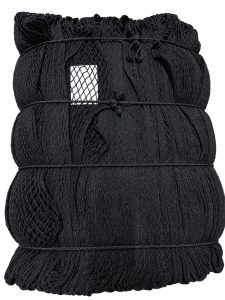
Fishing Nets
Used in Kisumu, Mombasa, and coastal waters.
Maintenance needs:
- Rinse with fresh water after use
- Dry completely before storage
- Avoid salt buildup damage
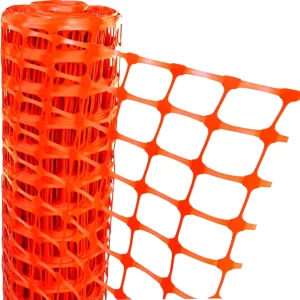
Construction Nets
Used in Nairobi and urban projects.
Maintenance needs:
- Frequent inspection for tears
- Avoid sharp object contact
- Secure anchoring to reduce stress
Poultry Nets
Used in livestock farming.
Maintenance needs:
- Keep away from aggressive animals
- Clean manure buildup regularly
- Check for weak knots
Net Maintenance Tips for Long-Term Durability
1. Regular Cleaning
Dirt, dust, and organic buildup weaken fibers over time. In Kenya’s dry regions like Eldoret, dust accumulation is a major issue.
Use mild soap and water to clean nets without damaging fibers.
2. Proper Drying
Never store wet nets. Moisture leads to mold and fiber breakdown, especially in coastal areas like Mombasa.
Always air-dry nets completely before storage.
3. UV Protection
UV rays are the biggest cause of net degradation in Kenya.
Best practices:
- Store nets indoors when not in use
- Use UV-stabilized nets like HDPE
- Avoid prolonged exposure when unnecessary
4. Correct Storage Technique
Improper folding leads to weak points.
Store nets by:
- Folding loosely
- Avoiding tight compression
- Keeping in dry, shaded areas
5. Regular Inspection
Check for:
- Small tears
- Loose knots
- Weak mesh sections
Early repair prevents total failure.
Net Durability Factors in Kenya
Durability depends on:
Material Type
- HDPE: High durability
- Nylon: Very high strength
- Polypropylene: Low durability
Environmental Exposure
- Nairobi: UV exposure
- Mombasa: humidity and salt
- Rift Valley: dust and wind
Usage Intensity
Heavy-duty industrial use reduces lifespan compared to light agricultural use.
Net Maintenance by Region in Kenya
Nairobi
- High UV exposure requires UV-stabilized nets
- Construction nets need frequent inspection
Mombasa
- Salt air causes faster material degradation
- Fishing nets require constant washing
Kisumu
- Aquaculture nets need algae cleaning
- Frequent water exposure maintenance required
Eldoret
- Dust control is critical for agricultural nets
- Wind stress affects structural integrity
Common Mistakes That Reduce Net Lifespan
- Leaving nets exposed to sun 24/7
- Using harsh chemicals during cleaning
- Ignoring small tears until they expand
- Improper storage after use
- Overstretching during installation
These mistakes can reduce lifespan by more than 50%.
How to Extend Net Lifespan (Expert Guide)
To maximize durability:
- Use UV-stabilized HDPE nets
- Install with proper tension balance
- Clean seasonally, not just when dirty
- Store during off-seasons
- Replace damaged sections early
Industrial Applications of Proper Net Maintenance
Agriculture
Maintained shade nets improve crop yield and reduce heat stress.
Construction
Properly maintained safety nets reduce workplace accidents.
Fishing
Clean nets improve catch efficiency and reduce equipment loss.
Home Use
Well-maintained nets last longer for garden protection and fencing.
Net Maintenance vs Replacement Cost
| Option | Cost Impact | Long-Term Value |
|---|---|---|
| Regular Maintenance | Low | High savings |
| No Maintenance | High replacement cost | Poor value |
| Early Replacement | Very high cost | Inefficient |
Proper maintenance reduces total cost of ownership significantly.
Why Quality Matters in Net Maintenance
Low-quality nets degrade quickly even with maintenance.
High-quality nets from trusted suppliers like Cougar Nets:
- Resist UV damage better
- Require less frequent replacement
- Maintain structural integrity longer
Explore quality products:
tarps
hardware
Future Trends in Net Durability (2026 Kenya)
- Increased use of UV-resistant polymers
- Smart agricultural netting systems
- Stronger lightweight materials
- Eco-friendly recyclable nets
Maintenance will become more important as nets become more specialized.
People Also Ask
How do you maintain nets in Kenya?
By cleaning regularly, storing properly, protecting from UV exposure, and inspecting for damage.
How long do nets last with proper maintenance?
Between 3 to 7 years depending on material and usage conditions.
What damages nets the most?
UV radiation, poor storage, and mechanical stress are the main causes of damage.
Can damaged nets be repaired?
Yes, small tears can be repaired using mesh stitching or patching techniques.
FAQ SECTION
What is net maintenance?
Net maintenance refers to cleaning, inspection, storage, and care practices that extend the lifespan and performance of nets used in agriculture, fishing, and construction.
How do I increase the lifespan of nets in Kenya?
Use UV-stabilized nets, clean regularly, avoid sun overexposure, and store properly when not in use.
Why do nets wear out quickly in Kenya?
High UV exposure, dust, humidity, and improper handling reduce net lifespan significantly.
What is the best way to clean nets?
Use mild soap, clean water, and gentle scrubbing. Avoid harsh chemicals that weaken fibers.
Can I use the same net for multiple seasons?
Yes, if properly maintained and stored, high-quality nets can last multiple seasons.
Which nets last longest in Kenya?
HDPE and nylon nets last the longest due to UV resistance and high tensile strength.
Get Your Premium Netting Solutions Today! For the best quality netting solutions for farming, construction, home, or any other project, look no further than Cougar Nets. Our team of experts is ready to help you choose the perfect product for your needs.
NATIONWIDE & EAST AFRICA DELIVERY AVAILABLE ✔ Premium quality nets for all applications ✔ Professional installation and expert advice ✔ Bulk orders and custom solutions available ✔ Serving Kenya (Nairobi, Eldoret, Kisumu), Uganda, Tanzania, Rwanda, South Sudan, Ethiopia and beyond.
Contact Us for a Quote:
Cougar Nets
Email: sales@cougarnets.com | info@cougarnets.com
Phone: +254 706 903 465
Visit Us: Darosa Plaza, Karen Rd, Nairobi
Website: https://cougarnets.co.ke/