No products in the cart.

The Role of Protective Nets in Reducing Crop Damage and Fish Loss
Modern agriculture and aquaculture in Kenya are operating under increasing pressure. Climate variability, rising input costs, land fragmentation, pest outbreaks, and predation are making it harder for farmers to protect yields and maintain profitability. In this environment, protective nets have emerged as one of the most practical, cost-effective, and scalable solutions for reducing crop damage and fish loss across both smallholder and commercial operations.
From vegetable farms in Kiambu to fish ponds in Kisumu and cage systems in Lake Victoria, protective netting systems are transforming how farmers manage risk. This comprehensive guide explains the role of protective nets in reducing crop damage and fish loss, explores the science behind different net types, compares materials and applications, and demonstrates why high-quality netting from Cougar Nets is a strategic investment for serious farmers in Kenya and the wider East African region.
Why Crop Damage and Fish Loss Remain a Major Problem in Kenya
Despite improvements in seeds, feeds, and farming techniques, post-planting and post-stocking losses remain alarmingly high. Many farms lose a significant percentage of their potential output before harvest or sale.
Common causes of crop damage include:
-
Birds feeding on fruits, grains, and seedlings
-
Insect pests attacking leaves, flowers, and fruits
-
Excessive sunlight causing heat stress and wilting
-
Heavy rainfall and wind damaging tender crops
-
Poor plant support leading to disease and rot
In aquaculture, fish loss is often caused by:
-
Bird and animal predation
-
Fish jumping out of ponds
-
Debris and leaves contaminating water
-
Oxygen depletion, especially at night
-
Poor containment in cages and ponds
These losses are not just biological problems—they are economic threats. For high-value crops and fish species, even a small percentage loss can erase profits entirely. Protective nets directly address these challenges by creating controlled, secure production environments.
Understanding Protective Nets and How They Work
Protective nets are engineered mesh systems designed to act as physical barriers while still allowing essential elements such as air, light, and water to pass through. Unlike solid covers or walls, nets create protection without suffocating crops or aquatic systems.
High-quality protective nets are typically made from UV-stabilized HDPE (High-Density Polyethylene) or PVC-coated materials, ensuring durability under Kenya’s intense sun and variable weather conditions.
When properly selected and installed, protective nets:
-
Reduce physical damage from pests and predators
-
Improve microclimate control
-
Lower reliance on chemicals
-
Increase survival rates and yields
-
Extend production seasons
Cougar Nets supplies a wide range of professional-grade netting solutions designed specifically for agricultural and aquaculture use in East Africa.
The Role of Protective Nets in Reducing Crop Damage
Shade Nets: Managing Heat, Light, and Moisture Stress
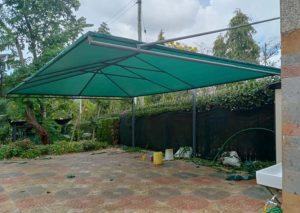
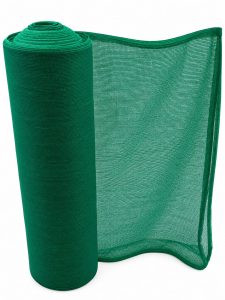
One of the most widespread causes of crop damage in Kenya is heat stress. Excessive sunlight increases evaporation, weakens plants, and reduces productivity. Shade nets help regulate sunlight intensity while maintaining airflow.
Modern shade nets are used extensively in:
-
Vegetable farming
-
Flower production
-
Tree nurseries
-
Greenhouse and tunnel farming
For areas with intense sunlight, farmers often choose heavier options such as the 80% shade net (320 GSM), which offers excellent UV protection and long service life.
How shade nets reduce crop damage:
-
Lower leaf temperature
-
Reduce water loss
-
Protect against wind and hail
-
Improve uniform growth
By stabilizing the growing environment, shade nets significantly reduce stress-related crop losses.
Anti-Bird Nets: Protecting Fruits, Seeds, and Grains
Bird damage is one of the most underestimated sources of loss in Kenyan agriculture. Birds attack fruits, peck seedlings, and feed on grains just before harvest.
Installing an anti-bird net creates a humane, chemical-free barrier that prevents birds from accessing crops without harming them.
Anti-bird nets are commonly used in:
-
Fruit orchards (mango, avocado, grapes)
-
Seed multiplication farms
-
Grain drying and storage areas
-
Greenhouse openings
The result is higher marketable yield and reduced labor costs associated with bird scaring.
Insect Nets: Reducing Pest Damage Without Chemicals
Insect pests can destroy crops rapidly, often forcing farmers to rely heavily on pesticides. While chemicals may offer short-term relief, they increase costs, resistance, and health risks.
Insect nets provide a preventive solution. Fine-mesh systems such as the 40-mesh insect net physically block insects from reaching crops.
Key applications include:
-
Greenhouse ventilation openings
-
Seedling nurseries
-
Organic vegetable production
By preventing pest entry, insect nets reduce crop damage, lower chemical usage, and improve produce quality.
Trellis Nets: Preventing Loss Through Better Crop Support
Crops that grow vertically require proper support to avoid breakage, disease, and rot. When plants lie on the ground, fruits are exposed to moisture, pests, and fungal infections.
The trellis net for climbing plants supports crops such as tomatoes, cucumbers, peas, and passion fruit, keeping them upright and well-ventilated.
Benefits include:
-
Reduced fruit rot
-
Better air circulation
-
Easier harvesting
-
Higher overall yields
Protective Nets in Livestock and Poultry Farming
Crop protection is only one side of the equation. Livestock and poultry farmers also experience losses due to predators, poor housing, and inadequate ventilation.
Poultry Mesh for Secure and Healthy Housing
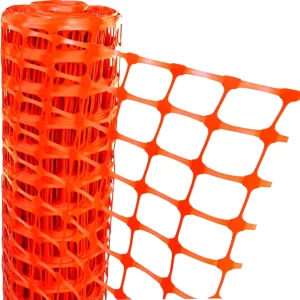
Predators such as dogs, snakes, and wild birds pose serious threats to poultry operations. Plastic poultry mesh offers a durable, rust-free solution for enclosing poultry houses and runs.
Products like the plastic poultry mesh provide:
-
Strong physical barriers
-
Excellent airflow
-
Easy cleaning and maintenance
By improving housing security, poultry mesh significantly reduces mortality and stress in birds.
The Role of Protective Nets in Reducing Fish Loss
Aquaculture losses can be sudden and catastrophic. Without proper protection, fish ponds and cages are vulnerable to predation, escapes, and environmental contamination.
Fish Pond Cover Nets: Protecting Stock and Water Quality
Fish pond cover nets act as the first line of defense against loss. They prevent:
-
Birds from feeding on fish
-
Fish from jumping out
-
Leaves and debris from entering ponds
The fish pond cover net is suitable for both smallholder ponds and commercial operations.
Consistent use of pond cover nets has been shown to dramatically improve survival rates, especially for fingerlings and juvenile fish.
Fish Cage Net Materials: Containment and Predator Control
In open-water systems, containment is critical. Weak or poorly made nets lead to fish escapes and predator entry.
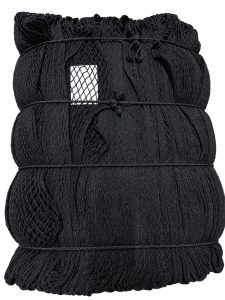
The fish cage net material supplied by Cougar Nets is designed to:
-
Withstand constant water pressure
-
Resist UV degradation
-
Prevent tearing and abrasion
Strong cage netting ensures stock security and predictable production outcomes.
Oxygen Management: Nets Working with Monitoring Tools
While nets protect against physical loss, water quality must also be managed. Oxygen depletion is a leading cause of fish mortality, especially during warm nights.
Supporting equipment such as the aerator pump for ponds improves dissolved oxygen levels, while monitoring tools like the dissolved oxygen meter allow farmers to detect problems early.
When combined with proper netting, these tools form a complete fish protection system.
Comparing Net Materials: HDPE vs PVC-Coated Nets
Choosing the right material is essential for long-term performance.
HDPE Nets
-
Lightweight and flexible
-
UV-stabilized
-
Ideal for shade, insect, anti-bird, and pond cover nets
PVC-Coated Nets
-
Heavier and stronger
-
Higher abrasion resistance
-
Best for fencing, enclosures, and high-stress applications
Cougar Nets offers both options, ensuring farmers select the most appropriate solution for their specific needs.
Installation and Supporting Accessories
Even the best net will fail if poorly installed. Proper tensioning, anchoring, and framing are essential.
Supporting accessories include:
-
Braided rope (10mm) for secure fastening
-
Structural poles and frames
-
Protective covers such as PVC tarpaulin (650 GSM)
Professional installation ensures maximum lifespan and performance.
Why Farmers Trust Cougar Nets
Cougar Nets has established itself as a leading supplier of premium netting and agricultural infrastructure solutions in Kenya and East Africa. The company combines high-quality products with practical expertise, helping farmers make informed decisions that reduce losses and improve profitability.
Explore the full product range at
https://cougarnets.co.ke/
For expert guidance or quotations, visit
https://cougarnets.co.ke/contact-us/
Conclusion: Protective Nets as a Smart Investment
Protective nets are no longer optional add-ons. They are core infrastructure for modern farming and aquaculture. By reducing crop damage and fish loss, nets protect income, stabilize production, and improve long-term sustainability.
Farmers who invest in high-quality protective nets benefit from:
-
Higher survival rates
-
Better yields
-
Lower operating costs
-
Improved resilience to climate and pest pressure
With expert support and premium products from Cougar Nets, farmers can build smarter, safer, and more profitable operations.
Get Your Premium Netting Solutions Today!
For the best quality netting solutions for farming, construction, home, or any other project, look no further than Cougar Nets. Our team of experts is ready to help you choose the perfect product for your needs.
NATIONWIDE & EAST AFRICA DELIVERY AVAILABLE
Premium quality nets for all applications
Professional installation & expert advice
Bulk orders & custom solutions available
Serving Kenya (Nairobi, Mombasa, Kisumu), Uganda, Tanzania, Rwanda, Ethiopia & beyond.
Contact Us for a Quote:
Cougar Nets
Email: sales@cougarnets.com | info@cougarnets.com
Phone: +254 706 903 465
Visit Us: Darosa Plaza, Karen Rd, Nairobi
Website: https://cougarnets.co.ke/