No products in the cart.
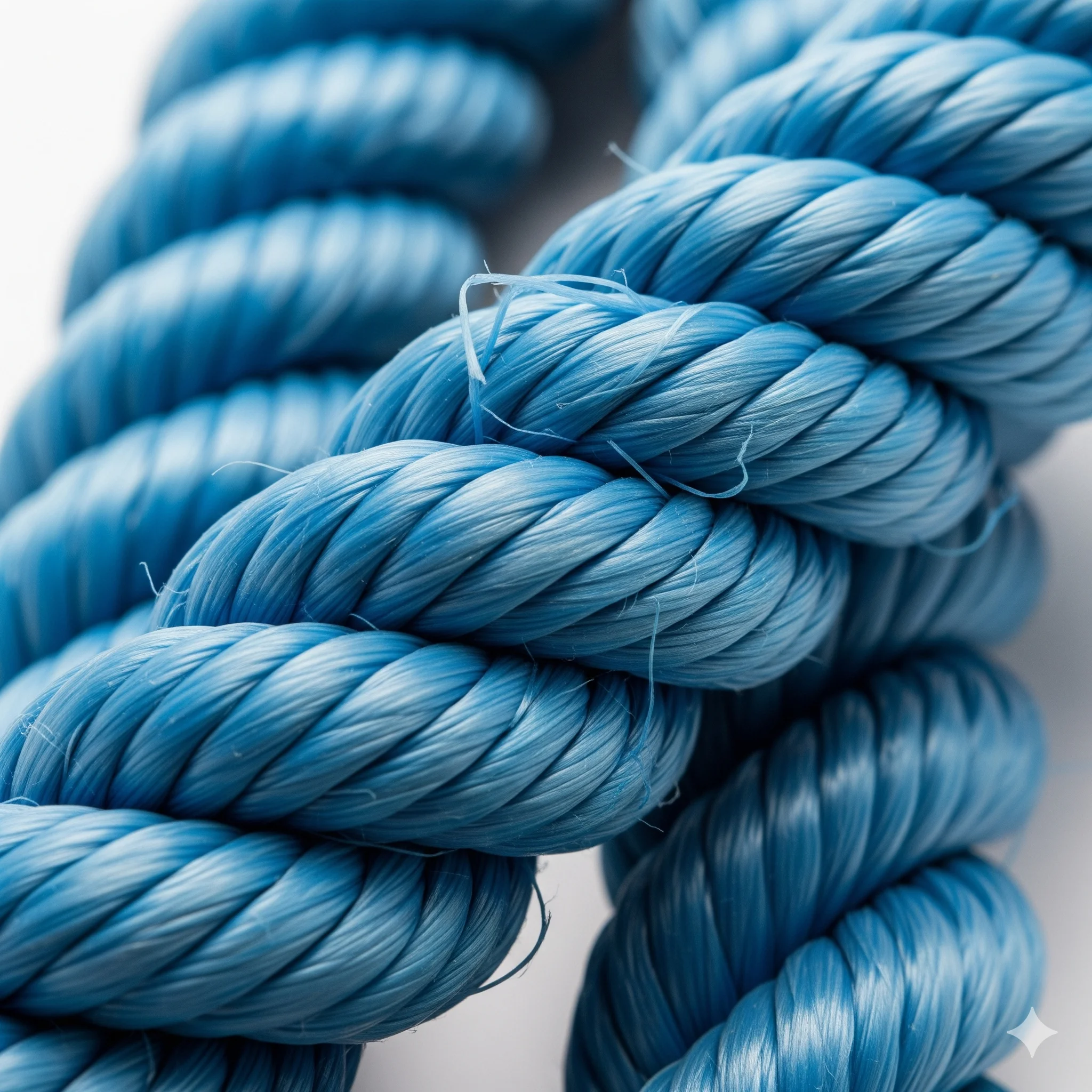
Choosing the right rope is essential for marine, farming, construction, or fishing activities in Kenya. With different materials and construction types available, it’s important to understand the differences between nylon rope and braided rope to ensure safety, durability, and performance.
What Is Nylon Rope?
Nylon rope is a synthetic rope known for its elasticity, strength, and resistance to abrasion and UV damage. It is commonly used in marine applications, construction sites, and outdoor activities.
Key Features of Nylon Rope
-
High tensile strength
-
Excellent shock absorption
-
Resistant to chemicals, UV rays, and rot
-
Ideal for heavy-duty tasks
Common Uses
-
Mooring boats and marine anchoring
-
Hoisting and lifting in construction
-
Towing vehicles or heavy equipment
-
Outdoor camping and farming
What Is Braided Rope?
Braided rope refers to ropes made by intertwining multiple strands together, which can be synthetic or natural fibers. The braided design improves flexibility, handling, and abrasion resistance.
Key Features of Nylon Rope vs Braided Rope
-
Smooth texture with minimal twisting
-
Flexible and easy to knot
-
High resistance to fraying
-
Available in various materials: polyester, polypropylene, or nylon
Common Uses
-
Fishing lines and nets
-
Sailing and marine applications
-
Lightweight hoisting and rigging
-
Decorative or utility purposes
Nylon Rope vs Braided Rope: Strength Comparison
| Feature | Nylon Rope | Braided Rope |
|---|---|---|
| Tensile Strength | Very high | Moderate to high (depends on material) |
| Elasticity | Excellent | Low to moderate |
| Abrasion Resistance | High | High (braided nylon especially strong) |
| Handling | Slightly stiffer | Flexible, easy to knot |
| UV & Chemical Resistance | Excellent | Varies by material |
| Ideal For | Heavy-duty lifting, marine, towing | Fishing, sailing, light to medium lifting |
Tip: Braided ropes made from nylon combine the strength of nylon with the flexibility of braiding, offering a balance between durability and ease of use.
Choosing the Right Rope in Kenya
When selecting ropes for marine, farming, construction, or fishing, consider:
-
Purpose – Heavy lifting vs knotting/fishing
-
Material – Nylon for heavy-duty, polyester/polypropylene for lighter tasks
-
Environment – UV exposure, water, or chemical contact
-
Rope Diameter – Thicker ropes are stronger but less flexible
-
Durability Requirements – Consider abrasion resistance and lifespan
Conclusion
For heavy-duty applications in Kenya, nylon rope is the go-to choice for strength, elasticity, and resistance. Braided ropes, especially braided nylon, offer excellent flexibility, ease of handling, and moderate strength, making them perfect for fishing, sailing, and general utility.
Understanding the differences between these ropes ensures safety, efficiency, and durability across marine, construction, and farming tasks.
Get Your Premium Netting Solutions Today!
For the best quality netting solutions for farming, construction, home, or any other project, look no further than Cougar Nets. Our team of experts is ready to help you choose the perfect product for your needs.
NATIONWIDE & EAST AFRICA DELIVERY AVAILABLE
- Premium quality nets for all applications
- Professional installation and expert advice
- Bulk orders and custom solutions available
- Serving Kenya (Nairobi, Eldoret, Kisumu), Rwanda, Uganda and beyond.
Contact Us for a Quote:
Cougar Nets
Email: sales@mft.co.ke | info@cougarnets.co.ke
Phone: +254 706 903 465
Visit Us: Darosa Plaza, Karen Rd, Nairobi
Website: https://cougarnets.co.ke/