No products in the cart.
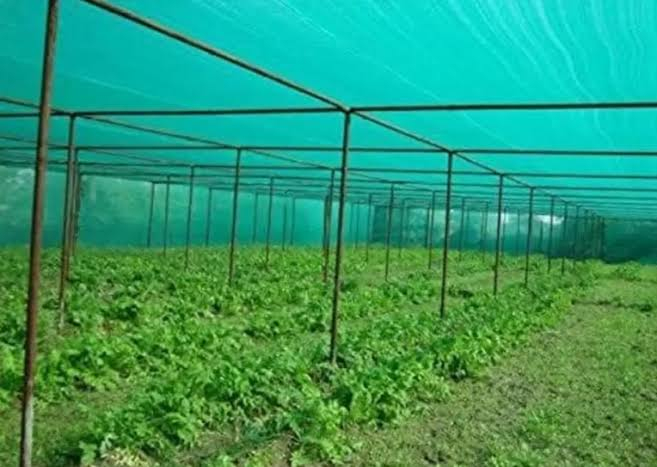
If you are planning to build a shade net house, one of the most important structural decisions is pole spacing for a shade net house. The distance between support poles determines how well the structure handles wind pressure, supports the shade net, and protects crops during harsh weather conditions.
Many farmers concentrate on choosing the correct shade percentage or selecting quality agricultural netting, but the supporting structure is just as important. A strong shade net house requires the right combination of:
- Correct pole spacing
- Strong support poles
- Proper anchoring
- Quality cables and wires
- Reliable shade net material
Poor spacing can cause structural problems such as:
- Bent poles
- Sagging shade nets
- Loose sections
- Wind damage
- Shorter net lifespan
- Expensive repairs
For Kenyan farmers, especially those growing crops in open areas exposed to wind, designing the support structure correctly from the beginning is essential.
Cougar Nets supplies durable agricultural solutions for farmers, including crop protection products, agricultural nets, and related farming equipment. Explore available solutions here:
https://cougarnets.co.ke/agricultural-nets-and-aquaculture-equipment/
What Is Pole Spacing in a Shade Net House?
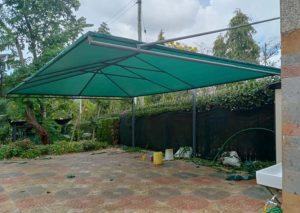
Pole spacing for a shade net house refers to the distance between each vertical pole supporting the shade net structure.
These poles form the main framework and carry the weight and tension created by:
- Shade netting
- Support cables
- Tension wires
- Wind forces
- Rainwater accumulation
The spacing between poles directly affects the strength and stability of the entire structure.
When poles are positioned closer together:
- Loads are distributed more evenly
- Wind pressure is reduced on individual posts
- The shade net remains tighter
- Structural movement is reduced
When poles are spaced too far apart:
- Each pole carries more stress
- The net experiences more movement
- Support cables experience greater tension
- The risk of damage increases
Why Pole Spacing Matters
A shade net house works as a complete system. The poles, cables, anchors, and netting all work together to withstand outdoor conditions.
Wind is one of the biggest challenges because it creates continuous pressure on the structure.
Better Wind Load Distribution
When wind pushes against a shade net house, the force is transferred from the netting to the support system.
If the poles are too widely spaced, fewer supports carry the load. This increases pressure on individual poles and may cause:
- Bending
- Leaning
- Loose foundations
- Structural failure
Correct pole spacing spreads these forces across multiple supports, improving stability.
Preventing Shade Net Movement
A shade net should remain properly tensioned after installation.
Poor pole spacing can create large unsupported areas where the net moves excessively during windy conditions.
This movement can lead to:
- Faster wear
- Damage around fixing points
- Reduced shade performance
- Shorter product life
A properly designed structure keeps the net secure and helps maintain consistent crop protection.
Recommended Pole Spacing for a Shade Net House
The correct pole spacing for a shade net house depends on several factors:
- Wind exposure
- Size of the structure
- Height of the shade house
- Type of shade net
- Soil conditions
- Foundation strength
- Intended crop use
There is no single spacing measurement suitable for every farm, but several spacing ranges are commonly used.
2 Metres to 3 Metres Pole Spacing
For commercial farms and areas exposed to stronger winds, closer pole spacing is often preferred.
Spacing poles between 2m and 3m provides:
- Increased structural strength
- Better wind resistance
- Improved support for heavy shade nets
- Reduced stress on individual poles
This spacing is suitable for:
- Open-field farming areas
- Commercial crop production
- Long-term installations
- High-value crops
3 Metres to 5 Metres Pole Spacing
Wider spacing may be suitable for smaller or more sheltered shade structures.
However, wider spans require stronger supporting components, including:
- Larger poles
- Stronger cables
- Better anchoring systems
- Additional bracing
Reducing the number of poles may lower installation costs initially, but it can increase maintenance expenses if the structure becomes unstable.
How Wind Affects Shade Net House Design
Wind conditions should always be considered before deciding the final pole layout.
A shade net house creates resistance as wind passes across the structure. Large installations experience greater forces because they expose a larger surface area.
Wind pressure affects:
- Corner poles
- Side supports
- Tension cables
- Anchoring points
- Shade net attachment areas
This is why pole spacing for a shade net house must be planned according to the location.
Farmers looking for reliable crop protection solutions can explore more products from Cougar Nets:
Common Pole Spacing Mistakes
Using Too Few Poles
Trying to save money by reducing the number of support poles can weaken the entire structure.
Possible consequences include:
- Increased movement during storms
- More repairs
- Reduced shade net lifespan
- Poor crop protection
Ignoring the Farm Location
A shade house in an exposed field requires stronger support compared with one protected by surrounding structures.
Consider:
- Local wind patterns
- Open space exposure
- Seasonal weather changes
Poor Foundation Preparation
Even strong poles will not perform properly if they are not anchored securely.
Weak foundations can cause:
- Pole movement
- Leaning structures
- Reduced stability
Proper foundations combined with correct spacing create a stronger and longer-lasting shade net house.
Planning Your Shade Net House Investment
A shade net house is a long-term agricultural investment. Correct planning helps farmers avoid unnecessary repairs and protects valuable crops.
Before installation, consider:
- The size of the structure
- Crop requirements
- Weather exposure
- Pole spacing
- Net quality
- Installation method
For farmers looking for dependable agricultural protection products, Cougar Nets provides quality solutions designed for different farming applications.
Visit:
https://cougarnets.co.ke/agricultural-nets-and-aquaculture-equipment/
Pole Spacing for a Shade Net House That Will Not Collapse – Part 2
The Role of Guy Wires in Shade Net House Stability
Correct pole spacing for a shade net house is only one part of creating a strong structure. Guy wires and support cables play an equally important role by helping the poles resist wind pressure and maintain stability.
Guy wires work by providing additional support to the main poles, especially at:
- Corners
- Ends of the structure
- Long exposed sides
- High-wind locations
Without proper bracing, even correctly spaced poles may experience excessive movement during strong winds.
A well-designed shade net house uses a combination of:
- Proper pole spacing
- Strong guy wires
- Secure anchors
- Quality cables
- Correct tension
This creates a balanced structure capable of handling outdoor conditions.
Cable and Wire Selection for Shade Net Structures
The cables used in a shade net house must be strong enough to support the tension created by the net and environmental forces.
Important factors to consider include:
Cable Strength
Weak cables may stretch or fail under continuous pressure.
Quality support cables help:
- Maintain net tension
- Reduce sagging
- Improve structural stability
- Extend the lifespan of the installation
Corrosion Resistance
Shade net houses are exposed to:
- Rain
- Humidity
- Sunlight
- Temperature changes
Using corrosion-resistant cables and fittings helps maintain performance over time.
Correct Tension
Cables should be tightened correctly during installation.
Over-tightening may put unnecessary stress on poles, while loose cables allow excessive movement.
A balanced tension system improves overall stability.
Choosing the Right Pole Size
Pole spacing and pole strength must work together.
A closer pole spacing design can improve stability, but the poles themselves must still be suitable for the size and location of the shade net house.
When selecting poles, consider:
- Structure height
- Total shade net area
- Wind exposure
- Soil conditions
- Expected lifespan
Stronger poles are especially important for:
- Large commercial structures
- Open farms
- High-wind areas
- Permanent installations
Importance of Proper Foundations
The foundation is what transfers structural forces into the ground.
A shade net house may have strong poles and good spacing, but weak foundations can still cause failure.
Proper anchoring helps prevent:
- Pole movement
- Tilting
- Wind uplift
- Structural instability
Foundation requirements depend on:
- Soil type
- Pole height
- Structure size
- Local weather conditions
Professional installation planning helps ensure the structure remains stable throughout different seasons.
Benefits of Correct Pole Spacing for a Shade Net House
Choosing the correct pole spacing for a shade net house provides several advantages for farmers.
1. Improved Wind Resistance
Correct spacing reduces the amount of stress placed on individual poles.
This helps the structure withstand:
- Strong winds
- Seasonal storms
- Continuous weather exposure
2. Longer Shade Net Lifespan
Excessive movement causes faster wear on shade netting.
A stable framework helps:
- Reduce flapping
- Protect fixing points
- Maintain proper tension
This allows the shade net to perform effectively for longer.
3. Better Crop Protection
A properly built shade net house provides consistent protection from:
- Excessive sunlight
- Heat stress
- Weather damage
- Certain pests
Reliable crop protection can improve growing conditions and support better yields.
Farmers can explore additional agricultural protection solutions from Cougar Nets here:
https://cougarnets.co.ke/agricultural-nets-and-aquaculture-equipment/
4. Reduced Maintenance Costs
A poorly designed structure may require frequent repairs.
Correct spacing and installation help reduce:
- Pole replacements
- Cable repairs
- Net adjustments
- Weather-related damage
This makes the investment more economical over time.
Common Applications of Shade Net Houses
Shade net structures are used across Kenya for different agricultural purposes.
Common applications include:
Vegetable Production
Shade nets help protect crops that require controlled sunlight levels.
Common crops include:
- Leafy vegetables
- Seedlings
- Herbs
- High-value horticultural crops
Nurseries
Plant nurseries benefit from shade structures because they provide a more controlled environment for young plants.
Shade net houses help reduce:
- Heat stress
- Excessive sunlight exposure
- Wind damage
Fruit and Horticultural Farming
Commercial growers use shade structures to improve crop conditions and protect valuable plants.
Livestock and Farm Protection
Shade structures can also provide comfortable shaded areas for livestock and farm operations.
Why Choose Cougar Nets?
Selecting the right supplier is important when investing in agricultural protection systems.
Cougar Nets provides quality solutions designed for farmers, businesses, and commercial agricultural operations.
Customers choose Cougar Nets because of:
- Durable agricultural products
- Quality shade netting solutions
- Reliable farming equipment
- Expert product guidance
- Competitive pricing
- Customer-focused support
Whether you need shade nets for a small farm, nursery, or commercial operation, Cougar Nets provides dependable solutions to help protect your agricultural investment.
Explore more products and solutions:
Frequently Asked Questions
What is the best pole spacing for a shade net house?
The ideal spacing depends on wind conditions, structure size, pole strength, and installation design. Many agricultural structures use spacing between 2 and 5 metres depending on requirements.
Does closer pole spacing make a shade net house stronger?
Yes. Closer spacing generally improves load distribution by allowing more support points to share wind and tension forces.
How far apart should shade house poles be in windy areas?
Windy locations usually require closer pole spacing, stronger poles, better anchoring, and additional bracing compared with sheltered areas.
Can I install a shade net house without guy wires?
Small structures may require less reinforcement, but larger or exposed shade net houses usually benefit from guy wires and additional support systems.
How long does a shade net house last?
The lifespan depends on the quality of the materials, installation method, weather exposure, and maintenance. Properly designed structures with quality materials can provide many years of service.
Where can I buy shade nets and agricultural netting in Kenya?
You can purchase agricultural netting solutions from Cougar Nets.
Visit:
Agricultural Nets & Aquaculture Equipment:
https://cougarnets.co.ke/agricultural-nets-and-aquaculture-equipment/
Shop Products:
https://cougarnets.co.ke/shop/
Contact Cougar Nets:
https://cougarnets.co.ke/contact-us/
Conclusion
Correct pole spacing for a shade net house is one of the most important factors in building a structure that can withstand wind, protect crops, and provide long-term value.
While spacing depends on the size of the structure, location, and weather conditions, using the right distance between poles helps distribute loads more effectively and reduces the risk of structural failure.
Farmers should consider the complete system, including:
- Pole spacing
- Cable strength
- Guy wires
- Foundations
- Quality shade netting
- Professional installation
With reliable agricultural solutions from Cougar Nets, farmers across Kenya can build stronger shade net houses designed to support healthier crops and improved farm productivity.
Contact Cougar Nets
Looking for quality shade nets and agricultural protection solutions?
Cougar Nets supplies durable agricultural products designed for farms, nurseries, and commercial growers.
Website:
https://cougarnets.co.ke/
Agricultural Nets & Aquaculture Equipment:
https://cougarnets.co.ke/agricultural-nets-and-aquaculture-equipment/
Shop Online:
https://cougarnets.co.ke/shop/
Contact Us:
https://cougarnets.co.ke/contact-us/
Phone:
+254 706 903 465
Email:
sales@cougarnets.co.ke
Location:
Darosa Plaza, Karen Road, Nairobi, Kenya
Get Your Premium Netting Solutions Today!
For the best quality netting solutions for farming, construction, home, or any other project, look no further than Cougar Nets. Our team of experts is ready to help you choose the perfect product for your needs.
NATIONWIDE & EAST AFRICA DELIVERY AVAILABLE
- Premium quality nets for all applications
- Professional installation and expert advice
- Bulk orders and custom solutions available
- Serving Kenya (Nairobi, Eldoret, Kisumu), Rwanda, Tanzania and beyond.
Contact Us for a Quote:
Cougar Nets
Email: sales@mft.co.ke | info@cougarnets.co.ke
Phone: +254 706 903 465
Visit Us: Darosa Plaza, Karen Rd, Nairobi
Website: https://cougarnets.co.ke/