No products in the cart.
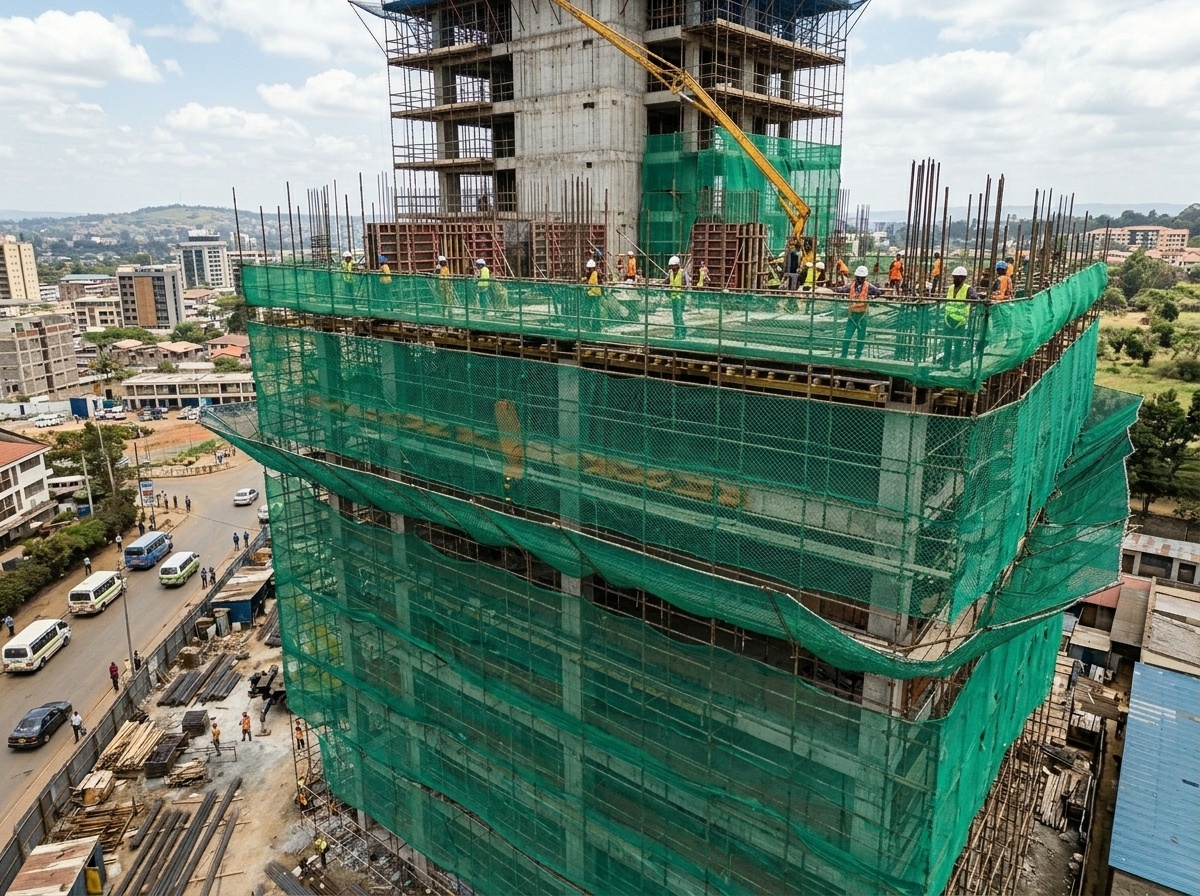
Scaffolding safety nets in Kenya have become a core requirement in modern construction safety systems, especially in fast-developing cities like Nairobi, Mombasa, Kisumu, and Eldoret. As the construction industry expands vertically with high-rise buildings, the risk of falling tools and debris has increased significantly, making protective netting systems essential rather than optional.
In this environment, industry leaders such as Cougar Nets provide engineered scaffolding safety nets designed for high-impact resistance, UV protection, and long-term durability in East African climate conditions.
From Nairobi’s busy commercial districts to coastal construction sites in Mombasa exposed to humidity and wind loads, falling debris containment systems are now a standard requirement for contractors who prioritize safety, compliance, and operational efficiency. This guide explores everything from technical specifications and installation to pricing, compliance (including eTIMS requirements), and real-world use cases across Kenya and the broader East African region.
What Are Scaffolding Safety Nets?
Scaffolding safety nets are industrial-grade mesh systems installed on scaffolding structures to create a protective barrier that prevents objects from falling to lower levels.
They serve four critical safety functions:
- Capturing falling tools and construction debris
- Protecting workers operating below scaffolding
- Preventing pedestrian injuries in public zones
- Reducing material loss and site cleanup costs
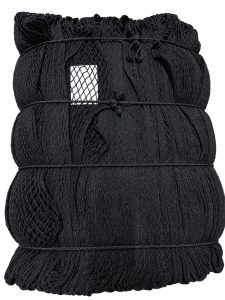
These nets are typically manufactured using high-density polyethylene (HDPE) or reinforced nylon fibers, chosen for their strength-to-weight ratio and resistance to UV degradation, especially in high-exposure environments like Nairobi.
You can explore available construction safety systems on the official shop page here:
Shop Cougar Nets Products
Importance of Scaffolding Safety Nets in Kenya
Kenya’s rapid urban development has increased the number of high-rise projects in Nairobi, Westlands, Upper Hill, and Kilimani. These environments are highly sensitive because of dense pedestrian traffic and ongoing commercial activity.
Key risks addressed by safety nets:
- Falling hammers, bricks, and tools from upper floors
- Wind-blown debris in tall buildings
- Construction waste during demolition phases
- Dust pollution affecting nearby businesses
In Nairobi CBD, even small falling objects can cause serious injuries or legal liabilities, making falling debris containment systems a legal and operational necessity.
For more insights on safety systems and industrial applications, visit the company overview page:
About Cougar Nets
Technical Specifications of Scaffolding Safety Nets
Understanding technical specifications is essential for selecting the right netting system for your project.
| Feature | Specification | Purpose |
|---|---|---|
| Material | HDPE / Nylon | High tensile strength |
| GSM Range | 70–300 GSM | Determines durability |
| Mesh Size | 5mm–50mm | Controls debris size |
| UV Resistance | 3–5 years | Outdoor durability |
| Load Capacity | Impact-rated | Tool and debris absorption |
| Color | Green / Blue / Black | Visibility & classification |
In Nairobi high-rise construction, 180–220 GSM nets are the industry standard because they balance affordability with strong impact resistance. Coastal areas like Mombasa often require higher UV-stabilized variants due to salt and humidity exposure.
Types of Scaffolding Safety Nets Used in East Africa
Debris Containment Nets
Designed to capture:
- Concrete fragments
- Metal scraps
- Broken tiles and wood pieces
Tool Drop Protection Nets
Used specifically to prevent falling tools such as:
- Hammers
- Drills
- Measuring equipment
Full Perimeter Safety Nets
Installed around entire structures for:
- High-rise containment
- Wind protection
- Dust control
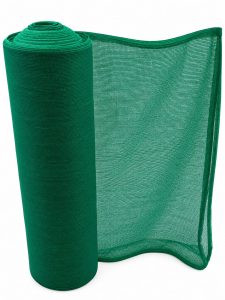
Hybrid Shade + Safety Nets
Used in modern sites for:
- UV protection
- Worker comfort
- Reduced dust exposure
Benefits of Scaffolding Safety Nets in Construction
Enhanced Worker Safety
Reduces serious injuries caused by falling objects.
Public Protection in Urban Areas
Essential for Nairobi CBD and other high-density zones.
Compliance with Safety Regulations
Supports occupational safety standards and contractor accountability.
Cost Efficiency
Prevents financial losses from:
- Legal claims
- Insurance penalties
- Material wastage
Environmental Control
Reduces dust pollution in dry construction zones like Athi River and Kitengela.
How to Choose the Best Scaffolding Safety Nets
Step 1: Identify Project Scale
- High-rise buildings → Heavy-duty HDPE nets
- Residential construction → Medium GSM nets
- Temporary works → Lightweight nets
Step 2: Evaluate Environmental Conditions
- Nairobi → High UV exposure
- Mombasa → Humidity and corrosion risk
- Rift Valley → Wind exposure zones
Step 3: Confirm Load Requirements
Ensure nets can withstand:
- Heavy tools
- Construction debris
- Wind pressure
Step 4: Verify Supplier Reliability
Work with trusted providers like Cougar Nets for certified industrial-grade solutions.
For direct inquiries and quotes, visit:
Contact Cougar Nets
Scaffolding Safety Nets Prices in Kenya (2026 Market Insights)
Pricing depends on material quality, GSM density, and installation requirements.
Key pricing factors:
- GSM density (higher = more durable)
- UV treatment level
- Custom sizing requirements
- Bulk procurement discounts
- Installation complexity
Market trend insight:
In Nairobi’s construction sector, bulk purchases for high-rise projects significantly reduce per-unit costs, especially for contractors managing multi-phase developments.
You can browse available options here:
Construction Hardware Supplies
Installation Guide for Scaffolding Safety Nets
Step 1: Site Assessment
Inspect scaffolding structure stability.
Step 2: Measurement
Accurately measure all scaffold dimensions.
Step 3: Anchoring System Setup
Install hooks, ropes, or steel fasteners.
Step 4: Net Installation
Secure nets tightly to avoid sagging or gaps.
Step 5: Reinforcement
Strengthen edges in high-wind areas like coastal Mombasa.
Step 6: Final Inspection
Ensure full coverage and tension consistency.
Compliance, Safety Standards & eTIMS in Kenya
Modern construction procurement in Kenya must align with:
- Occupational safety regulations
- Contractor liability frameworks
- Tax compliance systems (eTIMS)
Why eTIMS matters:
- Ensures proper invoicing for procurement transparency
- Supports audit compliance for contractors
- Improves traceability of industrial purchases
Using compliant suppliers like Cougar Nets ensures documentation readiness for both government and private sector projects.
Use Cases Across East Africa
Nairobi
- Commercial high-rise buildings
- Infrastructure expansion projects
- Urban redevelopment zones
Mombasa
- Coastal hotel construction
- Port infrastructure development
Kisumu
- Public infrastructure projects
- Lakeside commercial developments
Eldoret
- Residential housing projects
- Institutional buildings
Scaffolding Safety Nets vs Alternatives
| Solution | Effectiveness | Cost | Best Use Case |
|---|---|---|---|
| Safety Nets | Very High | Medium | High-rise construction |
| Temporary Fencing | Low | Low | Ground-level works |
| Tarpaulins | Medium | Low | Dust control only |
Safety nets remain the most reliable system for falling debris containment in vertical construction environments.
People Also Ask
Why are scaffolding safety nets important in Nairobi?
They prevent falling tools and debris from injuring pedestrians and workers in densely populated urban areas, significantly reducing construction-related accidents.
What materials are used in safety nets?
Most nets are made from HDPE or nylon due to their strength, UV resistance, and long-term durability in outdoor environments.
How long do scaffolding nets last?
High-quality nets typically last between 3–5 years depending on exposure, maintenance, and usage conditions.
Are safety nets mandatory in Kenya?
They are strongly recommended under occupational safety requirements for high-rise construction and are widely adopted as industry standard practice.
Can scaffolding nets reduce dust?
Yes, they act as partial dust barriers, improving air quality around construction sites.
13. FAQ Section
1. What are scaffolding safety nets used for?
Scaffolding safety nets are used to prevent falling tools, debris, and materials from reaching ground level. They are essential for protecting workers and the public in high-rise construction environments across Nairobi and other Kenyan cities.
2. How do falling debris containment nets work?
They absorb the impact of falling objects and trap them within reinforced mesh layers, preventing injuries and reducing construction site hazards.
3. What GSM is best for scaffolding nets in Kenya?
The recommended GSM range is 180–220 for most construction projects in Kenya, balancing durability, safety, and cost efficiency.
4. Can safety nets withstand heavy tools?
Yes, industrial-grade nets are designed to absorb impact from tools such as hammers and drills without tearing or failing.
5. Where can I buy scaffolding safety nets in Kenya?
You can purchase high-quality certified nets from Cougar Nets through their official website and shop portal.
6. How often should safety nets be replaced?
Typically every 3–5 years depending on exposure to UV rays, weather conditions, and project intensity.
7. Are scaffolding nets reusable?
Yes, with proper maintenance and inspection, they can be reused across multiple construction projects.
Call To Action
Get Your Premium Netting Solutions Today! For the best quality netting solutions for farming, construction, home, or any other project, look no further than Cougar Nets. Our team of experts is ready to help you choose the perfect product for your needs.
NATIONWIDE & EAST AFRICA DELIVERY AVAILABLE
Premium quality nets for all applications
Professional installation and expert advice
Bulk orders and custom solutions available
Serving Kenya (Nairobi, Eldoret, Kisumu), Uganda, Tanzania, Rwanda, South Sudan, Ethiopia and beyond.
Contact Us for a Quote:
Cougar Nets
Email: sales@cougarnets.com | info@cougarnets.com
Phone: +254 706 903 465
Visit Us: Darosa Plaza, Karen Rd, Nairobi
Website: https://cougarnets.co.ke/