No products in the cart.
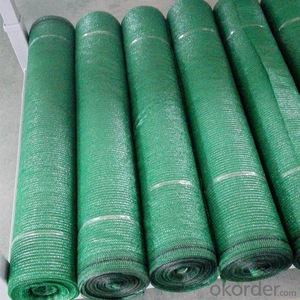
Understanding shade net prices Kenya is no longer just about comparing upfront costs—it is about evaluating long-term agricultural performance, crop survival rates, and overall farming profitability. Across Kenya and the wider East African region, farmers are increasingly adopting controlled farming systems such as greenhouses, open-field shading structures, and nursery protection systems to combat unpredictable weather patterns, excessive sunlight, pests, and water stress.
However, a major decision continues to challenge farmers: whether to invest in high quality agricultural nets or opt for cheaper, lower-grade alternatives that appear attractive due to their lower initial cost.
At Cougar Nets, we have seen firsthand how this decision impacts productivity, operating costs, and long-term farm sustainability. While cheap shade nets may seem economical at first glance, their hidden costs often exceed the price difference within a single growing cycle.
This article provides a deep cost-benefit analysis of premium vs cheap shade nets, helping farmers, agribusinesses, and greenhouse operators make informed investment decisions that support farming cost reduction and long-term profitability.
Understanding Shade Nets in Modern Kenyan Agriculture
Shade nets are specially designed agricultural fabrics made from high-density polyethylene (HDPE) or similar materials, engineered to control sunlight intensity, temperature, and moisture levels in farming environments.
In Kenya, they are widely used in:
- Greenhouse farming systems
- Nursery beds for vegetables and flowers
- Coffee and tea seedling protection
- Horticultural farms
- Livestock cooling shelters
The demand for agricultural shade nets Kenya continues to grow due to climate variability, rising temperatures, and increased commercial farming activities.
You can explore professional-grade solutions here:
shade-nets
What Defines Premium vs Cheap Shade Nets?
The difference between premium and cheap Shade Net Prices is not just price—it is engineering, material quality, and lifespan.
1. Material Quality
Premium nets are made from UV-stabilized HDPE, while cheap alternatives often use recycled or low-grade plastics that degrade quickly under sunlight.
2. UV Stabilization
High quality agricultural nets are designed with UV inhibitors that extend lifespan up to 5–8 years. Cheap nets may start breaking down within 6–18 months.
3. GSM (Grams per Square Meter)
Higher GSM means stronger, denser, and more durable nets.
For example:
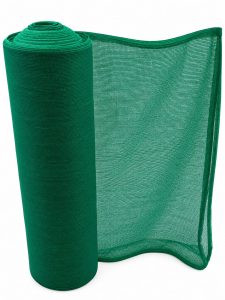
- Premium: 320 GSM (e.g. shade-net-80-320gsm)
- Cheap: Often below 200 GSM
4. Weaving and Stitch Density
Premium nets have tighter weaving, reducing tear propagation and improving wind resistance.
5. Color and Light Diffusion
Premium nets provide uniform shading, ensuring consistent crop growth. Cheap nets create uneven shading, affecting plant development.
Shade Net Prices Kenya: Initial Cost vs Long-Term Value
When analyzing shade net prices Kenya, most farmers focus only on upfront purchase cost. However, the true cost includes replacement, crop loss, and maintenance.
Cheap Shade Nets:
- Lower purchase price
- Frequent replacement (1–2 seasons)
- Higher crop failure risk
- Increased labor for repairs
Premium Shade Nets:
- Higher initial investment
- Lifespan of 5–8 years
- Stable crop yields
- Reduced replacement costs
Over a 5-year period, premium nets are significantly more cost-effective despite their higher entry price.
The Hidden Costs of Cheap Agricultural Nets
Cheap nets often introduce hidden operational costs that are not immediately visible:
1. Frequent Replacement Costs
Replacing nets every season or two increases cumulative expenses significantly.
2. Crop Yield Losses
Inconsistent shading leads to:
- Sunburned crops
- Stunted growth
- Reduced market quality
3. Pest and Bird Damage
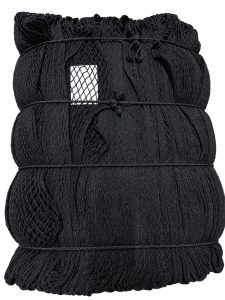
Weak net structures fail to provide effective barriers. Farmers often supplement them with additional systems such as:
anti-bird-net-30-m-x-10m
4. Structural Failure Costs
Cheap nets are more prone to tearing during wind or heavy rain, leading to unexpected repair costs.
Benefits of Investing in High Quality Agricultural Nets
Premium Shade Net Prices provide a wide range of agronomic and financial advantages.
1. Improved Crop Yield Consistency
Uniform light distribution ensures healthier plant growth cycles and better harvest predictability.
2. Better Temperature Regulation
Shade Net Prices reduce heat stress, particularly in arid and semi-arid regions of Kenya.
3. Reduced Water Consumption
By lowering evaporation rates, farmers save significantly on irrigation costs.
4. Pest and Environmental Protection
When combined with systems like:
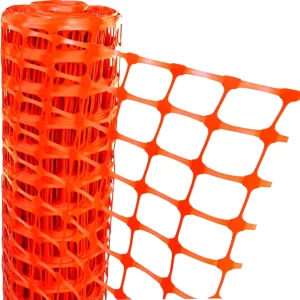
- insect-net-40-mesh-5m-by-100m
farmers achieve near-complete protection from insects and airborne pests.
5. Longer Service Life
Premium nets maintain structural integrity for multiple growing seasons, reducing replacement frequency.
Cost-Benefit Comparison: Premium vs Cheap Shade Nets
| Feature | Premium Shade Nets | Cheap Shade Nets |
|---|---|---|
| Initial Cost | Higher | Lower |
| Lifespan | 5–8 years | 1–2 years |
| UV Resistance | High | Low |
| Crop Yield Impact | Positive | Unstable |
| Maintenance Cost | Low | High |
| Replacement Frequency | Rare | Frequent |
This comparison clearly shows that while shade net prices Kenya vary widely, long-term financial outcomes strongly favor premium solutions.
Applications of Shade Net Prices in Kenya’s Agriculture Sector
Greenhouse Farming
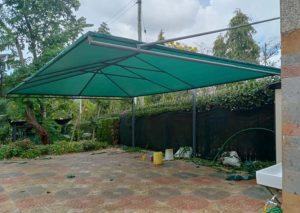
Shade Net Prices regulate internal temperature and light intensity, improving tomato, capsicum, and cucumber production.
Vegetable Farming
Leafy vegetables such as spinach, kale, and lettuce benefit from reduced heat stress.
Nursery Management
Seedlings require controlled environments for optimal germination.
Floriculture
Flowers demand precise environmental control, which premium nets provide effectively.
For structured farming systems, farmers often combine shade nets with:
trellis-net-kenya
Choosing the Right Shade Net Prices for Your Farm
Selecting the right net depends on several factors:
1. Crop Type
Different crops require different shading percentages.
2. Location Climate
Hotter regions require higher shading levels.
3. Budget vs Lifecycle Strategy
Short-term savings often lead to long-term losses.
4. Structural Requirements
Heavy-duty farming structures require reinforced netting systems.
for livestock protection and mixed farming setups.
Installation and Maintenance Considerations
Proper installation significantly affects net lifespan:
- Ensure tight but flexible mounting
- Avoid sharp edges on supporting structures
- Use UV-resistant fastening materials
- Regular inspection for tears or sagging
Using supporting agricultural infrastructure like:
shade-net-80-320gsm
ensures long-term stability and performance.
Why Shade Net Prices Fail Faster in Kenyan Conditions
Kenya’s climate presents unique challenges:
- Strong UV radiation
- Seasonal heavy rains
- High wind speeds in open farms
Cheap nets degrade quickly under these conditions because they lack proper UV stabilizers and structural reinforcement.
This leads to:
- Fiber brittleness
- Color fading
- Structural tearing
Over time, this makes cheap nets significantly more expensive than they initially appear.
ROI Analysis: Premium Shade Net Prices vs Cheap Alternatives
Return on investment (ROI) is the most important metric for farmers.
Premium Nets:
- Higher upfront cost
- Stable yields over multiple seasons
- Lower operational costs
- Predictable ROI within 2–3 years
Cheap Nets:
- Low upfront cost
- High replacement costs
- Yield inconsistency
- Negative long-term ROI in many cases
This makes high quality agricultural nets the preferred choice for commercial farming operations.
The Cougar Nets Advantage in Kenya
Cougar Nets is a leading supplier of agricultural and industrial netting solutions in Kenya, offering durable, tested, and climate-resistant products tailored for local farming conditions.
Our product range includes:
cougarnets
shade-nets
shade-net-80-320gsm
anti-bird-net-30-m-x-10m
insect-net-40-mesh-5m-by-100m
We focus on delivering long-term value rather than low-cost, short-lived solutions.
Conclusion: Making the Smart Investment Decision
The debate around shade net prices Kenya ultimately comes down to value versus cost. While cheap shade nets may reduce initial expenses, they often increase long-term financial pressure due to frequent replacements, crop losses, and inefficiencies.
High quality agricultural nets, on the other hand, provide durability, stability, and improved productivity, making them a superior investment for serious farmers.
For farmers focused on sustainable farming cost reduction and long-term profitability, premium shade nets are not a luxury—they are a necessity.