No products in the cart.
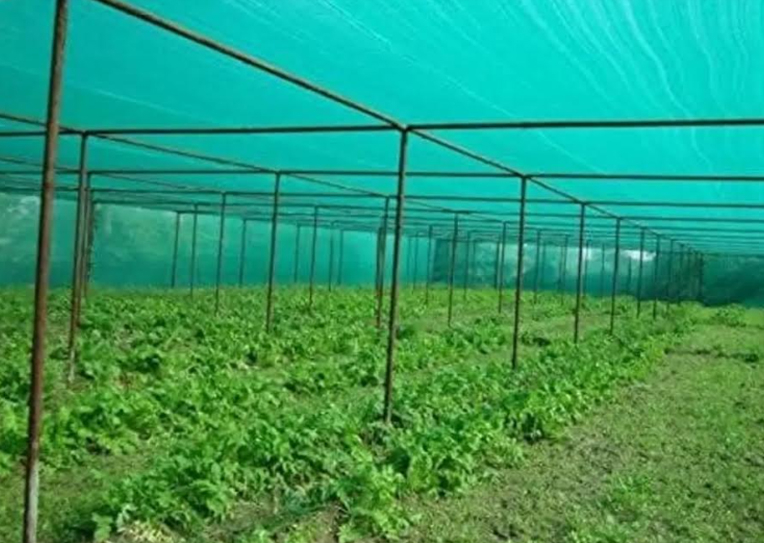
Kenya’s agricultural sector continues to rely on innovative farming solutions to improve crop production, manage climate challenges, and protect valuable harvests. Among the most effective technologies available to farmers today are Shade Nets in Kenya, which help control sunlight exposure, reduce heat stress, and create better growing conditions for different crops.
However, one of the most common questions farmers ask is: Should I choose a 40% shade net or a 90% shade net?
Understanding shade percentages is essential because the wrong shade factor can negatively affect plant growth. Some crops require more sunlight for photosynthesis, while others perform better under reduced light intensity.
This guide explains the difference between 40% and 90% shade nets, their applications, and how Kenyan farmers can select the right option for their farms.
What Does Shade Percentage Mean?
The shade percentage refers to the amount of sunlight blocked by the net.
For example:
- A 40% shade net blocks approximately 40% of sunlight while allowing about 60% of light to pass through.
- A 90% shade net blocks approximately 90% of sunlight while allowing only about 10% of light transmission.
The ideal shade level depends on:
- Crop type
- Climate conditions
- Location
- Growing stage
- Farming method
Choosing the correct shade percentage helps maintain the right balance between sunlight, temperature, and humidity.
Why Farmers Use Shade Nets in Kenya
Kenya experiences different climatic conditions, from hot coastal regions to high-altitude agricultural zones. Excessive sunlight and heat can affect crop quality, reduce yields, and increase water requirements.
Quality shade nets help farmers by:
Reducing Heat Stress
High temperatures can damage sensitive crops by causing:
- Leaf scorching
- Flower drop
- Reduced fruit development
- Faster moisture loss
Shade nets create a cooler microclimate that supports healthier plant growth.
Protecting Crops from Harsh Weather
Shade nets provide protection against:
- Strong sunlight
- Heavy rainfall impact
- Wind damage
- Some pest activity
Improving Water Efficiency
By reducing evaporation, shade nets help soil retain moisture for longer periods, reducing irrigation requirements.
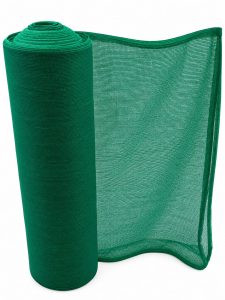
Explore durable Shade Nets suitable for various agricultural applications.
Understanding 40% Shade Nets in Kenya
A 40% shade net provides moderate protection while allowing significant sunlight penetration.
It is commonly used for crops that still require strong light exposure.
Benefits of 40% Shade Nets
1. Balanced Light Transmission
Many vegetables and outdoor crops need plenty of sunlight for photosynthesis. A 40% shade net provides protection without significantly reducing light availability.
2. Suitable for Fast-Growing Crops
Common applications include:
- Vegetables
- Seedlings
- Herbs
- Some fruit crops
- Nursery plants
3. Better Air Movement
Because the mesh is less dense, it allows better airflow, reducing humidity-related issues.
Crops Suitable for 40% Shade Nets
Farmers commonly use 40% shade nets for:
- Tomatoes
- Cabbages
- Spinach
- Lettuce
- Seedlings
- Herbs
However, the ideal shade level may vary depending on the farm location and growing conditions.
Understanding 90% Shade Nets in Kenya
A 90% shade net provides maximum sunlight reduction and creates a significantly cooler environment.
These nets are designed for situations where plants, animals, or equipment require strong protection from direct sunlight.
Benefits of 90% Shade Nets
1. Maximum Heat Reduction
90% shade nets are excellent for extremely hot environments where crops may suffer from excessive heat.
2. Protects Sensitive Plants
They are suitable for plants that naturally grow under shaded conditions.
3. Provides Strong UV Protection
High-density shade nets help reduce exposure to intense UV radiation, extending crop and equipment protection.
For commercial farming projects requiring enhanced durability, farmers can consider Premium Shade Nets designed for long-term performance.
Crops Suitable for 90% Shade Nets
Common applications include:
- Orchids
- Ferns
- Nursery plants
- Ornamental plants
- Shade-loving flowers
- Delicate seedlings
They are also used in:
- Livestock shelters
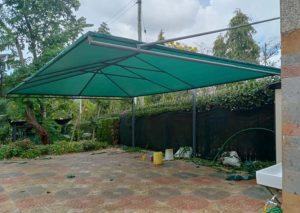
- Car parking areas
- Outdoor sitting spaces
- Greenhouse structures
40% vs. 90% Shade Nets: Comparison Table
| Feature | 40% Shade Net | 90% Shade Net |
|---|---|---|
| Light reduction | Moderate | Very high |
| Light transmission | Higher | Lower |
| Best for | Sun-loving crops | Shade-sensitive crops |
| Air circulation | Excellent | Reduced |
| Heat protection | Moderate | Maximum |
| Common use | Vegetables and nurseries | Flowers, seedlings, shelters |
How to Choose the Right Shade Net for Your Farm
Before purchasing, consider the following factors:
1. Identify Your Crop Requirements
Different crops have different sunlight needs.
For example:
- Tomatoes usually require more light
- Orchids require controlled lighting
- Seedlings need protection during early growth stages
2. Consider Your Location
Farmers in hotter regions such as coastal Kenya may require higher shade levels compared to farmers in cooler highland areas.
3. Consider the Season
During extremely hot periods, farmers may benefit from increased shade protection.
4. Choose Quality Materials
A good shade net should have:
- UV stabilization
- Strong weaving
- Weather resistance
- Long service life
Common Mistakes Farmers Make When Buying Shade Nets
Choosing Shade Percentage Based Only on Price
A cheaper net may not provide the correct growing environment.
Using Excessive Shade
Too much shade can reduce photosynthesis and slow crop development.
Ignoring UV Treatment
Non-UV-treated nets can deteriorate quickly under Kenya’s intense sunlight.
Buying the Wrong Size
Incorrect measurements can lead to unnecessary costs or insufficient coverage.
Why Choose Cougar Nets for Shade Nets in Kenya?
Cougar Nets supplies high-quality agricultural netting solutions designed for Kenyan farming conditions.
Farmers choose Cougar Nets because of:
- Durable UV-treated materials
- Wide range of shade percentages
- Reliable product quality
- Expert guidance
- Solutions for small and commercial farms
Whether you need moderate shade protection or heavy-duty coverage, Cougar Nets helps you select the right solution for your agricultural needs.
Frequently Asked Questions
What is the difference between 40% and 90% shade nets?
A 40% shade net allows more sunlight through and is suitable for crops requiring higher light levels. A 90% shade net blocks most sunlight and is ideal for sensitive plants and high-temperature environments.
Which shade net is best for tomatoes in Kenya?
Many tomato farmers prefer moderate shade levels because tomatoes require adequate sunlight. The ideal percentage depends on location, season, and farming method.
Are shade nets waterproof?
They are designed primarily for sunlight and temperature control. They are not complete waterproof covers, although they can reduce the impact of rainfall.
How long do shade nets last in Kenya?
The lifespan depends on material quality, UV treatment, installation, and maintenance. High-quality UV-treated shade nets typically last significantly longer.
Where can I buy quality Shade Nets in Kenya?
Cougar Nets supplies durable agricultural shade solutions for farmers, greenhouses, nurseries, and commercial projects.
Conclusion
Choosing between 40% and 90% Shade Nets in Kenya depends on your crop requirements, climate, and farming goals. While 40% shade nets provide balanced sunlight protection for many vegetables and crops, 90% shade nets are better suited for delicate plants and environments requiring maximum heat reduction.
Selecting the right shade factor can improve crop performance, reduce environmental stress, and increase farming efficiency.
For professional advice and quality agricultural shade solutions, contact Cougar Nets today.
Contact Cougar Nets
Address: Darosa Plaza, Karen Road, Nairobi, Kenya
Phone: +254 706 903 465
Sales Email: sales@cougarnets.com
General Email: info@cougarnets.com
Website: https://cougarnets.co.ke