No products in the cart.
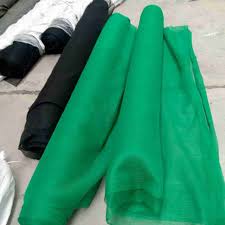
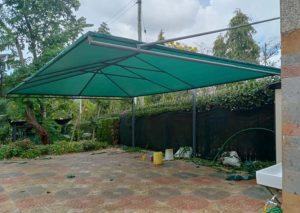
Shade nets in Kenya are agricultural mesh coverings used to reduce crop stress and minimize water evaporation during dry seasons by controlling sunlight intensity, wind exposure, and microclimate conditions. In Kenya and East Africa, shade nets improve crop water conservation and increase farming efficiency in hot, dry periods by lowering evapotranspiration and protecting plants from heat stress.
Shade nets Kenya farming systems are becoming essential tools for improving crop water conservation and stabilizing yields during increasingly unpredictable dry seasons. Across Kenya and East Africa, farmers face rising temperatures, prolonged drought cycles, and inconsistent rainfall, all of which increase water stress on crops.
In regions such as Kiambu, Machakos, Kitui, and parts of the Rift Valley, shade nets are now widely used to reduce evaporation rates, protect seedlings, and maintain soil moisture for longer periods. Cougar Nets has emerged as a trusted supplier of high-quality agricultural shade nets designed for farming in dry seasons, greenhouse systems, and open-field crop protection.
By reducing heat intensity and improving microclimate stability, shade nets directly improve plant survival rates and reduce irrigation costs.
What Are Shade Nets and How Do They Work?
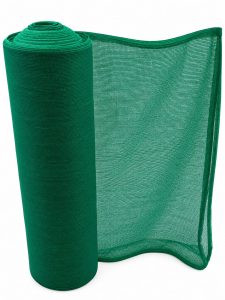
Shade nets are UV-stabilized mesh materials designed to partially block sunlight while allowing air and water circulation. They are widely used in farming in dry seasons to reduce environmental stress on crops.
Core Functions:
- Reduce solar radiation intensity
- Lower soil and leaf temperature
- Minimize wind-driven moisture loss
- Improve humidity retention
- Support crop water conservation strategies
Shade Net Benefits for Farming in Dry Seasons
1. Reduced Water Evaporation
Shade nets significantly reduce evapotranspiration by limiting direct sunlight exposure.
2. Improved Crop Water Conservation
Soil moisture remains stable for longer periods, reducing irrigation frequency.
3. Lower Crop Stress Levels
Plants experience less heat stress, leading to better growth and higher yields.
4. Protection from Extreme Weather
Shade nets reduce damage from strong winds and intense solar radiation.
5. Increased Germination Success
Seedlings benefit from stable microclimates, improving survival rates.
How Shade Nets Reduce Crop Stress
Crop stress occurs when plants lose water faster than they can absorb it. Shade nets reduce this imbalance by:
- Lowering leaf surface temperature
- Reducing transpiration rates
- Blocking excess UV radiation
- Stabilizing humidity around crops
Result:
Plants maintain photosynthesis efficiency even during peak heat periods.
Shade Net Density and Performance Guide
| Shade Level | Light Reduction | Best Use Case | Crop Type |
|---|---|---|---|
| 30% | Low shade | Light-sensitive crops | Tomatoes, peppers |
| 50% | Medium shade | Balanced protection | Vegetables, herbs |
| 75% | High shade | Extreme dry season farming | Nurseries, seedlings |
| 90% | Very high shade | Special propagation | Ornamental plants |
Crop Water Conservation Using Shade Nets
Shade nets directly contribute to crop water conservation in Kenya by:
Reducing Irrigation Demand
Farmers can reduce watering cycles by up to 30–50%.
Improving Soil Moisture Retention
Less evaporation means water stays in the root zone longer.
Enhancing Mulching Efficiency
Shade nets work well with mulching systems for maximum water retention.
Best Crops for Shade Net Farming in Kenya
- Leafy vegetables (spinach, kale, lettuce)
- Tomatoes during seedling stage
- Capsicum and peppers
- Herbs (coriander, basil)
- Nursery plants and tree seedlings
Shade Net Applications by Region in East Africa
Kiambu & Central Kenya
- Intensive horticulture and greenhouse support
- Nursery protection during dry spells
Machakos & Kitui
- Drought-prone farming zones
- Critical for crop survival during long dry seasons
Rift Valley (Eldoret, Nakuru)
- Large-scale vegetable production
- Wind and sun protection systems
Coastal Kenya (Mombasa, Kilifi)
- High heat and humidity regulation systems
Shade Nets vs Open Field Farming
| Feature | Shade Nets | Open Field |
|---|---|---|
| Water usage | Lower | Higher |
| Crop survival | Higher | Lower |
| Heat stress | Reduced | High |
| Yield stability | Consistent | Variable |
| Pest exposure | Reduced | High |
Installation Guide for Shade Nets in Farming Systems
Step 1: Site Assessment
Evaluate sun direction and wind exposure.
Step 2: Frame Construction
Use:
- Metal poles
- Wooden frames (small farms)
- Greenhouse support structures
Step 3: Net Installation
Stretch evenly to avoid sagging and tearing.
Step 4: Anchoring
Secure edges with UV-resistant ties or clamps.
Step 5: Maintenance Planning
Schedule seasonal inspections.
Pricing Insights for Shade Nets in Kenya
Shade net prices depend on:
- Shade percentage (30%–90%)
- Material quality (HDPE UV-stabilized)
- Roll size and density
General Market Trends:
- Low-density nets: affordable for small farms
- Mid-range nets: most popular among Kiambu farmers
- High-density nets: used for nurseries and commercial farms
Agronomic Best Practices for Dry Season Farming
- Use drip irrigation with shade nets
- Combine with mulching for maximum water conservation
- Plant drought-resistant crop varieties
- Schedule irrigation early morning or evening
These practices significantly improve farming in dry seasons across Kenya.
Compliance and Quality Standards
Shade net farming systems in Kenya align with:
- Sustainable agriculture practices
- Water conservation policies
- Integrated crop management systems
- eTIMS-compliant agricultural procurement documentation for commercial buyers
Cougar Nets ensures all commercial orders support proper invoicing and tax compliance requirements in Kenya.
Why Cougar Nets is a Trusted Supplier
Cougar Nets provides:
- UV-stabilized agricultural shade nets
- Custom sizing for Kenyan farms
- Nationwide delivery across East Africa
- Expert consultation for farm setup
- Bulk order support for commercial agriculture
- home-garden
- poultry-farming
- animals-pet-supplies
- tarps
- fishing
- shop
- contact-us
- faqs
People Also Ask
How do shade nets help in crop water conservation?
Shade nets reduce evaporation and transpiration by blocking excess sunlight, helping soil retain moisture longer and reducing irrigation needs.
What percentage shade net is best for dry season farming?
A 50% shade net is ideal for most crops, while 30% is used for light-sensitive vegetables and 75% for nurseries.
Do improve crop yields in Kenya?
Yes, they improve yields by reducing heat stress, stabilizing moisture, and protecting crops from harsh sunlight.
Are good for drought-prone areas?
Yes, they are highly effective in dry regions like Machakos and Kitui where water conservation is critical.
FAQ SECTION
1. What are used for in Kenya agriculture?
Shade nets are used to reduce heat stress, control sunlight intensity, and improve crop water conservation. They are widely used in dry season farming across Kenya to protect vegetables, seedlings, and nursery crops from harsh environmental conditions.
2. How do reduce water evaporation?
Shade nets lower direct solar radiation and wind exposure, which reduces evapotranspiration rates. This helps soil retain moisture longer, reducing irrigation frequency and improving water efficiency in farming systems.
3. What crops grow best under?
Leafy vegetables, tomatoes during early growth stages, herbs, and nursery seedlings perform best under shade nets because they are sensitive to heat and moisture loss.
4. Are effective in dry seasons in Kenya?
Yes, they are highly effective in dry seasons because they reduce crop stress, improve humidity retention, and help stabilize growing conditions during extreme heat.
5. How long do agricultural last?
High-quality UV-stabilized shade nets typically last between 5–8 years depending on maintenance and exposure to sunlight.
6. Do reduce irrigation costs?
Yes, by reducing evaporation and improving soil moisture retention, shade nets significantly lower irrigation requirements and water costs.
Get Your Premium Netting Solutions Today! For the best quality netting solutions for farming, construction, home, or any other project, look no further than Cougar Nets. Our team of experts is ready to help you choose the perfect product for your needs.
NATIONWIDE & EAST AFRICA DELIVERY AVAILABLE ✔ Premium quality nets for all applications ✔ Professional installation and expert advice ✔ Bulk orders and custom solutions available ✔ Serving Kenya (Nairobi, Eldoret, Kisumu), Uganda, Tanzania, Rwanda, South Sudan, Ethiopia and beyond.
Contact Us for a Quote:
Cougar Nets
Email: sales@cougarnets.com | info@cougarnets.com
Phone: +254 706 903 465
Visit Us: Darosa Plaza, Karen Rd, Nairobi
Website: https://cougarnets.co.ke/