No products in the cart.
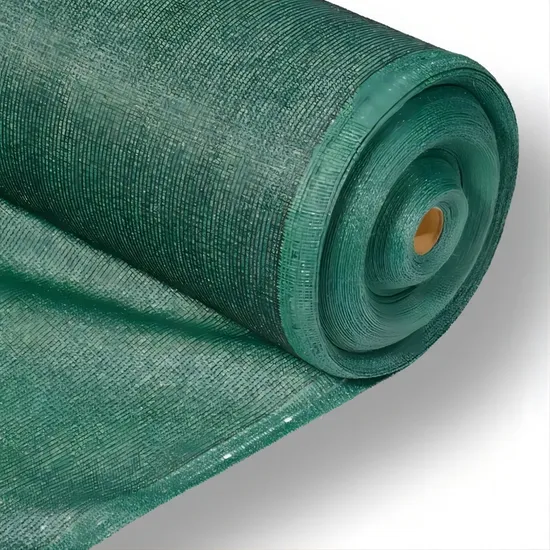
UV-stabilized shade nets in Kenya are made from HDPE (High-Density Polyethylene) material treated with ultraviolet inhibitors that protect the net from sun degradation. HDPE netting Kenya lasts longer because it resists cracking, fading, and fiber breakdown caused by intense equatorial sunlight. In Kenya and East Africa, durable farming nets with UV stabilization typically last 3–7 years depending on exposure and usage conditions.
UV stabilized shade nets are a critical innovation in modern Kenyan agriculture, especially in regions with intense solar radiation such as Nairobi, Rift Valley, and coastal Kenya. HDPE netting Kenya is widely used in farming because it provides reliable protection for crops while maintaining long-term structural integrity under harsh weather conditions.
At Cougar Nets, durable farming nets are engineered using UV Stabilized Shade Nets technology designed specifically for equatorial climates in Kenya and East Africa. This ensures farmers benefit from longer-lasting shade structures, reduced replacement costs, and improved agricultural productivity.
Understanding why UV-stabilized shade nets last longer is essential for farmers investing in greenhouse farming, horticulture, livestock shading, and commercial agriculture systems.
What Are UV-Stabilized Shade Nets?
UV-stabilized shade nets are agricultural netting materials made from HDPE fibers treated with UV inhibitors that reduce solar degradation.
Key components:
- High-Density Polyethylene (HDPE)
- UV stabilizing additives
- Anti-oxidation compounds
Purpose:
- Protect crops from excessive sunlight
- Extend material lifespan
- Improve farm microclimate control
Why the Kenyan Sun Is So Harsh on Farming Materials
Kenya lies near the equator, meaning:
- High UV index year-round
- Strong solar intensity (especially midday)
- Long exposure hours
Impact on non-UV materials:
- Rapid fiber breakdown
- Color fading
- Brittleness and cracking
- Structural weakening within months
This is why untreated nets fail quickly in Kenyan conditions.
Why UV Stabilized Shade Nets Kenya Lasts Longer
UV Protection Mechanism
UV stabilizers absorb and dissipate harmful ultraviolet radiation before it damages polymer chains.
HDPE Molecular Strength
HDPE has:
- High tensile strength
- Flexible molecular structure
- Resistance to moisture and chemicals
Combined Effect
Together, UV stabilization + HDPE creates a long-lasting agricultural netting solution ideal for Kenyan climates.
UV-Stabilized Shade Nets vs Ordinary Shade Nets
| Feature | UV-Stabilized HDPE Nets | Non-Treated Nets |
|---|---|---|
| Lifespan | 3–7 years | 6–12 months |
| UV resistance | High | Very low |
| Tear resistance | High | Low |
| Color stability | Strong | Fades quickly |
| Cost efficiency | Long-term savings | Frequent replacement |
Benefits of Durable Farming Nets in Kenya
1. Reduced Replacement Costs
Farmers avoid yearly replacements, saving long-term operational costs.
2. Better Crop Protection
Stable shading improves:
- Moisture retention
- Temperature control
- Plant health
3. Improved Livestock Comfort
Used in poultry and dairy farming to reduce heat stress.
4. Higher Yield Stability
Consistent microclimate leads to predictable harvest cycles.
Applications of UV-Stabilized Shade Nets in Kenya
Greenhouse Farming
- Tomato farming Kenya
- Capsicum and cucumber production
- Seedling nurseries
Open Field Agriculture
- Vegetable shading in Kiambu and Nakuru
- Flower farming in Naivasha
Livestock Farming
- Poultry houses
- Dairy cow shading systems
- Goat and sheep shelters
Aquaculture
- Fish pond temperature regulation
- Oxygen balance support
Regional Performance in Kenya
Nairobi & Central Kenya
- High UV exposure requires 50%–70% UV-stabilized nets
Rift Valley (Eldoret, Nakuru)
- Strong solar variation requires durable farming nets for greenhouse systems
Coastal Region (Mombasa)
- High humidity + UV requires heavy-duty UV protection
Northern Kenya
- Extreme heat conditions require reinforced HDPE netting Kenya solutions
How to Identify High-Quality UV-Stabilized Shade Nets
Key indicators:
- Even mesh structure
- Strong tensile feel
- UV certification from manufacturer
- No brittleness when stretched
- Uniform color pigmentation
Red flags:
- Cheap pricing without specifications
- Rapid fading within months
- Weak tearing under light pressure
Installation Best Practices
Step 1: Use strong framing
- Steel or treated wood recommended
Step 2: Proper tensioning
- Avoid over-stretching which reduces lifespan
Step 3: Secure edges properly
- Use UV-resistant fasteners
Step 4: Avoid ground contact
- Prevents moisture degradation
Cost vs Durability Insight
While UV-stabilized shade nets may cost more initially, they:
- Last up to 7x longer than untreated nets
- Reduce replacement cycles
- Improve farm ROI significantly
This makes them the preferred choice for commercial farming in Kenya.
People Also Ask
Why do UV-stabilized shade nets last longer in Kenya?
They contain UV inhibitors that protect HDPE fibers from breaking down under intense equatorial sunlight, significantly extending their lifespan.
What is HDPE netting used for in Kenya?
HDPE netting Kenya is used for shade structures in agriculture, greenhouse farming, livestock protection, and aquaculture systems.
How long do durable farming nets last?
High-quality UV-stabilized HDPE nets typically last between 3 and 7 years depending on exposure and maintenance.
Are UV Stabilized Shade Nets worth the cost?
Yes, they reduce long-term replacement costs and improve agricultural productivity, making them cost-effective for Kenyan farmers.
- Shade net solutions: home-garden
- Greenhouse farming tools: poultry-farming
- Hardware and installation: hardware
- Aquaculture systems: fishing
- Tarpaulin protection: tarps
- Shop farming nets: shop
- About Cougar Nets: about-us
- Contact us: contact-us
FAQ Section
What makes UV-stabilized shade nets different from normal nets?
UV-stabilized nets contain additives that protect against sunlight degradation, making them much more durable in Kenyan conditions.
Why is HDPE used for farming nets?
HDPE is strong, flexible, weather-resistant, and ideal for long-term agricultural use in harsh climates.
Can UV Stabilized Shade Nets be used for greenhouse farming?
Yes, they are widely used in greenhouse farming in Kenya to regulate temperature and improve crop yields.
How can farmers increase UV Stabilized Shade Nets lifespan?
Proper installation, correct tensioning, and avoiding physical damage can significantly extend lifespan.
Are UV Stabilized Shade Nets suitable for livestock?
Yes, they reduce heat stress and improve animal welfare in poultry and dairy farming.
Get Your Premium Netting Solutions Today!
For the best quality netting solutions for farming, construction, home, or any other project, look no further than Cougar Nets. Our team of experts is ready to help you choose the perfect product for your needs.
NATIONWIDE & EAST AFRICA DELIVERY AVAILABLE
- Premium quality nets for all applications
- Professional installation and expert advice
- Bulk orders and custom solutions available
- Serving Uganda, Ethiopia, Rwanda and beyond.
Contact Us for a Quote:
Cougar Nets
Email: sales@mft.co.ke | info@cougarnets.co.ke
Phone: +254 706 903 465
Visit Us: Darosa Plaza, Karen Rd, Nairobi
Website: https://cougarnets.co.ke/