No products in the cart.

Polyethylene vs. Polypropylene vs. Nylon Nets Explained
Polyethylene, polypropylene, and nylon nets differ mainly in strength, UV resistance, and water absorption. Polyethylene nets are highly UV resistant and best for outdoor use, polypropylene nets are lightweight and cost-effective but less durable under sun, while nylon nets are the strongest but absorb water and degrade faster in harsh UV environments like Kenya and East Africa.
INTRODUCTION
Choosing the right netting material is one of the most important decisions in farming, fishing, construction, and industrial applications. In Kenya and across East Africa—especially in high-UV regions like Nairobi, Mombasa, Kisumu, and Eldoret—the wrong material can fail quickly and lead to costly replacements.
The three most common synthetic rope netting materials are polyethylene, polypropylene, and nylon. Each behaves differently under sunlight, moisture, and tension. Understanding their properties helps you select the right UV resistant plastic nets for long-term durability.
OVERVIEW OF NETTING MATERIALS
1. Polyethylene (PE) Nets
Polyethylene is the most widely used material for outdoor netting in Kenya.
Key Properties:
- Excellent UV resistance
- High flexibility
- Low water absorption
- Long outdoor lifespan
Best Use Cases:
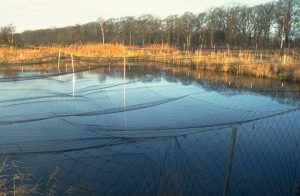
- Fish pond covers
- Agricultural shade nets
- Poultry protection nets
✔ Best overall for outdoor exposure in East Africa
2. Polypropylene (PP) Nets
Polypropylene is lightweight and affordable but less durable in extreme sunlight.
Key Properties:
- Lightweight and cheap
- Moderate strength
- Poor UV resistance unless treated
- Slight water resistance
Best Use Cases:
- Temporary fencing
- Light agricultural applications
- Short-term construction use
✔ Best for budget or temporary setups
3. Nylon Nets
Nylon is the strongest but most sensitive to environmental conditions.
Key Properties:
- Very high tensile strength
- Elastic and flexible
- Absorbs water
- Degrades faster under UV exposure
Best Use Cases:
- Fishing nets
- Heavy-duty industrial applications
- High-tension load environments
✔ Best for strength, not longevity outdoors
HOW KENYA’S CLIMATE AFFECTS NETTING MATERIALS
Nairobi (High UV + Urban Exposure)
UV exposure accelerates polypropylene and nylon breakdown, making polyethylene the most reliable choice for long-term installations.
Mombasa (Heat + Salt + Humidity)
Salt air combined with UV rays makes nylon degrade faster, while polyethylene remains stable.
Kisumu (Fishing & Aquaculture)
Nylon is strong for fishing nets but requires maintenance; polyethylene is preferred for fish pond covers.
Eldoret (Agriculture Zone)
Farmers rely heavily on polyethylene nets due to weather variability and strong sunlight exposure.
Across Uganda, Tanzania, and Rwanda, polyethylene dominates outdoor netting due to climate resilience.
COMPARISON TABLE (SIMPLIFIED)
- Polyethylene: Best UV resistance + best for outdoor use
- Polypropylene: Cheapest + lightweight but lower durability
- Nylon: Strongest + elastic but poor UV lifespan
WHICH NETTING MATERIAL SHOULD YOU CHOOSE?
Farming Applications
For crops, shade, and poultry, polyethylene is the most reliable due to superior UV resistant plastic nets performance.
Fishing Applications
Nylon is common for strength, but polyethylene is better for long-term aquaculture structures.
Construction Applications
Polypropylene is used for temporary setups, while polyethylene is preferred for safety netting.
Home & Garden Use
Polyethylene nets are ideal for weatherproofing and long-term protection.
SYNTHETIC ROPE NETTING GUIDE (PRACTICAL INSIGHT)
When selecting synthetic rope netting:
- Prioritize UV stabilization for outdoor use
- Consider water exposure (nylon absorbs water)
- Match material strength to application
- Balance cost vs lifespan
This ensures you avoid frequent replacements and structural failure.
REGIONAL USE CASES IN EAST AFRICA
- Nairobi: Balcony shading, construction safety nets
- Mombasa: Coastal farming protection and UV-heavy exposure zones
- Kisumu: Aquaculture and fishing systems
- Eldoret: Large-scale agriculture and greenhouse protection
Across Kenya, Uganda, Tanzania, and Rwanda, polyethylene remains the dominant material for long-term outdoor performance.
RELATED PRODUCTS
Here are Cougar Nets solutions that align with material selection:
- Fish Pond Cover Nets – Made primarily from durable polyethylene for long UV exposure in aquaculture.
- Anti Bird Nets – Designed for agricultural protection using UV-resistant materials.
- Circular Fish Cages – Built for strength and long-term water exposure conditions.
- Poultry Farming Nets Category – Uses polyethylene-based structures for durability.
- Fishing Nets Category – Nylon and polyethylene options depending on fishing requirements.
PEOPLE ALSO ASK
1. What is the difference between polyethylene and polypropylene nets?
Polyethylene nets offer better UV resistance and durability for outdoor use, while polypropylene nets are lighter and cheaper but degrade faster under sunlight exposure common in East Africa.
2. Is nylon good for outdoor netting?
Nylon is strong but absorbs water and degrades faster under UV exposure, making it less suitable for long-term outdoor use compared to polyethylene nets.
3. Which netting material is best for farming in Kenya?
Polyethylene is the best choice due to its excellent UV resistance, weather durability, and suitability for agricultural applications like shading and crop protection.
4. Do polypropylene nets last long in the sun?
Not unless UV-treated. In high-sun regions like Kenya, untreated polypropylene nets degrade quickly and are best for temporary use only.
5. Why is polyethylene widely used in East Africa?
Because it balances durability, UV resistance, and flexibility, making it ideal for farming, fishing, and construction applications across the region.
FAQ SECTION
1. Which netting material lasts the longest outdoors?
Polyethylene lasts the longest outdoors because it has strong UV resistance and low moisture absorption, making it ideal for Kenya’s high-sun environments.
2. Why does nylon degrade faster in sunlight?
Nylon breaks down faster due to UV sensitivity and water absorption, which weakens its molecular structure over time when exposed to outdoor conditions.
3. Can polypropylene nets be used for farming?
Yes, but mainly for short-term or budget applications. For long-term farming, polyethylene is a better investment due to durability.
4. Which material is strongest among the three?
Nylon is the strongest in terms of tensile strength, making it suitable for fishing nets and heavy-duty applications.
5. Are UV treated nets better?
Yes. UV treatment significantly improves lifespan by protecting against sunlight degradation, especially in tropical climates like East Africa.
6. What is the best material for fish farming nets?
Polyethylene is preferred for fish ponds and cages due to its water resistance and UV stability, while nylon is used for specific high-strength fishing applications.
CONTACT US
Get Your Premium Netting Solutions Today! For the best quality netting solutions for farming, construction, home, or any other project, look no further than Cougar Nets…
eTIMS Compliance: All Cougar Nets purchases are supported by valid eTIMS invoices, essential for business tax deductions in 2026. Request your tax invoice at checkout or email sales@mft.co.ke.
Get Your Premium Netting Solutions Today!
For the best quality netting solutions for farming, construction, home, or any other project, look no further than Cougar Nets. Our team of experts is ready to help you choose the perfect product for your needs.
NATIONWIDE & EAST AFRICA DELIVERY AVAILABLE
- Premium quality nets for all applications
- Professional installation and expert advice
- Bulk orders and custom solutions available
- Serving Kenya (Nairobi, Eldoret, Kisumu), Uganda, Tanzania and beyond.
Contact Us for a Quote:
Cougar Nets
Email: sales@mft.co.ke | info@cougarnets.co.ke
Phone: +254 706 903 465
Visit Us: Darosa Plaza, Karen Rd, Nairobi
Website: https://cougarnets.co.ke/