No products in the cart.
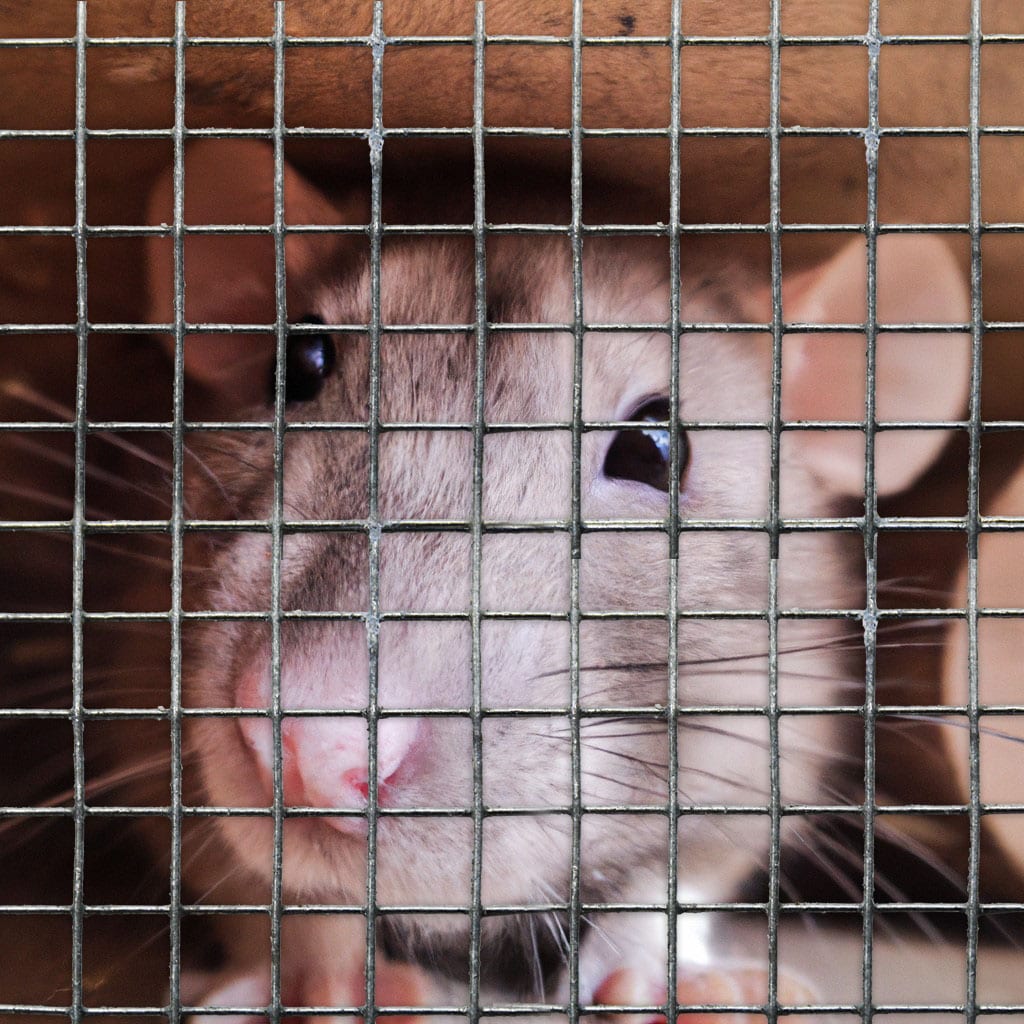
If you are experiencing rodents chewing through netting, the problem is often not installation—it is the material specification. Rats and mice have strong teeth designed to gnaw through many lightweight materials, creating entry points into poultry houses, storage areas, animal shelters, and agricultural structures.
A damaged net allows rodents to access feed, harm livestock areas, contaminate stored products, and increase maintenance costs. Choosing the correct mesh type, wire or polymer strength, and gauge is essential for long-term protection.
At Cougar Nets, farmers and businesses can access durable agricultural and protective netting solutions designed for Kenyan conditions. Explore their range of Agricultural Nets and Aquaculture Equipment or browse products through the Cougar Nets Shop.
Why Are Rodents Chewing Through Netting?
Rodents are persistent pests because their teeth continuously grow and they naturally gnaw on materials to maintain them.
Common reasons rodents damage netting include:
- Weak or thin mesh materials
- Large mesh openings
- Poor-quality plastic netting
- Exposed edges
- Easy access points around structures
If your netting is frequently damaged, replacing it with a stronger grade is usually more effective than repeated repairs.
Where Rodent Damage Happens Most
Rodents commonly target netting used in:
- Poultry houses
- Chicken runs
- Feed storage areas
- Grain stores
- Animal shelters
- Greenhouses
- Warehouses
- Farm buildings
These areas attract rodents because they provide food, shelter, and warmth.
Signs Rodents Are Damaging Your Netting
Look for these warning signs:
Chewed Holes
Small irregular openings around the bottom sections of netting often indicate rodent activity.
Damaged Edges
Rodents frequently attack corners, joints, and areas close to the ground.
Missing Feed
Reduced feed levels or scattered grain may indicate rodent access.
Droppings and Tracks
Visible signs around storage areas can confirm rodent presence.
Which Netting Grades Resist Rodent Chewing?
The best solution depends on the application, but stronger materials generally provide better resistance.
Heavy-Duty Plastic Mesh
High-quality agricultural plastic mesh can resist moderate rodent pressure when manufactured with strong polymers and suitable thickness.
Suitable for:
- Poultry areas
- Garden protection
- General farm applications
Knitted Agricultural Nets
Heavy-duty knitted nets provide improved durability compared with lightweight alternatives.
Benefits include:
- Better tear resistance
- Flexible installation
- Outdoor durability
Metal Reinforced Mesh
For areas with severe rodent pressure, stronger metal-based mesh solutions may provide greater resistance.
Common applications include:
- Storage areas
- Poultry security
- High-risk farm structures
Understanding Mesh Size and Rodent Protection
Mesh size plays an important role when preventing rodents chewing through netting.
A suitable mesh should:
- Prevent rodents from passing through
- Reduce vulnerable openings
- Maintain airflow where required
Large openings allow rodents easier access, while smaller mesh provides better exclusion.
Why Lightweight Netting Often Fails
Many farmers choose cheaper netting and later experience damage because lightweight materials may not withstand:
- Continuous chewing pressure
- Outdoor exposure
- Animal contact
- Weather conditions
A stronger initial investment often reduces replacement costs over time.
Choosing the Right Rodent-Resistant Netting
Before buying protective netting, consider:
Application
Different uses require different strength levels.
A poultry enclosure requires different specifications from a storage barrier.
Material Strength
Look for materials designed for:
- Long outdoor exposure
- Tear resistance
- Heavy use
Mesh Opening
Choose a mesh size appropriate for the pest you are trying to exclude.
UV Resistance
For outdoor applications in Kenya, UV-treated materials provide longer service life.
How to Prevent Rodent Damage Around Netting
Even strong netting works best with proper installation.
Farmers should:
- Secure the bottom edge firmly
- Remove nearby food sources
- Store feed properly
- Inspect damaged areas regularly
- Repair small holes early
- Maintain clean surroundings
Good management reduces pressure on your protective barriers.
Benefits of Using Quality Rodent-Resistant Netting
Installing the correct netting helps:
Protect Livestock Areas
Prevents unwanted access to poultry and animal spaces.
Reduce Feed Losses
Limits rodent access to stored feed.
Improve Hygiene
Reduces contamination risks around farms.
Lower Maintenance Costs
Durable materials require fewer replacements.
Other Uses of Strong Agricultural Netting
Heavy-duty netting is useful for:
- Poultry protection
- Animal shelters
- Crop protection
- Storage areas
- Fish farming applications
- Greenhouse protection
- Farm security
Why Choose Cougar Nets?
When dealing with rodents chewing through netting, selecting the right product grade makes a major difference.
Customers choose Cougar Nets because of:
- Durable agricultural netting solutions
- Quality materials
- Expert recommendations
- Competitive prices
- Nationwide delivery
- Reliable customer support
Whether you need poultry protection, farm barriers, or storage solutions, Cougar Nets provides dependable netting options for Kenyan conditions.
Browse available products through the Cougar Nets Shop.
Frequently Asked Questions
Why are rodents chewing through my netting?
Rodents chewing through netting usually happens because the material is too weak, the mesh openings are too large, or the netting is not designed for pest exclusion.
What type of netting resists rodents?
Heavy-duty agricultural nets, stronger mesh materials, and reinforced options generally provide better resistance.
Can plastic netting stop rats?
Some heavy-duty plastic meshes can resist moderate rodent pressure, but high-risk areas may require stronger materials.
What mesh size prevents rodents entering?
The correct mesh size depends on the rodent species and application. Smaller openings generally provide better protection.
Where can I buy strong agricultural netting in Kenya?
You can purchase durable agricultural and protective netting solutions from Cougar Nets.
Conclusion
If you are experiencing rodents chewing through netting, the solution is choosing a stronger grade designed for the level of protection required. Lightweight netting may fail quickly, while durable mesh materials provide better long-term security.
With quality agricultural and protective netting solutions from Cougar Nets, farmers and businesses can reduce rodent damage, protect valuable resources, and improve farm efficiency.
Contact Cougar Nets
Are you dealing with rodents chewing through netting? Cougar Nets supplies durable agricultural netting solutions designed to protect poultry, storage areas, and farming projects.
Website:
https://cougarnets.co.ke/
Agricultural Nets and Aquaculture Equipment:
https://cougarnets.co.ke/agricultural-nets-and-aquaculture-equipment/
Shop Online:
https://cougarnets.co.ke/shop/
Contact Us:
https://cougarnets.co.ke/contact-us/
Phone:
+254 706 903 465
Email:
sales@cougarnets.co.ke
Location:
Darosa Plaza, Karen Road, Nairobi, Kenya
Get Your Premium Netting Solutions Today!
For the best quality netting solutions for farming, construction, home, or any other project, look no further than Cougar Nets. Our team of experts is ready to help you choose the perfect product for your needs.
NATIONWIDE & EAST AFRICA DELIVERY AVAILABLE
- Premium quality nets for all applications
- Professional installation and expert advice
- Bulk orders and custom solutions available
- Serving Kenya (Nairobi, Eldoret, Kisumu), Ethiopia, Rwanda and beyond.
Contact Us for a Quote:
Cougar Nets
Email: sales@mft.co.ke | info@cougarnets.co.ke
Phone: +254 706 903 465
Visit Us: Darosa Plaza, Karen Rd, Nairobi
Website: https://cougarnets.co.ke/