No products in the cart.
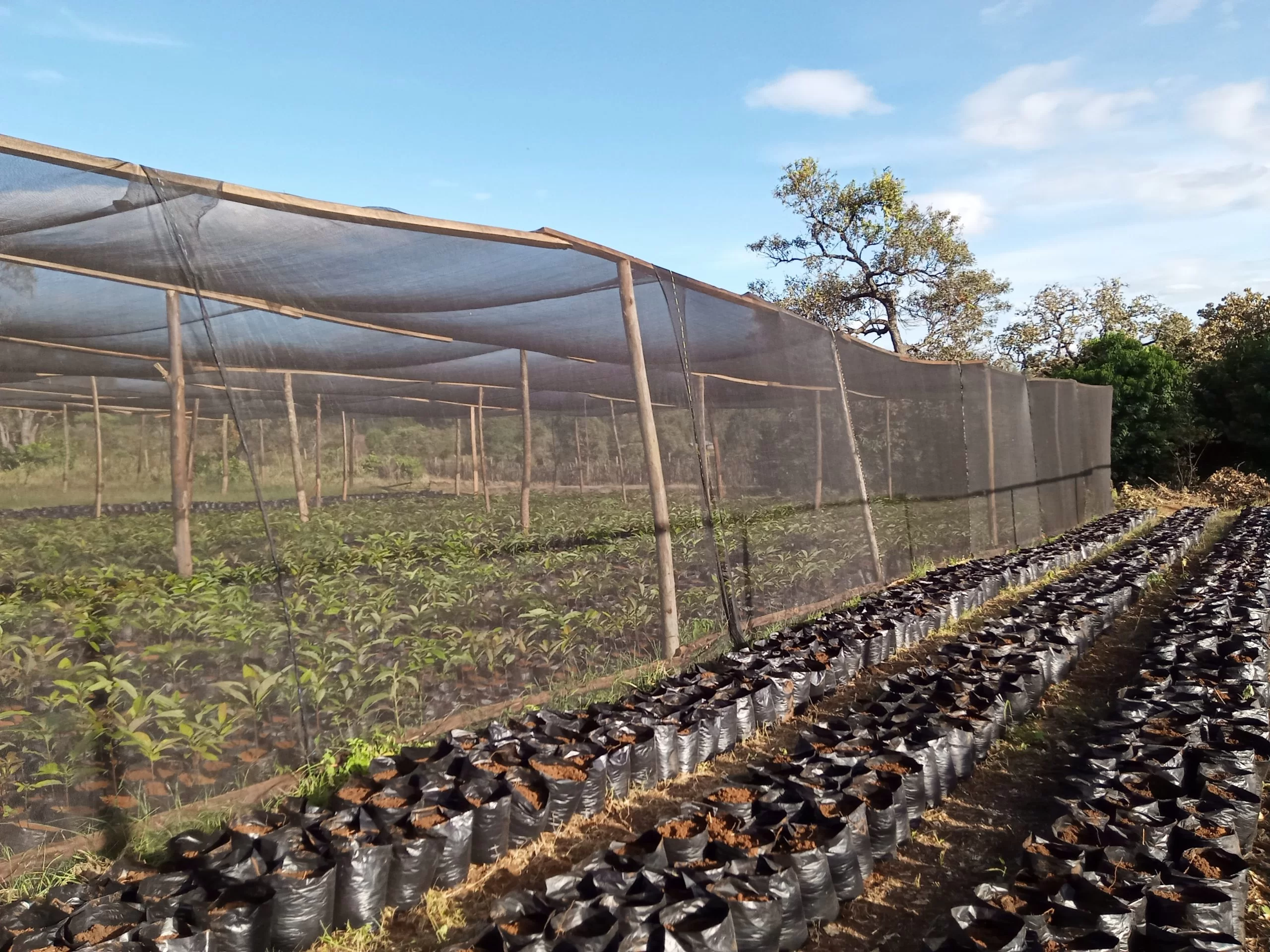
Choosing Agricultural Shade Nets Kenya for Seedlings
Producing healthy seedlings requires careful management of sunlight, temperature, moisture, and airflow. Across Kenya, farmers, tree nurseries, landscaping companies, and agricultural businesses need reliable protection systems that improve plant survival and support stronger growth.
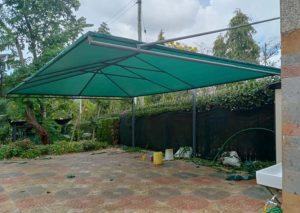
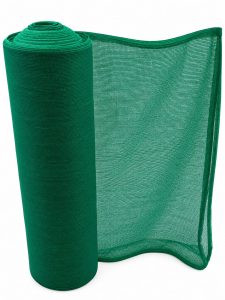
The choice between greenhouse polythene and Agricultural Shade Nets in Kenya can significantly influence seedling quality. While greenhouse polythene creates an enclosed environment by trapping heat and humidity, shade nets provide a breathable growing environment by reducing excessive sunlight while allowing natural ventilation.
Cougar Nets is a trusted supplier and industry authority providing high-quality netting solutions for farming, construction, home improvement, and commercial applications throughout Kenya and East Africa. The company supports farmers with durable agricultural products, including poultry farming solutions in Kenya, livestock protection systems, aquaculture equipment, and protective netting solutions.
From Nairobi urban nurseries to Eldoret and Rift Valley farming zones, professional growers use agricultural shade solutions to improve seedling development, reduce water loss, and create better growing conditions.
Agricultural Shade Nets Kenya vs Greenhouse Polythene: Understanding the Difference
Both agricultural shade nets and greenhouse polythene protect young plants, but they work in different ways.
Agricultural shade nets focus on controlling sunlight and improving airflow, while greenhouse polythene creates a more enclosed climate-controlled environment.
| Feature | Agricultural Shade Nets in Kenya | Greenhouse Polythene |
|---|---|---|
| Main Function | Controls sunlight exposure | Creates controlled growing conditions |
| Airflow | Allows natural ventilation | Requires ventilation systems |
| Heat Management | Reduces excessive temperatures | Can trap heat |
| Moisture Control | Allows natural evaporation | Retains humidity |
| Best For | Seedlings, nurseries, vegetables, tree farms | Intensive greenhouse farming |
| Installation Cost | Lower investment | Higher investment |
| Maintenance | Easy maintenance | Requires technical management |
| Climate Suitability | Excellent for Kenyan outdoor nurseries | Suitable for controlled environments |
For many Kenyan seedling producers, agricultural shade nets provide the ideal balance between plant protection and natural growth conditions.
Benefits of Agricultural Shade Nets Kenya for Seedlings and Nurseries
Young plants are vulnerable during their early development stages. Excessive sunlight can cause leaf damage, rapid moisture loss, and poor establishment.
Using quality agricultural shade nets creates a protective nursery environment where seedlings can develop stronger before being transplanted.
Protection Against Strong Kenyan Sunlight
Kenya experiences high solar intensity throughout many regions. Areas such as Nairobi, Nakuru, Eldoret, and parts of the Rift Valley can expose young seedlings to harsh midday sunlight.
Agricultural shade nets help farmers achieve:
- Reduced heat stress
- Lower water evaporation
- Improved seedling survival
- Better plant uniformity
- Healthier transplanting results
For tree nurseries producing fruit trees, indigenous trees, and forestry seedlings, proper shade management is essential.
How Agricultural Shade Nets Kenya Improve Farming Efficiency
Modern agriculture requires solutions that improve productivity while reducing unnecessary resource use.
Agricultural shade nets support efficient farming practices by creating a balanced environment without the complexity of a fully enclosed greenhouse.
Tree Seedling Production
Tree nurseries require seedlings that are strong enough to survive after transplantation.
Agricultural shade nets help seedlings develop:
- Stronger stems
- Healthier leaves
- Improved root establishment
- Better outdoor adaptation
They are commonly used for:
- Forestry seedlings
- Fruit tree nurseries
- Landscaping projects
- Environmental restoration programs
Vegetable Seedling Nurseries
Vegetable growers use shade protection during early plant stages to reduce heat stress.
Benefits include:
- Better germination conditions
- Improved seedling quality
- Reduced irrigation pressure
- More consistent crop establishment
Commercial Farming Operations
Large-scale farmers require durable solutions that can withstand Kenya’s changing weather conditions.
Cougar Nets provides agricultural solutions alongside other farm products, including professional poultry farming equipment in Kenya designed for commercial agricultural operations.
Greenhouse Polythene for Seedlings: Advantages and Challenges
Greenhouse polythene remains popular among intensive farmers because it provides greater environmental control.
It creates a semi-controlled growing environment by limiting exposure to external weather conditions.
Advantages of Greenhouse Polythene
Better Climate Control
Greenhouses allow growers to manage:
- Temperature
- Humidity
- Irrigation conditions
- Growing seasons
This makes them suitable for high-value crops requiring precise management.
Protection From Weather Conditions
Greenhouse structures protect seedlings from:
- Heavy rainfall
- Strong winds
- Cold temperatures
Extended Growing Periods
Farmers can continue seedling production during periods when outdoor conditions are less suitable.
Limitations of Greenhouse Polythene Compared With Agricultural Shade Nets Kenya
Although greenhouse systems provide benefits, they require careful management.
Heat Build-Up
During hot Kenyan afternoons, greenhouse temperatures can rise quickly.
Without proper ventilation, plants may experience:
- Heat stress
- Reduced growth
- Increased water requirements
This can be challenging in warmer areas such as Mombasa and coastal Kenya.
Higher Investment Requirements
Greenhouses require additional infrastructure, including:
- Supporting frames
- Polythene covers
- Ventilation systems
- Irrigation equipment
For many small and medium-scale nurseries, agricultural shade nets are a more affordable option.
Increased Technical Management
Greenhouses require monitoring of:
- Temperature
- Humidity
- Air circulation
- Water application
Shade nets provide a simpler solution for farmers who want protection with less operational complexity.
Agricultural Shade Nets Kenya or Greenhouse Polythene: Which Is Better for Tree Seedlings?
For most tree seedling nurseries, Agricultural Shade Nets Kenya provide a practical and effective growing environment because they protect plants while allowing natural airflow.
Unlike enclosed greenhouse structures, shade nets allow seedlings to gradually adjust to outdoor conditions before transplanting.
This hardening process helps develop:
- Stronger stems
- Better sunlight tolerance
- Improved survival after planting
Agricultural shade nets are especially suitable for:
- Indigenous tree nurseries
- Fruit tree production
- Landscaping businesses
- Forestry projects
- Community tree planting programs
Agricultural Shade Nets Kenya for Different Climate Regions
Kenya has diverse climates, meaning farmers must select protection solutions based on local conditions.
Nairobi Agricultural Shade Net Applications
Nairobi experiences strong sunlight and changing temperatures.
Agricultural shade nets help nurseries:
- Reduce excessive heat
- Maintain moisture levels
- Protect young plants
Urban growers and landscaping companies often use shade structures to improve seedling quality.
For additional outdoor protection solutions, farmers and homeowners can explore home and garden netting solutions from Cougar Nets.
Mombasa Coastal Seedling Nurseries
Coastal Kenya presents unique challenges:
- High temperatures
- Strong sunlight
- Humidity
- Salt exposure
UV-resistant agricultural shade nets provide long-term protection in demanding coastal environments.
Kisumu and Western Kenya Farming Areas
Warm temperatures and seasonal rainfall make ventilation important.
Agricultural shade nets help reduce moisture-related problems while protecting seedlings from excessive sunlight.
Eldoret and Rift Valley Farming Zones
The Rift Valley is one of Kenya’s most productive agricultural regions.
Agricultural shade nets support seedling production by providing protection while allowing plants to adapt before field planting.
Practical Recommendation: Agricultural Shade Nets Kenya vs Polythene
Choose Agricultural Shade Nets When You Need:
Affordable nursery protection
Natural airflow
Tree seedling production
Reduced water loss
Large-scale nursery coverage
Lower maintenance requirements
Choose Greenhouse Polythene When You Need:
Maximum climate control
Intensive crop production
Protection from cold weather
Controlled growing conditions
The correct choice depends on your crop type, location, budget, and production goals.