No products in the cart.

Raising poultry in a backyard setup has become one of the fastest-growing agricultural practices in Kenya and across East Africa. Whether for eggs, meat production, or small-scale agribusiness, many households are now investing in a backyard chicken coop as a reliable source of income and food security.
However, one of the most overlooked aspects of poultry farming is security. Without proper protection, chickens are vulnerable to predators such as dogs, snakes, mongooses, birds of prey, and even theft. This is why secure poultry fencing is not optional—it is essential.
A well-designed DIY poultry run with strong mesh fencing ensures that your birds are safe, healthy, and productive. At Cougar Nets, we specialize in durable poultry mesh solutions designed for Kenyan conditions, offering long-lasting protection against both predators and environmental stress.
This guide provides a complete checklist for building a secure backyard poultry coop using mesh fencing, ensuring safety, efficiency, and long-term cost savings.
Understanding Backyard Chicken Coop Design Basics
A backyard chicken coop is more than just a shelter—it is a controlled environment where chickens live, feed, roost, and lay eggs. A good design must balance:
- Security from predators
- Proper ventilation
- Easy cleaning and maintenance
- Adequate space for movement
- Protection from harsh weather
In Kenya, backyard poultry systems are especially vulnerable due to open environments and mixed farming setups. This makes secure poultry fencing a critical component of coop design.
You can explore durable fencing solutions here:
poultry-mesh-400g
Step 1: Choosing the Right Location for Your Poultry Coop
Location is the foundation of a successful poultry setup.
Key Considerations:
- Choose a dry, well-drained area
- Avoid flood-prone zones
- Ensure partial shade for heat control
- Maintain distance from noisy or high-traffic areas
- Position close to water and feed supply points
Proper location reduces stress and improves egg production rates significantly.
Step 2: Designing a Strong DIY Poultry Run
A DIY poultry run allows chickens to move freely while remaining protected. It is typically enclosed with mesh fencing and connected to the main coop.
Essential Design Features:
- Adequate space per bird (avoid overcrowding)
- Strong perimeter fencing
- Covered top section to prevent aerial attacks
- Secure entry gate with locking system
For additional structural reinforcement, many farmers use:
braided-rope-10mm
Step 3: Selecting Secure Poultry Fencing Materials
The most critical component of any chicken coop is the fencing system. Weak fencing leads to frequent losses and stress.
Why Poultry Mesh is the Best Choice
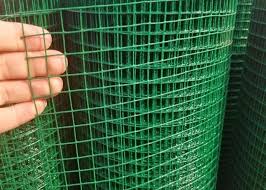
High-quality poultry mesh offers:
- Strong predator resistance
- Flexibility for different coop shapes
- Long lifespan under outdoor conditions
- Rust and weather resistance
- Easy installation for DIY farmers
A reliable option for Kenyan farmers is:
poultry-mesh-400g
This type of mesh is specifically designed for small livestock protection and backyard poultry systems.
Step 4: Building the Coop Structure
The coop itself should be sturdy and well-ventilated.
Recommended Materials:
- Timber or treated wood frames
- Wire mesh walls
- Metal roofing or waterproof sheets
- Elevated flooring (optional for hygiene)
Internal Setup:
- Nesting boxes for egg laying
- Perches for resting
- Feeders and waterers positioned securely
Good structural design reduces disease risk and improves productivity.
Step 5: Installing Secure Poultry Fencing Properly
Even the best mesh will fail if poorly installed.
Installation Checklist:
- Ensure tight tension across all sides
- Bury mesh at least 20–30 cm underground to prevent digging predators
- Use strong support posts at regular intervals
- Secure all joints and overlaps properly
- Avoid sharp edges that may injure birds
For better fastening strength, farmers often use:
braided-rope-10mm
Step 6: Predator Protection Strategies
In Kenya, common poultry predators include dogs, snakes, and wild birds.
Protection Methods:
- Fully enclosed fencing (including top cover)
- Reinforced mesh at ground level
- Night-time coop locking
- Regular inspection of weak points
Combining mesh fencing with strong design ensures maximum survival rates.
Step 7: Feeding and Watering System Setup
Efficient feeding systems reduce waste and contamination.
Best Practices:
- Use elevated feeders
- Keep water containers clean and covered
- Separate feeding zones from nesting areas
- Avoid overcrowding around feeding points
Proper feeding infrastructure improves growth rates and egg production.
Step 8: Hygiene and Maintenance Checklist
A clean coop is essential for disease prevention.
Weekly Maintenance Tasks:
- Remove droppings and waste
- Clean feeders and waterers
- Inspect mesh fencing for damage
- Check for predator entry points
- Replace worn-out materials
Regular maintenance extends the life of your poultry system.
Step 9: Expanding Your Poultry System
Once your backyard chicken coop is stable, you can scale operations.
Expansion Options:
- Increase flock size gradually
- Add separate brooders for chicks
- Introduce automated feeding systems
- Expand DIY poultry run space
For multi-purpose farming systems, farmers also integrate:
trellis-net-kenya
Step 10: Cost vs Quality Decision in Poultry Fencing
Many farmers face the decision between cheap fencing and durable mesh systems.
Cheap Fencing:
- Low upfront cost
- Frequent repairs
- Poor predator resistance
- Short lifespan
Secure Poultry Fencing (Premium Mesh):
- Higher initial investment
- Long-term durability
- Strong predator protection
- Reduced replacement costs
In the long run, quality mesh significantly reduces farming losses and improves profitability.
Benefits of a Well-Built Backyard Chicken Coop
A properly designed system provides:
- Higher egg production
- Reduced mortality rates
- Better feed conversion efficiency
- Lower disease incidence
- Improved farm management control
Secure poultry systems directly contribute to sustainable backyard farming success.
Why Cougar Nets is Trusted for Poultry Fencing in Kenya
Cougar Nets provides durable, UV-resistant, and farm-tested netting solutions designed for Kenyan conditions.
Explore our solutions:
cougarnets
poultry-mesh-400g
braided-rope-10mm
trellis-net-kenya
Our focus is on delivering long-term value, ensuring farmers reduce losses and improve productivity through reliable protection systems.
Conclusion: A Secure Coop is the Foundation of Profitable Poultry Farming
Building a successful backyard chicken coop is not just about shelter—it is about security, structure, and sustainability. A well-planned system with secure poultry fencing and a properly designed DIY poultry run ensures your birds remain safe, productive, and healthy.
While cheaper alternatives may seem attractive initially, they often lead to higher losses and increased replacement costs. Investing in quality poultry mesh is ultimately the smartest decision for any serious backyard poultry farmer in Kenya.