No products in the cart.
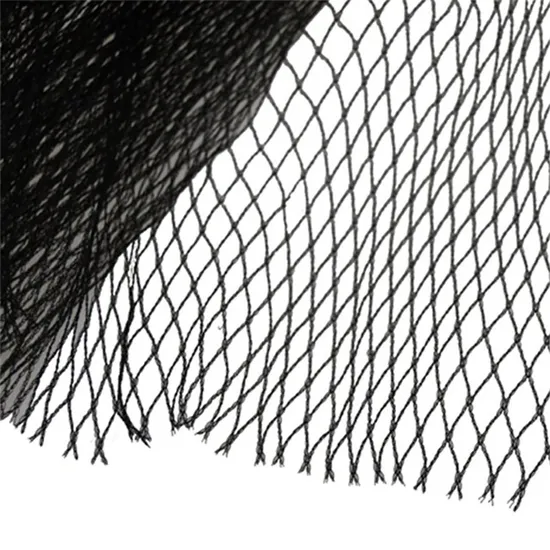
Bird net mesh size determines which bird species can be blocked from crops, ponds, poultry areas and commercial farms. In Kenya and East Africa, choosing the correct mesh opening is critical because a 20mm bird net may stop larger pest birds such as weavers while smaller birds like sunbirds can still pass through.
Why Bird Net Mesh Size Matters for Kenyan Farms
Bird damage is one of the most common challenges affecting fruit growers, vegetable farmers and poultry operators across Kenya. From weaver birds attacking grain and fruit farms to smaller birds damaging high-value crops, the correct bird net mesh size can determine whether a protection system succeeds or fails.
Many farmers purchase bird nets based only on appearance, colour or price. However, the mesh opening measured in millimetres (mm) is the most important factor when matching a net to a specific bird species.
A bird net designed for weavers may not stop sunbirds. A net suitable for poultry protection may not provide enough protection for commercial fruit farms.
The right selection depends on:
- Target bird species
- Crop type
- Farm location
- Bird size
- Installation method
- Required durability
In Kenya, farms in areas such as Murang’a, Kiambu, Nyeri, Meru, Nakuru and Eldoret require different approaches because bird pressure varies depending on crops, climate and surrounding ecosystems.
Cougar Nets supplies professional netting solutions for farming, construction, home and industrial applications across Kenya and East Africa. Farmers can explore agricultural netting solutions in Kenya for crop protection systems designed for different environments.
Bird Net Mesh Size: Understanding the Right Protection Level
Bird net mesh size refers to the measurement of the openings between net strands. Smaller mesh sizes block smaller birds, while larger mesh sizes allow more airflow but may allow smaller species to pass through.
Selecting the correct mesh size requires understanding the relationship between:
- Mesh opening
- Bird body size
- Beak size
- Behaviour patterns
- Crop vulnerability
A common mistake is assuming that one bird net works for every situation.
For example:
- A 25mm mesh may stop large birds but allow smaller birds through.
- A 20mm mesh may control weavers but fail against some smaller species.
- A 15mm mesh provides tighter protection for smaller birds.
How Bird Net Mesh Size Determines Which Birds Are Blocked
The effectiveness of bird netting depends on matching mesh dimensions with the size and behaviour of the problem bird species. The smaller the target bird, the smaller the required mesh opening.
Birds that damage crops in Kenya include:
- Weaver birds
- Mousebirds
- Sunbirds
- Starlings
- Doves
- Sparrows
Each species creates different challenges.
Weaver Birds
Weaver birds are common agricultural pests in many parts of Kenya.
They often attack:
- Grain crops
- Fruit farms
- Vegetable farms
A suitable bird net mesh size can prevent them from entering protected areas.
Mousebirds
Mousebirds are smaller and flexible.
They commonly affect:
- Fruit trees
- Orchards
- Horticultural crops
A mesh size that blocks weavers may not always provide complete mousebird protection.
Sunbirds
Sunbirds are much smaller and can access spaces that larger birds cannot.
They may target:
- Flowers
- Nectar-producing crops
- Fruit plantations
Farmers dealing with sunbirds require a finer mesh design.
Bird Net Mesh Size Guide: 15mm vs 20mm vs 25mm
The most common bird net mesh sizes used in agriculture are 15mm, 20mm and 25mm. The correct choice depends on the bird species being controlled and the level of crop protection required.
| Bird Net Mesh Size | Best Use | Bird Protection Level |
|---|---|---|
| 15mm mesh | Small bird protection | Blocks smaller species |
| 20mm mesh | General agricultural protection | Controls medium-sized birds |
| 25mm mesh | Larger bird control | Allows more airflow |
15mm Bird Net Mesh
A 15mm mesh is suitable where smaller birds are causing damage.
Advantages:
- Better exclusion of small birds
- Suitable for high-value crops
- Stronger protection coverage
Common applications:
- Fruit farms
- Nurseries
- Vegetable production
20mm Bird Net Mesh
A 20mm mesh is one of the most popular agricultural options.
It provides a balance between:
- Protection
- Airflow
- Visibility
- Cost
It is commonly used against:
- Weaver birds
- Larger pest birds
However, farmers should understand that 20mm bird net mesh size may not stop smaller birds such as some sunbird species.
25mm Bird Net Mesh
A 25mm mesh provides wider openings.
Benefits:
- Better airflow
- Lower material weight
- Easier installation
Suitable for:
- Larger bird problems
- General farm protection
It is less suitable where smaller birds are the main concern.
Why 20mm Bird Net Mesh Size Stops Weavers but Not Sunbirds
A 20mm bird net mesh size works well against larger birds because their body size prevents entry through the openings. However, smaller birds with narrow bodies can sometimes pass through larger mesh openings.
This difference explains why some farmers still experience bird damage after installing netting.
The problem is not always the net quality.
It may be the wrong mesh specification.
Example: Fruit Farm Protection
A mango farmer in Murang’a may install 20mm netting to prevent weaver birds.
The system may successfully block:
- Larger weavers
- Doves
- Starlings
However, smaller birds may still access:
- Flowers
- Young fruit
- Nectar sources
A smaller mesh would provide improved exclusion.
Choosing Bird Net Mesh Size for Different Kenyan Crops
The correct bird net mesh size depends on the crop being protected, because different crops attract different bird species. High-value crops require more precise mesh selection to prevent losses.
Avocado Farms
Kenya’s avocado industry has expanded significantly, especially in:
- Murang’a
- Kiambu
- Meru
- Nyeri
Bird damage affects:
- Fruit quality
- Market appearance
- Export value
Farmers should select mesh based on the specific birds affecting the orchard.
Strawberry and Vegetable Farms
Small fruits and vegetables attract:
- Small birds
- Insects
- Other pests
A finer mesh may provide better protection.
Grain Farms
Crops such as:
- Maize
- Wheat
- Sorghum
often experience pressure from:
- Weavers
- Seed-eating birds
A suitable bird net mesh size helps reduce crop losses.
Bird Net Mesh Size vs Shade Net: Are They the Same?
Bird nets and shade nets serve different purposes. Bird net mesh size focuses on excluding animals, while shade nets control sunlight, temperature and crop stress.
| Feature | Bird Net | Shade Net |
|---|---|---|
| Main purpose | Bird exclusion | Sun control |
| Mesh design | Designed around bird size | Designed around shade percentage |
| Protection type | Physical barrier | Climate management |
| Common use | Orchards and farms | Greenhouses and nurseries |
Farmers should avoid using shade nets as a replacement for bird protection systems.
For farms needing additional crop environment control, Cougar Nets provides shade nets for agricultural applications.
Bird Net Mesh Size Installation Guide for Kenyan Farms
Correct installation is essential for bird net mesh size performance because even the right mesh can fail if gaps, loose edges or poor support structures allow birds to enter. A properly installed bird net creates a continuous barrier that protects crops without restricting airflow and farm operations.
Selecting the correct mesh is only the first step. The installation process determines how effectively the net prevents bird entry.
A professional bird net installation should consider:
- Coverage area
- Crop height
- Support structure
- Wind exposure
- Access points
- Maintenance requirements
Poor installation can create weak points where birds enter.
Common installation problems include:
- Open edges
- Loose net sections
- Incorrect tension
- Gaps around poles and structures
- Damaged fixing points
How to Install Bird Net Mesh Size Systems Correctly
A successful bird protection system requires proper measurements, strong supports and secure fixing. The selected bird net mesh size should be maintained consistently across the entire protected area.
Step 1: Identify the Bird Problem
Before installation, determine:
- Which birds are causing damage
- When they attack crops
- Which areas are most affected
For example:
- Weaver birds may attack during fruiting seasons.
- Sunbirds may target flowering crops.
- Small birds may enter through larger mesh openings.
Understanding the problem ensures the correct mesh selection.
Step 2: Measure the Protection Area
Accurate measurements help determine:
- Required net quantity
- Support requirements
- Installation cost
Consider:
- Field dimensions
- Tree height
- Greenhouse size
- Access points
Step 3: Install Strong Support Structures
Bird nets require stable support.
Common support materials include:
- Galvanised poles
- Timber posts
- Wire frames
- Supporting cables
The structure should withstand:
- Wind pressure
- Rain loads
- Long-term outdoor exposure
Step 4: Secure All Edges
Birds often enter through openings at the edges.
Secure:
- Ground contact points
- Corners
- Door openings
- Connection areas
A small gap can reduce the effectiveness of the entire system.
Bird Net Mesh Size Mistakes Farmers Should Avoid
Many bird netting failures happen because farmers choose the wrong mesh size or install the system incorrectly. Understanding common mistakes helps prevent crop losses and unnecessary replacement costs.
Mistake 1: Choosing Mesh Based Only on Price
A cheaper net may appear attractive but may not solve the bird problem.
Farmers should consider:
- Bird species
- Crop value
- Expected lifespan
- Installation requirements
Mistake 2: Using 20mm Mesh for Every Bird Problem
A 20mm bird net mesh size is useful for many applications, but it is not a universal solution.
It may stop:
- Weaver birds
- Larger pest birds
But smaller birds may still pass through.
Mistake 3: Ignoring Bird Behaviour
Birds behave differently depending on:
- Food availability
- Crop season
- Nesting patterns
- Farm surroundings
A technical mesh choice should consider actual bird behaviour.
Mistake 4: Installing Without Regular Checks
Over time, nets can develop:
- Tears
- Loose sections
- Weak attachment points
Regular inspection keeps the system effective.
Best Bird Net Mesh Size for Fruit Farms in Kenya
Fruit farms require careful bird net mesh size selection because damaged fruit affects quality, market value and export opportunities. The right mesh protects crops while maintaining airflow and sunlight conditions.
Kenya’s fruit-growing regions include:
- Murang’a
- Kiambu
- Meru
- Nyeri
- Embu
Important fruit crops include:
- Avocado
- Mangoes
- Passion fruit
- Berries
Avocado Protection
Avocado farmers face challenges from birds damaging:
- Young fruit
- Mature fruit surfaces
- Flowers
Bird protection helps maintain:
- Export quality
- Market value
- Consistent harvests
Mango Protection
Mango farms may experience bird pressure during ripening.
A suitable bird net system reduces:
- Fruit pecking
- Premature losses
- Quality problems
Bird Net Mesh Size for Greenhouses and Horticultural Farms
Greenhouse and horticultural operations require precise bird net mesh size selection because crops are often high-value and sensitive to damage. Fine mesh protection helps maintain controlled growing environments.
Commercial horticulture in Kenya depends on quality control.
Bird nets are used around:
- Greenhouses
- Nurseries
- Flower farms
- Vegetable production areas
Benefits include:
- Reduced bird damage
- Better crop consistency
- Improved production reliability
For farmers combining bird protection with other agricultural solutions, Cougar Nets offers products such as poultry farming netting solutions for different agricultural applications.
Bird Net Mesh Size for Poultry and Livestock Applications
Bird net mesh size is also important in poultry and livestock systems where protection, ventilation and animal safety must be balanced. The correct mesh prevents unwanted birds while maintaining healthy airflow.
Poultry farms may use netting for:
- Free-range poultry areas
- Chicken housing
- Predator control
- Ventilation barriers
The selected mesh should consider:
- Bird size
- Predator risks
- Farm layout
- Environmental conditions
A suitable system helps improve:
- Farm hygiene
- Animal management
- Security
Bird Net Mesh Size and Kenya Climate Conditions
Kenya’s climate affects bird net performance because farms experience different combinations of sunlight, rain, wind and humidity. Selecting durable netting materials improves long-term performance across different regions.
Highland Areas
Regions such as:
- Nyeri
- Meru
- Nakuru
- Eldoret
experience:
- Strong sunlight
- Cooler temperatures
- Seasonal rainfall
Farmers should consider:
- UV resistance
- Strong materials
- Proper installation
Coastal Areas
Mombasa and coastal farms experience:
- High humidity
- Salt exposure
- Strong sunlight
Netting systems should be selected for:
- Weather resistance
- Long-term outdoor use
Bird Net Mesh Size Comparison: Agricultural vs General Nets
Agricultural bird nets are designed specifically for crop protection, while general-purpose nets may not provide the same level of durability or species-specific protection. Professional farming applications require purpose-built solutions.
| Feature | Agricultural Bird Net | General Netting |
|---|---|---|
| Mesh selection | Designed for bird species | General purpose |
| UV resistance | Usually prioritised | Varies |
| Crop protection | High | Limited |
| Outdoor lifespan | Longer | Depends on material |
Farmers should select products based on the protection requirement rather than appearance alone.
For additional outdoor netting solutions, customers can explore PVC coated rabbit nets in Kenya for durable farm enclosure applications.
Professional Recommendation: Match Bird Net Mesh Size to the Problem
The most effective bird protection system starts with identifying the exact bird species causing damage. The correct bird net mesh size provides targeted protection without unnecessary material costs.
Before ordering, farmers should confirm:
- Bird species involved
- Crop type
- Protection area
- Installation method
- Expected lifespan
A professional supplier can recommend a suitable solution based on real farm conditions.
For customised recommendations, farmers and businesses can contact Cougar Nets for custom netting solutions.
Bird Net Mesh Size Buying Guide: How to Choose the Right Net in Kenya
Choosing the correct bird net mesh size requires understanding the target bird species, crop type and farm conditions. A well-selected mesh size reduces crop losses, improves protection efficiency and avoids unnecessary spending on unsuitable netting.
Before buying a bird net, farmers should evaluate the complete protection requirement rather than selecting the first available option.
A reliable buying decision should consider:
- Bird species causing damage
- Crop value
- Farm size
- Installation environment
- UV exposure
- Expected service life
A commercial avocado farm protecting export-quality fruit will require a different solution compared with a small vegetable garden.
Bird Net Mesh Size Selection Guide by Bird Species
The best bird net mesh size depends on the size and behaviour of the bird species being controlled. Larger birds require wider mesh protection, while smaller birds require finer mesh openings to prevent entry.
| Bird Species | Recommended Mesh Consideration | Common Damage |
|---|---|---|
| Weaver birds | 15mm–20mm depending on risk | Grain and fruit damage |
| Mousebirds | Smaller mesh preferred | Fruit pecking |
| Sunbirds | Fine mesh required | Flower and small fruit damage |
| Doves | Medium mesh options | Seed and crop damage |
| Sparrows | Smaller mesh protection | Vegetable and grain losses |
Farmers should remember that bird size alone is not the only factor.
Bird behaviour matters because some smaller birds are able to squeeze through openings that appear too small.
Bird Net Mesh Size Cost Factors in Kenya
Bird net mesh size pricing in Kenya depends on mesh specification, material quality, UV protection, roll dimensions and installation requirements. The cheapest option is not always the most economical because poor protection can result in crop losses.
Several factors affect the final investment.
1. Mesh Size
Smaller mesh usually requires:
- More material
- Higher manufacturing precision
- Greater coverage density
This can influence cost.
2. Material Quality
High-quality agricultural bird nets provide:
- Better strength
- Improved UV resistance
- Longer outdoor lifespan
3. Farm Coverage Area
Large commercial farms require:
- More netting material
- More support structures
- More installation work
4. Installation Method
Costs may include:
- Support poles
- Cables
- Fasteners
- Labour
- Maintenance access points
A complete bird protection system should be evaluated as a long-term investment.
Bird Net Mesh Size vs Other Pest Protection Methods
Bird nets provide a physical barrier that directly prevents bird access, making them one of the most reliable crop protection methods. Other methods may reduce bird activity but often provide inconsistent results.
| Protection Method | Advantages | Limitations |
|---|---|---|
| Bird netting | Physical exclusion | Requires correct installation |
| Scare devices | Easy setup | Birds may adapt |
| Chemical repellents | Temporary control | Requires repeated application |
| Visual deterrents | Low cost | Limited effectiveness |
For commercial farming, physical protection is usually preferred because it provides continuous coverage.
Bird Net Mesh Size Maintenance Guide
Regular maintenance ensures that bird net mesh size systems continue performing effectively throughout the farming season. Small tears and loose sections should be repaired quickly to prevent birds from entering.
A maintenance routine should include:
Monthly Inspection
Check for:
- Holes
- Loose edges
- Damaged sections
- Weak attachment points
After Storms
Heavy rain and wind can cause:
- Structural movement
- Tears
- Loose fixing points
Inspect immediately after severe weather.
Seasonal Checks
Before fruiting or harvest periods:
- Confirm complete coverage
- Repair damaged areas
- Tighten loose sections
Bird Net Mesh Size for Commercial Farming in East Africa
Commercial farms across East Africa require durable bird protection systems because crop losses can affect production targets and market supply. Correct mesh selection helps farmers protect valuable crops in different environments.
Across Kenya, Uganda, Tanzania and Rwanda, farmers use bird nets for:
- Fruit production
- Horticulture
- Seed farms
- Nurseries
- Poultry operations
Different regions face different challenges.
Kenya
Major applications include:
- Avocado farms in Central Kenya
- Vegetable farms in Rift Valley
- Fruit farms in Eastern regions
Uganda
Farmers may require bird protection for:
- Banana plantations
- Fruit production
- Vegetable farming
Tanzania and Rwanda
Bird netting supports:
- Commercial agriculture
- Protected farming
- High-value crop production
People Also Ask: Bird Net Mesh Size Questions
What bird net mesh size is best for weaver birds?
A 15mm to 20mm bird net mesh size is commonly considered for controlling weaver birds, depending on the farm conditions and the level of protection required. The final selection should consider crop type and the size of birds causing damage.
Will 20mm bird net stop all birds?
No. A 20mm bird net mesh size can stop many medium and larger birds, including weavers, but smaller birds such as some sunbirds may still pass through. Smaller mesh sizes provide better protection against tiny bird species.
What is the difference between 15mm and 20mm bird net mesh?
A 15mm mesh provides tighter protection and is better for smaller birds, while a 20mm mesh offers a balance between protection, airflow and cost. The correct choice depends on the bird species affecting the farm.
Can bird nets protect avocado farms in Kenya?
Yes. Bird nets are widely used in avocado-growing regions to reduce fruit damage and maintain quality. Farmers should select mesh sizes based on the bird species affecting their orchards.
Do bird nets reduce pollination?
Properly selected bird nets can protect crops while allowing necessary airflow and environmental conditions. Farmers should choose mesh designs suitable for their crop and farming system.
How long do agricultural bird nets last?
The lifespan depends on UV protection, material quality, installation and maintenance. UV-resistant nets generally provide longer outdoor performance in Kenyan conditions.
Can bird nets be customised for large farms?
Yes. Commercial farms often require customised netting solutions based on crop layout, coverage area and protection requirements.
Get Your Premium Netting Solutions Today!
Get Your Premium Netting Solutions Today! For the best quality netting solutions for farming, construction, home, or any other project, look no further than Cougar Nets. Our team of experts is ready to help you choose the perfect product for your needs.
NATIONWIDE & EAST AFRICA DELIVERY AVAILABLE ✔ Premium quality nets for all applications ✔ Professional installation and expert advice ✔ Bulk orders and custom solutions available ✔ Serving Kenya (Nairobi, Eldoret, Kisumu), Uganda, Tanzania, Rwanda, South Sudan, Ethiopia and beyond.
Contact Us for a Quote:
Cougar Nets
Email: sales@cougarnets.com | info@cougarnets.com
Phone: +254 706 903 465
Visit Us: Darosa Plaza, Karen Rd, Nairobi
Website: https://cougarnets.co.ke/