No products in the cart.

Chicken Nets in Kenya is one of the most popular agricultural activities in Kenya, providing income opportunities for small-scale farmers, commercial producers, and agribusiness investors. However, successful poultry production depends on more than just feeding chickens and providing shelter. One of the most important investments every poultry farmer should consider is installing reliable Chicken Nets in Kenya to protect birds, improve farm management, and create a secure environment for healthy growth.
Many poultry farmers experience losses caused by predators, uncontrolled movement of birds, diseases, theft, and poor housing conditions. Without proper protection, chickens are exposed to risks that can reduce productivity and increase operational costs. Quality poultry netting provides an effective solution by creating secure chicken runs, separating different bird groups, protecting chicks, and improving overall farm hygiene.
At Cougar Nets, farmers across Kenya and East Africa can access durable netting solutions designed for agricultural applications. Whether you operate a backyard poultry project or a large commercial chicken farm, choosing the right poultry netting can significantly improve your farming results.
This guide explains why investing in high-quality Chicken Nets in Kenya is essential, the different types available, their benefits, applications, installation considerations, and how to choose the best solution for your poultry farming needs.
The Importance of Chicken Nets in Kenya Poultry Industry
Kenya’s poultry sector continues to grow as demand for eggs, meat, and improved food security increases. Farmers are adopting better farming methods to increase production efficiency and protect their investments.
A chicken coop alone is not always enough protection. Birds require secure outdoor spaces where they can move freely while remaining protected from external threats. This is where poultry nets become essential.
Quality chicken nets serve several important purposes:
- Protecting chickens from predators
- Preventing birds from escaping
- Creating controlled free-range environments
- Separating breeding areas
- Improving farm organization
- Reducing losses caused by external threats
- Supporting healthier poultry management practices
A strong poultry netting system acts as a barrier between your flock and potential dangers while allowing proper ventilation and sunlight exposure.
Common Challenges Faced by Poultry Farmers Without Proper Netting
Predator Attacks
Predators are among the biggest threats faced by poultry farmers. Animals such as dogs, cats, snakes, rodents, and wild birds can enter poorly protected chicken areas and cause significant losses.
Traditional fencing methods may leave gaps that predators can exploit. Quality poultry netting creates a stronger protective barrier around chicken houses and outdoor runs.
Using durable materials such as galvanized or plastic-coated mesh helps farmers create long-lasting protection without frequent repairs.
Chicken Escaping and Poor Farm Control
Free-range poultry farming requires proper boundaries. Without suitable chicken nets, birds may wander into neighboring farms, roads, gardens, or unsafe areas.
This creates several problems:
- Difficulty managing the flock
- Increased risk of accidents
- Higher chances of disease exposure
- Time wasted searching for missing birds
Installing professional poultry fencing allows farmers to provide freedom of movement while maintaining control.
Disease Management Problems
Biosecurity is a major concern in poultry farming. Uncontrolled movement of chickens increases exposure to contaminated areas, wild birds, and other animals that may carry diseases.
A properly enclosed poultry area helps farmers:
- Control access to chicken zones
- Reduce contact with wild animals
- Maintain cleaner farming conditions
- Separate sick and healthy birds
Quality netting is therefore not only a security investment but also a disease prevention measure.
Types of Chicken Nets in Kenya Available for Poultry Farming
Different poultry operations require different types of netting solutions. The right choice depends on factors such as farm size, chicken breed, location, and whether the birds are kept indoors or outdoors.
Plastic Poultry Mesh for Chicken Housing and Runs
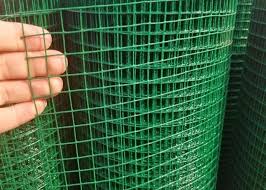
Plastic poultry mesh is one of the most commonly used solutions for chicken farmers because it is lightweight, flexible, and easy to install.
Cougar Nets supplies durable plastic poultry mesh suitable for poultry enclosures, chick protection, and farm separation.
Farmers can explore the available poultry mesh solution here:
Advantages of plastic poultry mesh include:
- Rust resistance
- Lightweight design
- Easy handling
- Long service life
- Safe edges that reduce bird injuries
- Suitable for different poultry systems
Plastic mesh is especially useful for small and medium-scale farmers looking for affordable but effective poultry protection.
Anti-Bird Nets for Poultry Protection
Wild birds can create serious problems in poultry farms by competing for feed and potentially introducing diseases.
Anti-bird nets provide additional protection by preventing unwanted birds from entering poultry areas.
Cougar Nets offers agricultural protection solutions such as:
These nets can be useful for:
- Chicken houses
- Poultry feeding areas
- Hatchery protection
- Farm storage areas
By limiting contact between domestic chickens and wild birds, farmers can improve biosecurity.
PVC Coated Mesh for Stronger Poultry Boundaries
For farmers requiring stronger fencing systems, coated mesh options provide additional durability.
PVC-coated fencing solutions are resistant to weather conditions and can provide a more permanent enclosure.
For related livestock fencing applications, Cougar Nets provides:
This type of fencing can be suitable for farms that keep multiple animals or require stronger perimeter protection.
Benefits of Using Quality Chicken Nets in Kenya
1. Protection Against Predators
The primary advantage of installing quality chicken nets is improved flock security.
Strong poultry netting creates a physical barrier that reduces the risk of predator attacks. This is especially important for farmers who keep chickens outdoors or operate free-range systems.
A secure enclosure gives farmers confidence that their birds are protected throughout the day and night.
2. Better Poultry Management
Managing hundreds or thousands of birds requires organization. Chicken nets help farmers divide their farms into different sections.
For example, farmers can create separate areas for:
- Chicks
- Layers
- Broilers
- Breeding birds
- Sick birds
- Feeding zones
This improves efficiency and makes daily farm activities easier.
3. Improved Chicken Welfare
Healthy chickens require adequate space, ventilation, and protection.
Quality poultry nets allow birds to move naturally while keeping them safe. Unlike solid barriers, nets allow airflow and sunlight, creating a more comfortable environment.
Better living conditions can contribute to improved bird health and productivity.
4. Cost Savings Over Time
Cheap, low-quality fencing often requires frequent replacement due to weather damage, rust, or physical weakness.
Investing in durable chicken nets reduces long-term maintenance costs.
A quality poultry netting system provides:
- Longer lifespan
- Fewer repairs
- Better protection
- Reduced bird losses
For commercial farmers, these savings can have a significant impact on profitability.
Choosing the Right Chicken Nets for Your Farm
Selecting the correct poultry netting requires careful consideration of several factors.
Consider the Type of Poultry Operation
Different farming systems require different solutions.
Small Backyard Poultry Farming
Small farmers may need lightweight mesh for chicken runs, gardens, and small enclosures.
Commercial Poultry Farms
Large-scale farms require stronger and more durable systems capable of protecting large numbers of birds.
Free-Range Chicken Farming
Free-range farmers need fencing solutions that provide space while maintaining security.
Consider Mesh Size
Mesh size determines what can pass through the net.
Smaller mesh openings are suitable for:
- Chicks
- Young birds
- Predator prevention
Larger mesh openings may work better for:
- Mature chickens
- Large outdoor areas
- General enclosure purposes
Choosing the correct mesh size prevents unnecessary problems.
Consider Material Quality
Common poultry net materials include:
HDPE Plastic Nets
High-density polyethylene nets are popular because they are:
- Lightweight
- UV-resistant
- Waterproof
- Durable
Metal Mesh
Metal fencing offers strength but requires proper coating to prevent corrosion.
The best choice depends on your budget, farm conditions, and expected lifespan.
HDPE Plastic Nets vs Metal Chicken Wire: Which Is Better?
Many farmers compare plastic poultry nets with traditional metal chicken wire.
Plastic Poultry Nets
Advantages:
- Do not rust
- Easy installation
- Lightweight
- Flexible
- Low maintenance
Disadvantages:
- May not suit areas with extreme physical pressure
Metal Chicken Wire
Advantages:
- Strong structure
- Suitable for permanent fencing
- Resistant to animal damage
Disadvantages:
- Can rust without proper treatment
- Heavier installation requirements
For many Kenyan poultry farmers, high-quality plastic poultry mesh offers an excellent balance between affordability, durability, and convenience.
How to Install Chicken Nets for Poultry Farms
Proper installation determines how effective your poultry netting will be.
Step 1: Plan the Poultry Area
Before installation, determine:
- The size of the enclosure
- Number of chickens
- Entry points
- Feeding areas
- Shelter locations
Good planning prevents material wastage.
Step 2: Install Strong Support Posts
Posts should be placed firmly into the ground to support the netting.
Depending on the farm setup, farmers may use:
- Wooden posts
- Metal poles
- Concrete supports
The spacing between posts depends on the type of net being installed.
Step 3: Secure the Net Properly
The net should be attached tightly to prevent gaps.
Farmers can use accessories such as durable tying materials.
Cougar Nets supplies reliable rope solutions suitable for various agricultural applications:
Step 4: Inspect Regularly
Regular inspection helps identify:
- Loose sections
- Damage
- Weak points
- Open gaps
Early repairs prevent larger problems.
Maintenance Tips for Long-Lasting Poultry Nets
Quality chicken nets require minimal maintenance, but proper care extends their lifespan.
Clean Regularly
Remove accumulated dirt, feathers, and organic materials.
Check for Damage
Inspect areas exposed to:
- Animals
- Weather
- Human activity
Maintain Fence Tension
Loose nets can create openings where chickens escape or predators enter.
Replace Damaged Sections
Small repairs are cheaper than replacing an entire enclosure.
Why Choose Cougar Nets for Chicken Nets in Kenya?
Cougar Nets is a trusted supplier of professional netting solutions for agriculture, construction, and specialized applications across Kenya and East Africa.
The company provides quality products designed for different farming environments, helping farmers protect their investments with reliable solutions.
Benefits of choosing Cougar Nets include:
- Quality agricultural netting products
- Expert guidance on selecting suitable solutions
- Durable materials suitable for Kenyan conditions
- Support for small and large farming projects
- Delivery solutions across Kenya and East Africa
Farmers looking for reliable netting solutions can visit:
For product guidance, pricing, and customized solutions, contact Cougar Nets:
Other Agricultural Nets That Support Modern Farming
Beyond chicken nets, modern farmers use various agricultural netting solutions to improve productivity.
These include:
Shade Nets for Poultry and Agricultural Applications
Shade nets help regulate temperature and provide protection from harsh sunlight.
Learn more:
They are useful for:
- Poultry shelters
- Greenhouses
- Animal resting areas
- Crop protection
The Future of Chicken Nets in Kenya
As Chicken Nets in Kenya becomes more commercialized, farmers are increasingly adopting better infrastructure and professional management practices.
Quality chicken nets will continue playing an important role in:
- Improving farm security
- Supporting free-range systems
- Reducing losses
- Improving animal welfare
- Increasing profitability
Investing in proper poultry infrastructure is one of the smartest decisions farmers can make when building sustainable operations.
Conclusion: Invest in Quality Chicken Nets in Kenya for Better Poultry Farming Results
Successful Chicken Nets in Kenya requires proper planning, quality equipment, and effective protection systems. Installing reliable Chicken Nets in Kenya helps farmers protect their birds, improve management, and reduce unnecessary losses.
Whether you operate a small Chicken Nets in Kenya project or a commercial chicken farm, choosing durable netting provides long-term value and peace of mind.
Cougar Nets offers dependable Chicken Nets in Kenya solutions designed for Kenyan farmers and businesses across East Africa. With expert advice, quality products, and customized solutions, farmers can create safer and more productive poultry environments.
Get Your Premium Netting Solutions Today!
For the best quality netting solutions for farming, construction, home, or any other project, look no further than Cougar Nets. Our team of experts is ready to help you choose the perfect product for your needs.
NATIONWIDE & EAST AFRICA DELIVERY AVAILABLE
✔ Premium quality nets for all applications
✔ Professional installation & expert advice
✔ Bulk orders & custom solutions available
✔ Serving Tanzania, Rwanda, Kenya (Nairobi, Eldoret, Nakuru), Uganda, South Sudan & beyond.
Contact Us for a Quote:
Cougar Nets
Email: sales@cougarnets.com | info@cougarnets.com
Phone: +254 706 903 465
Visit Us: Darosa Plaza, Karen Rd, Nairobi
Website: https://cougarnets.co.ke/