No products in the cart.

Circular Fish Cages vs. Earthen Ponds: Which is Better for Tilapia Farming in Kenya?
Tilapia farming has become one of the fastest-growing aquaculture ventures in Kenya, driven by rising local demand for affordable protein and government initiatives supporting fish farming under programs like the Economic Stimulus Programme. With increasing interest among farmers, one of the most important decisions any aquaculturist must make is the choice between circular fish cages and earthen ponds.
While both systems can produce healthy and profitable fish, they differ significantly in cost, efficiency, and scalability. For those seeking a modern and sustainable solution, circular fish cage Kenya models have emerged as a powerful alternative to traditional earthen ponds—especially for farmers near natural water bodies such as lakes, reservoirs, and large dams.
This article provides a detailed comparison between the two systems, exploring their advantages, challenges, and how to choose the right one for your tilapia farm. It also highlights how using high-quality fish cage net material and harvesting nets from Cougar Nets can help you achieve better fish survival rates, faster growth, and improved profitability.
Understanding the Two Systems
What Are Circular Fish Cages?
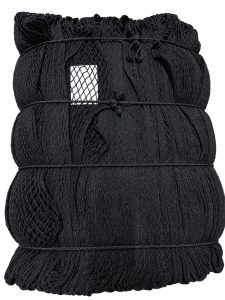
A circular fish cage is a floating or suspended enclosure, typically made from durable frames and high-density fish cage net material. It confines fish in open water, allowing them to live in a natural environment while ensuring controlled feeding and harvesting.
Circular cages are highly efficient because water continuously flows through them, providing a constant supply of oxygen and removing waste. These systems are widely used in Kenya’s major aquaculture zones around Lake Victoria, Sagana, and Masinga Dam.
What Are Earthen Ponds?
Earthen ponds are artificial water enclosures dug into the ground, lined with clay or other materials to retain water. They are ideal for areas with suitable soil conditions and water availability. Farmers often use ponds for fingerling rearing, grow-out, or integrated fish farming systems that combine aquaculture with crop or livestock production.
Key Differences Between Circular Fish Cages and Earthen Ponds
To make an informed decision, it’s important to analyze how the two systems perform in crucial areas like water quality, oxygen availability, feeding efficiency, disease management, and harvesting convenience.
1. Water Quality and Oxygen Levels
In earthen ponds, water quality can deteriorate quickly due to waste buildup, algae growth, and stagnant zones, especially if not properly aerated. Maintaining oxygen balance often requires artificial aeration equipment such as an aerator pump for ponds.
By contrast, circular fish cages benefit from natural water circulation. Continuous flow brings in fresh oxygen while removing waste, minimizing the need for artificial aeration. This not only enhances fish growth but also reduces mortality rates caused by low oxygen.
For fish farmers operating near large water bodies, this makes circular cages far more sustainable and cost-effective in the long run.
2. Feeding and Growth Efficiency
Feeding in earthen ponds can be inconsistent. Uneaten feed often sinks to the bottom, where it decomposes and consumes oxygen, harming water quality.
In circular cages, feeding is more efficient and controlled. Farmers can easily monitor feed uptake and adjust rations accordingly. The constant water flow ensures uneaten feed disperses naturally, reducing waste accumulation.
Tilapia in cages also exhibit better feed conversion ratios (FCR), meaning they convert feed into body weight more efficiently than those in ponds.
3. Disease and Predation Control
Earthen ponds are more susceptible to parasites, snails, and bacterial infections due to stagnant water and organic buildup. Predators such as birds and amphibians can also threaten fish survival. Installing fish pond cover nets or anti-bird nets helps reduce these risks.
However, circular fish cages offer better biosecurity. They are raised off the pond bottom, reducing contact with sediments and pathogens. Furthermore, high-quality fish cage net material prevents predator access and ensures fish are safely contained.
Cougar Nets provides UV-stabilized netting that resists tearing, UV degradation, and biofouling—essential features for long-term cage performance.
4. Harvesting and Management
Harvesting in earthen ponds is often labor-intensive. Draining the pond or using seine nets can disturb the pond bed, stress the fish, and reduce survival rates.
Cage systems, on the other hand, make harvesting easier and faster. Farmers can lift the cages or use harvesting nets to selectively remove mature fish without draining water or disturbing the habitat. This controlled harvesting improves fish quality and reduces handling stress.
5. Cost and Infrastructure
Earthen ponds are generally cheaper to establish if the soil and terrain are favorable. However, they require periodic maintenance—such as de-silting, repairing embankments, and managing seepage losses.
Circular fish cages have a higher initial investment because of the cage frame, floatation rings, mooring ropes, and fish cage net material. Yet, their long-term operating costs are lower, and they allow year-round production cycles without draining or re-excavation.
Farmers who use braided rope (10mm) and PVC tarpaulin (650 GSM) from Cougar Nets can ensure durable installations that withstand waves and rough conditions.
6. Space Utilization and Scalability
Ponds are limited by land availability. Once you use up all suitable land, expanding production becomes difficult.
Cages allow farmers to utilize open water, meaning scalability depends only on available water surface area. You can easily add more cages as production grows. For farmers near lakes or dams, this makes circular fish cage Kenya systems the best option for expansion without buying more land.
7. Environmental Impact
Poorly managed earthen ponds can cause soil erosion, water contamination, and nutrient runoff. They may also consume valuable farmland that could otherwise support crops.
Cage systems, especially those made with high-quality netting like Cougar Nets’ fish cage net material, are designed for minimal environmental impact. The flow-through design disperses waste naturally, and the materials are UV-resistant and long-lasting, reducing replacement frequency and plastic waste.
Advantages of Circular Fish Cages in Kenya
-
Continuous Water Flow: Natural oxygenation enhances fish health.
-
Higher Stocking Density: Cages support more fish per cubic meter compared to ponds.
-
Reduced Land Dependency: Ideal for regions with limited farmland.
-
Ease of Management: Simplified feeding, monitoring, and harvesting.
-
Faster Growth Rates: Optimal water quality encourages higher feed intake.
-
Better Disease Control: Less contact with sediments reduces bacterial infections.
-
Sustainability: Reusable and durable cage systems save long-term costs.
Advantages of Earthen Ponds
-
Lower Initial Cost: Suitable for beginners with limited capital.
-
Easier Fingerling Production: Natural pond conditions favor breeding.
-
Integration with Agriculture: Can combine with crop irrigation or livestock manure use.
-
Simplicity: No need for floating structures or mooring systems.
Challenges with Each System
Earthen Ponds:
-
Require more maintenance and regular desilting.
-
Risk of water seepage and poor drainage.
-
Difficult to control diseases and predators.
-
Depend heavily on consistent rainfall or irrigation.
Circular Cages:
-
Higher setup cost.
-
Require reliable water body access.
-
Exposure to strong currents if not properly anchored.
-
Dependence on high-quality fish cage net material for durability.
Cougar Nets provides all the necessary netting and accessories to address these challenges, including fish cage net material, ropes, and protective cover nets for secure and efficient setups.
How to Set Up a Circular Fish Cage in Kenya
-
Site Selection: Choose a clean, deep, and well-oxygenated water body with minimal pollutants and strong yet manageable current.
-
Cage Frame Installation: Use durable HDPE or galvanized steel frames with floatation rings.
-
Attach Netting: Secure high-quality fish cage net material to the frame using UV-resistant twine or braided rope.
-
Anchor the Cage: Use concrete blocks or anchors to prevent drifting.
-
Stocking and Feeding: Introduce healthy fingerlings and feed regularly with floating pellets.
-
Maintenance: Clean nets frequently to remove algae and ensure free water flow.
Adding protective fish pond cover nets helps shield against predators and debris.
Which System Is Better for Tilapia Farming in Kenya?
For smallholder farmers with limited access to open water and moderate capital, earthen ponds remain practical. They offer flexibility and support integrated farming systems.
However, for farmers seeking higher yields, efficiency, and scalability, circular fish cages are the superior choice. Their design promotes continuous water flow, better oxygenation, and faster growth. With Kenya’s expanding aquaculture market and increasing demand for fresh fish, cage farming provides the competitive advantage needed to meet supply gaps sustainably.
When equipped with high-quality netting and accessories from Cougar Nets, circular cage systems can outperform traditional ponds in both productivity and longevity.
Expert Tips for Maximizing Productivity
-
Regularly inspect your fish cage net material for tears or fouling to maintain water circulation.
-
Monitor dissolved oxygen with portable meters, especially during warm weather.
-
Practice good feed management to reduce waste and control water quality.
-
Clean your harvesting nets after each use to prevent disease transmission.
-
Rotate cage positions periodically in large water bodies to prevent sediment accumulation.
Using accessories like PVC tarpaulin covers and cargo netting can also protect equipment and simplify harvesting operations.
Final Thoughts
Both circular fish cages and earthen ponds have their place in Kenyan aquaculture. The best choice depends on your resources, site location, and production goals.
If you aim for higher productivity, easier management, and sustainable growth, investing in circular fish cage Kenya systems is the future. Combined with premium-quality fish cage net material and harvesting nets from Cougar Nets, farmers can achieve consistent harvests, healthier fish, and maximum returns.
Cougar Nets remains committed to supporting aquaculture professionals with top-quality, long-lasting materials tailored for East African conditions.
Get Your Premium Netting Solutions Today!
For the best quality netting solutions for farming, construction, home, or any other project, look no further than Cougar Nets. Our team of experts is ready to help you choose the perfect product for your needs.
NATIONWIDE & EAST AFRICA DELIVERY AVAILABLE
Premium quality nets for all applications
Professional installation & expert advice
Bulk orders & custom solutions available
Serving Kenya (Nairobi, Mombasa, Kisumu), Uganda, Tanzania, Rwanda & beyond.
Contact Us for a Quote:
Cougar Nets
Email: sales@cougarnets.com | info@cougarnets.com
Phone: +254 706 903 465
Visit Us: Darosa Plaza, Karen Rd, Nairobi
Website: https://cougarnets.co.ke/