No products in the cart.

Fish farming in Kenya is evolving rapidly, with farmers exploring more efficient and profitable aquaculture methods. Two popular systems are traditional ponds and circular fish cages. Understanding the differences between these approaches, their benefits, challenges, and cost implications is essential for optimizing production.
Circular fish cages are gaining attention for their durability, ease of management, and higher yields per unit area. In this guide, we compare circular fish cages Kenya to traditional ponds, focusing on key factors such as growth rates, maintenance, water quality management, and profitability. By the end of this article, farmers will have the knowledge to choose the best aquaculture system for their operation.
What Are Circular Fish Cages?
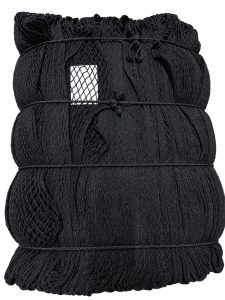
Circular fish cages are enclosed structures made from nets and supported by frames that float on water. They allow fish to grow in controlled conditions while taking advantage of natural water bodies like lakes, reservoirs, and rivers. Cougar Nets provides Fish Cage Net Material designed specifically for these cages, ensuring durability, UV resistance, and predator protection.
Advantages of circular cages include:
-
Efficient use of water space
-
Easier monitoring and feeding
-
Reduced labor for harvesting
-
Enhanced oxygen flow due to water circulation
Circular cages can be made in various sizes and mesh densities depending on the type of fish and farm requirements. They are ideal for tilapia, catfish, and other species common in Kenya.
Overview of Traditional Ponds
Traditional ponds are excavated or lined basins where fish are cultured. They can be small backyard ponds or large commercial setups. Lining ponds with PVC tarpaulin, like PVC Tarpaulin 650 GSM, helps prevent seepage and maintains water quality.
Key characteristics of ponds:
-
Fixed boundaries and controlled water depth
-
Easier integration with aeration and feeding systems
-
Better suited for intensive and semi-intensive management
-
Can accommodate multiple fish species
Ponds require regular maintenance, including water quality monitoring, debris removal, and predator control using Fish Pond Cover Nets.
Circular Fish Cages vs Traditional Ponds: Detailed Comparison
| Feature | Circular Fish Cages | Traditional Ponds |
|---|---|---|
| Space Efficiency | High – can float in lakes/reservoirs | Limited – fixed size |
| Water Flow | Natural circulation improves oxygen | Requires aeration pumps like Aerator Pumps |
| Setup Cost | Moderate – cage materials and floats | High – excavation, lining, and infrastructure |
| Maintenance | Easy – nets can be cleaned and repaired | Requires pond cleaning, water quality monitoring |
| Fish Growth & Yield | Faster – better oxygenation and water exchange | Slower – depends on pond management |
| Predator Protection | Netted structure reduces losses | Needs cover nets or fencing |
| Harvesting | Simple – nets can be lifted | Labor-intensive – draining or netting needed |
Benefits of Circular Fish Cages
-
Increased Yield per Area: Fish in cages benefit from natural water currents and better oxygenation.
-
Reduced Labor: Feeding, monitoring, and harvesting are simpler compared to ponds.
-
Flexibility: Cages can be relocated to optimize water conditions or avoid poor weather.
-
Lower Risk of Disease Spread: Better water circulation reduces stagnation, lowering disease risk.
-
Cost-Effective Expansion: Adding new cages is easier than excavating new ponds.
Challenges of Circular Fish Cages
While cages are efficient, they also come with challenges:
-
Dependence on suitable water bodies like lakes or rivers
-
Initial investment in durable nets and floats
-
Potential for water pollution if feeding is unmanaged
-
Need for regular inspection of nets and supports to prevent escapes
When Traditional Ponds Are Better
Traditional ponds still hold advantages in certain situations:
-
Backyard or small-scale farms without access to lakes
-
Multi-species farming where separation is needed
-
Intensive aquaculture systems with integrated aeration and feeding
-
When precise water depth and management is essential
Ponds offer a controlled environment that is less dependent on natural water flow, which can be an advantage in dry seasons.
How to Choose the Right System in Kenya
Factors to consider:
-
Water Availability: If you have access to a large, clean water body, circular cages are ideal.
-
Farm Size: Small-scale farmers may prefer ponds, while commercial farmers can scale cages efficiently.
-
Species: Some fish species perform better in cages due to space and water exchange.
-
Budget: Cages have moderate setup costs but easier expansion. Ponds require higher upfront investment.
-
Management Skills: Cages are easier for monitoring, while ponds require more intensive water management.
Equipment Required for Circular Cages
-
Fish Cage Nets: Durable and UV-resistant for structural integrity (Cougar Nets Fish Cage Net)
-
Floats and Frames: To maintain cage shape and position in water
-
Feeding Equipment: Automated or manual feeders for consistent nutrition
-
Aerators (if water is stagnant): Aerator Pumps
-
Predator Protection: Optional overhead nets for birds
Installation and Maintenance Tips
-
Cage Placement: Ensure water depth is adequate, avoid areas with strong currents or heavy debris.
-
Net Tension: Keep nets taut to prevent sagging and ensure fish containment.
-
Cleaning: Remove algae and fouling regularly to maintain water quality.
-
Inspection: Check for wear, UV damage, or holes frequently.
-
Seasonal Adjustments: Move cages or adjust depths during dry or rainy seasons to optimize conditions.
Conclusion
Circular fish cages and traditional ponds both have advantages and challenges. Circular fish cages Kenya are ideal for farmers looking to maximize yield, simplify management, and expand quickly, particularly in natural water bodies. Traditional ponds remain relevant for controlled environments and multi-species setups.
Investing in the right equipment—such as fish cage nets, aerators, and cover nets—ensures that whichever system you choose, your farm operates efficiently and profitably.
Cougar Nets provides high-quality, durable fish farming equipment suitable for both circular cages and ponds, helping Kenyan farmers increase production and maximize profit.
Call to Action
Get Your Premium Fish Farming Equipment Today!
For the best quality nets, cages, and aquaculture equipment in Kenya, trust Cougar Nets. Our experts will help you select the perfect solutions for your fish farming needs.
NATIONWIDE & EAST AFRICA DELIVERY AVAILABLE
-
Premium quality nets for all applications
-
Professional installation and expert advice
-
Bulk orders and custom solutions available
-
Serving Kenya (Nairobi, Mombasa, Kisumu), Uganda, Tanzania, Rwanda, and beyond
Contact Us for a Quote:
Cougar Nets
Email: sales@cougarnets.co.ke | info@cougarnets.co.ke
Phone: +254 706 903 465
Visit Us: Darosa Plaza, Karen Rd, Nairobi
Website: https://cougarnets.co.ke/