No products in the cart.
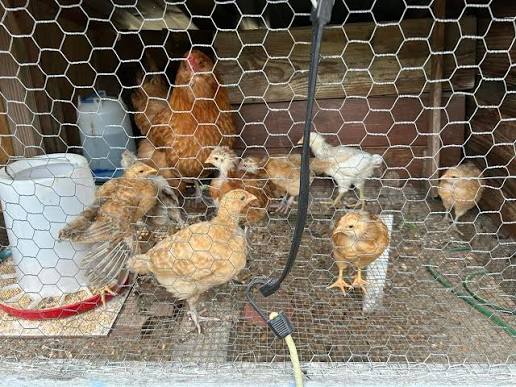
Whether you are building a new poultry unit or upgrading an existing one, understanding the cost to net a poultry house is essential for successful project planning. Many farmers only compare the price of the mesh, overlooking other important costs such as posts, fixings, labour, and installation accessories.
A well-planned poultry house protects birds from predators, improves ventilation, reduces disease risks, and helps create a safer production environment. However, choosing low-quality netting simply because it has the lowest price can result in frequent repairs, higher maintenance costs, and early replacement.
The cost to net a poultry house should always be evaluated based on the overall quality of the materials rather than the initial purchase price alone.
Across Kenya and East Africa, poultry farmers in Nairobi, Eldoret, Kisumu, and Mombasa face different environmental conditions. Farms in hot areas require UV-resistant netting, while coastal poultry houses need materials that can withstand high humidity and changing weather conditions.
At Cougar Nets, we supply poultry farming nets and equipment in Kenya for smallholder farmers, commercial poultry producers, agricultural institutions, and large-scale farming projects. Our team helps customers select the right netting based on flock size, poultry house design, and environmental conditions.
What Is the Cost to Net a Poultry House in Kenya?
The cost to net a poultry house is the total investment required to enclose or protect a poultry structure using suitable netting materials and installation components.
Many first-time poultry farmers assume that only the mesh contributes to the overall cost. In reality, a complete poultry netting project usually includes several materials and services.
Typical cost components include:
- Poultry netting or mesh
- Timber or steel support posts
- Fasteners and fixing accessories
- Support wires or cables
- Gates or access points
- Labour and installation
- Transport and delivery
Understanding these components helps farmers prepare realistic budgets and avoid unexpected expenses during installation.
What Factors Affect the Cost to Net a Poultry House?
Several factors influence the cost to net a poultry house, and each should be considered before requesting quotations.
How Netting Material Affects the Cost to Net a Poultry House
The type of netting you choose has one of the biggest impacts on your project budget.
Common poultry netting materials include:
- Polyethylene poultry netting
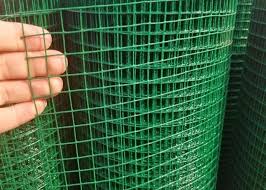
- PVC-coated wire mesh
- Plastic poultry mesh
- Galvanised wire mesh
- Heavy-duty agricultural netting
Each material offers different levels of durability, flexibility, UV resistance, and maintenance requirements.
For example, poultry houses in high-sunlight areas such as Nairobi and parts of the Rift Valley benefit from UV-stabilised netting that maintains its strength over time.
Farmers looking for durable livestock solutions can also explore PVC coated rabbit nets in Kenya, which are suitable for various animal housing applications.
How Mesh Size Changes the Cost to Net a Poultry House
Mesh size is another important factor that affects the cost to net a poultry house.
The correct mesh opening depends on:
- Bird age
- Poultry breed
- Predator risks
- Ventilation requirements
- Farm location
Smaller mesh openings provide greater protection against predators and wild birds, while larger mesh openings improve airflow but may not suit every poultry system.
Choosing the right mesh size helps balance safety, ventilation, and project costs.
How Posts and Fixings Influence the Cost to Net a Poultry House
Many poultry farmers focus only on netting prices and forget to budget for support structures.
A complete poultry enclosure normally requires:
- Treated timber posts or steel poles
- Support wires
- Tensioning accessories
- Staples or clips
- Cable ties
- Corner reinforcement
- Gates
High-quality support structures improve the lifespan of the netting by maintaining proper tension and reducing unnecessary strain.
How Labour Affects the Cost to Net a Poultry House
Labour costs vary depending on:
- Poultry house size
- Site accessibility
- Installation complexity
- Ground preparation
- Number of workers required
Simple backyard poultry projects generally require less labour than large commercial poultry farms housing hundreds or thousands of birds.
Professional installation can also reduce future maintenance by ensuring the net is fixed securely and evenly.
Cost to Net a Poultry House: Materials Checklist
Before requesting quotations, prepare a list of the materials required for your project.
| Item | Purpose |
|---|---|
| Poultry netting | Main enclosure and protection |
| Support posts | Structural support |
| Wire or cable | Reinforces the netting |
| Fasteners | Secure the net to posts |
| Gate materials | Controlled access |
| Installation tools | Proper fixing and tensioning |
Having a detailed materials list makes it easier to compare supplier quotations on an equal basis rather than focusing only on the mesh price.
Why the Cheapest Quote May Increase the Cost to Net a Poultry House
Many farmers choose the lowest quotation without comparing material specifications.
However, a cheaper quotation may include:
- Lightweight netting
- Lower-quality materials
- Fewer installation accessories
- Limited UV resistance
- Shorter expected lifespan
A higher-quality netting system may have a higher upfront cost but often provides better long-term value through improved durability and reduced maintenance.
Before making a purchase, compare not only the price but also the material specifications, GSM, mesh size, UV protection, and installation requirements. You can also browse premium netting solutions in Kenya to compare products designed for agricultural, livestock, and commercial applications.