No products in the cart.
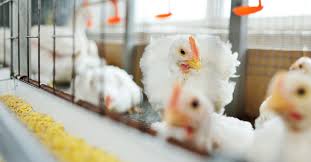
Farm biosecurity Kenya refers to the set of preventive measures used to protect poultry from disease and contamination, especially from wild birds that can spread infections. Bird proof poultry houses use specialized chicken farm nets to block wild bird entry while maintaining airflow and light. In Kenya, especially in high-density poultry regions like Nairobi, Kisumu, and Rift Valley, poultry netting is a critical biosecurity tool for reducing disease outbreaks and improving flock health.
Introduction
Farm biosecurity Kenya is one of the most important aspects of modern poultry farming, especially as disease outbreaks caused by wild bird contamination continue to affect productivity across East Africa. Wild birds such as pigeons, sparrows, and crows can carry diseases that spread quickly through chicken populations.
In Kenya’s major poultry farming regions—including Nairobi, Mombasa, Kisumu, and Eldoret—farmers are increasingly adopting bird proof poultry houses using chicken farm nets to protect flocks from contamination, improve hygiene, and reduce mortality rates.
Cougar Nets provides high-quality poultry netting solutions designed specifically for farm biosecurity, helping farmers build safer and more productive poultry systems.
Explore poultry solutions here: Poultry Farming Products
Browse all netting solutions: Shop Cougar Nets
Understanding Farm Biosecurity in Kenya
Farm biosecurity refers to all measures taken to prevent disease entry and spread within poultry farms.
Why Biosecurity Matters
In Kenya, poultry farms face risks from:
- Wild birds (pigeons, sparrows, crows)
- Contaminated feed and water
- Human movement between farms
- Poor housing design
Wild birds are especially dangerous because they:
- Carry avian influenza pathogens
- Contaminate feed and water sources
- Spread parasites and bacteria
Role of Poultry Netting in Farm Biosecurity
Chicken farm nets play a critical role in preventing wild bird contamination by physically blocking access to poultry houses.
How Poultry Netting Improves Biosecurity
- Prevents wild birds from entering poultry houses
- Reduces direct contact with infected droppings
- Protects feed and water from contamination
- Limits disease transmission pathways
In modern Kenyan poultry systems, netting is considered a first-line biosecurity barrier.
Types of Bird Proof Poultry Houses in Kenya
Fully Enclosed Poultry Houses
- Entire structure covered with fine mesh
- Maximum protection from wild birds
- Ideal for commercial farms
Semi-Enclosed Systems
- Netting used on windows and ventilation points
- Allows airflow while blocking birds
- Common in medium-scale farms
Free-Range Protected Systems
- Outdoor chicken runs covered with overhead netting
- Combines natural movement with biosecurity control
- Popular in rural Kenya
Benefits of Farm Biosecurity Netting in Kenya
Disease Prevention
Bird proof poultry houses significantly reduce:
- Avian influenza risk
- Newcastle disease spread
- Bacterial contamination
Improved Productivity
Healthy chickens result in:
- Higher egg production
- Better weight gain in broilers
- Reduced mortality rates
Feed Protection
Wild birds often contaminate feed. Netting ensures:
- No feed loss
- No contamination from droppings
- Better feed conversion efficiency
Cleaner Farm Environment
Biosecurity netting reduces:
- Foul odors
- Waste contamination
- Parasite spread
Best Poultry Netting for Farm Biosecurity in Kenya
| Material Type | Protection Level | UV Resistance | Best Use |
|---|---|---|---|
| Nylon Mesh | Medium | High | Backyard farms |
| PVC-Coated Mesh | High | Very High | Commercial farms |
| Galvanized Mesh | Very High | High | Permanent structures |
PVC-coated and UV-stabilized nets are most recommended for Kenyan conditions due to strong sunlight and humidity variations.
Regional Biosecurity Needs in Kenya
Nairobi Poultry Farms
High-density urban farming requires strict bird proof poultry houses to prevent disease spread.
Mombasa Coastal Farms
Humidity increases disease risk, making PVC-coated netting essential for hygiene control.
Kisumu & Western Kenya
High rainfall and open farming systems increase wild bird interaction risks.
Eldoret & Rift Valley Farms
Large commercial farms require combined fencing and full enclosure biosecurity systems.
Installation Guide for Poultry Biosecurity Netting
Step-by-Step Process
- Assess poultry house layout
- Identify all entry points for birds
- Install support poles or frames
- Stretch netting tightly over openings
- Secure all edges using wire or clips
- Seal gaps around doors and ventilation areas
Proper installation is critical for effective biosecurity.
Common Biosecurity Mistakes in Kenyan Poultry Farms
Leaving Open Ventilation Gaps
Small openings allow wild birds to enter and contaminate feed areas.
Using Weak Netting Materials
Low-quality nets tear easily, reducing biosecurity effectiveness.
Ignoring Feed Storage Protection
Exposed feed attracts wild birds and increases contamination risk.
Poor Maintenance
Damaged netting that is not repaired creates entry points for disease carriers.
Farm Biosecurity vs Traditional Poultry Housing
| Feature | Biosecurity Netting | Traditional Housing |
|---|---|---|
| Disease Protection | High | Low |
| Wild Bird Control | Excellent | Poor |
| Ventilation | Good | Moderate |
| Cost Efficiency | High long-term value | Variable |
| Hygiene Control | Strong | Weak |
Best Practices for Poultry Biosecurity in Kenya
- Install full bird proof poultry houses
- Keep feed and water covered
- Limit human movement between poultry houses
- Regularly disinfect poultry areas
- Monitor wild bird activity around farms
These practices align with modern agricultural safety standards in Kenya and East Africa.
People Also Ask
What is farm biosecurity in poultry farming?
Farm biosecurity refers to preventive measures used to protect poultry from diseases by controlling access, hygiene, and environmental exposure, especially from wild birds and contaminated materials.
How do poultry nets prevent disease in Kenya?
Poultry nets block wild birds from entering chicken houses, reducing contact with contaminated droppings and lowering the risk of disease transmission.
What are bird proof poultry houses?
Bird proof poultry houses are enclosed structures fitted with fine mesh netting that prevents wild birds from entering while maintaining airflow and light.
Why is biosecurity important in Kenya poultry farming?
It is important because it reduces disease outbreaks, improves production efficiency, and protects farmers from financial losses due to poultry mortality.
FAQ Section
Why do Kenyan poultry farms need biosecurity netting?
Kenyan farms need biosecurity netting to prevent wild bird contamination, which can spread diseases such as avian influenza and Newcastle disease among poultry flocks.
Can poultry netting stop all disease outbreaks?
While it significantly reduces risk, biosecurity netting must be combined with hygiene practices, vaccination, and proper farm management for full protection.
What is the best netting for bird proof poultry houses?
PVC-coated or galvanized mesh is the best option because it is durable, UV-resistant, and highly effective at blocking wild birds.
How long does poultry biosecurity netting last?
Depending on material quality, it can last between 5–10 years with proper installation and maintenance.
Is poultry netting necessary for backyard farms?
Yes, even small backyard farms in Kenya are vulnerable to wild bird contamination and should use netting for protection.
Contact Section
Get Your Premium Netting Solutions Today! For the best quality netting solutions for farming, construction, home, or any other project, look no further than Cougar Nets. Our team of experts is ready to help you choose the perfect product for your needs.
NATIONWIDE & EAST AFRICA DELIVERY AVAILABLE
✔ Premium quality nets for all applications
✔ Professional installation and expert advice
✔ Bulk orders and custom solutions available
✔ Serving Kenya (Nairobi, Eldoret, Kisumu), Uganda, Tanzania, Rwanda, South Sudan, Ethiopia and beyond.
Contact Us for a Quote:
Cougar Nets
Email: sales@cougarnets.com | info@cougarnets.com
Phone: +254 706 903 465
Visit Us: Darosa Plaza, Karen Rd, Nairobi
Website: Cougar Nets Contact