No products in the cart.

Farming mistakes in Kenya often stem from poor planning, improper crop protection, and lack of climate-specific strategies. By using high-quality netting solutions, proper farm management practices, and modern agricultural techniques, farmers can significantly increase yields and reduce losses. Cougar Nets provides UV-stabilized solutions tailored for East African farming conditions.
Understanding Farming Mistakes in Kenya
Farming mistakes Kenya farmers commonly make can lead to reduced yields, crop losses, and wasted investment. Agriculture remains the backbone of Kenya’s economy, yet many farmers—both small-scale and commercial—struggle due to avoidable errors.
At Cougar Nets, we have worked with farmers across Nairobi, Eldoret, Kisumu, and the wider East African region, helping them improve productivity through modern netting solutions and expert guidance. This guide explores the most common farming mistakes and provides practical, proven solutions tailored to local conditions.
Poor Farm Planning and Site Selection
One of the biggest farming mistakes Kenya farmers make is starting without a clear plan. Many jump into farming without analyzing soil quality, water availability, or climate suitability.
Key Issues:
- Ignoring soil testing
- Choosing crops unsuitable for the region
- Lack of irrigation planning
Solution:
- Conduct soil testing before planting
- Select crops suited to your climate zone
- Install protective systems like shade nets
High-quality shade nets help regulate temperature and sunlight, especially in high UV regions like Nairobi.
Lack of Proper Crop Protection
Crop damage from pests, birds, and insects is a major issue across Kenya. Many farmers underestimate the importance of physical protection.
Common Mistakes:
- Not using protective nets
- Over-reliance on pesticides
- Poor pest monitoring
Effective Solutions:
- Use anti-bird nets to prevent crop destruction
- Install insect nets to block harmful pests
- Apply 80% GSM shade nets for optimal sunlight control
These solutions significantly reduce losses while minimizing chemical use.
Overwatering or Underwatering Crops
Water mismanagement is a critical farming mistake Kenya farmers frequently encounter.
Problems:
- Overwatering leads to root rot
- Underwatering causes stunted growth
- Poor irrigation systems
Best Practices:
- Use drip irrigation systems
- Monitor soil moisture levels
- Combine irrigation with shade nets to reduce evaporation
Ignoring Climate and Environmental Factors
Kenya’s climate varies significantly—from the cool highlands of Eldoret to the hot coastal regions of Mombasa.
Mistakes Include:
- Planting at the wrong season
- Ignoring extreme heat or heavy rains
- Lack of protective infrastructure
Solutions:
- Use construction shade nets for temporary farm structures
- Install windbreaks
- Monitor seasonal weather patterns
UV-stabilized nets are essential for long-term durability in Kenya’s high UV conditions.
Poor Livestock and Poultry Management
Livestock farmers also face significant challenges due to poor housing and protection systems.
Common Errors:
- Overcrowding
- Poor ventilation
- Lack of predator protection
Recommended Solutions:
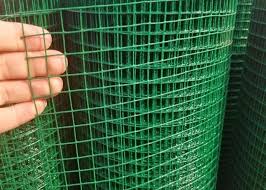
- Install poultry mesh for secure enclosures
- Improve airflow and hygiene
- Use durable fencing materials
Proper mesh systems improve animal health and reduce losses.
Neglecting Aquaculture Protection Systems
Fish farming is growing rapidly in Kenya, but many farmers lose stock due to poor protection.
Mistakes:
- Leaving ponds exposed to predators
- Poor oxygenation
- Lack of monitoring systems
Solutions:
- Use fish pond cover nets to prevent bird attacks
- Install aerator pumps to improve oxygen levels
- Regularly monitor water quality
These systems are especially important in Western Kenya and coastal aquaculture zones.
Using Low-Quality Farming Materials
Many farmers opt for cheaper materials, which often leads to higher long-term costs.
Comparison Table: HDPE vs PVC Netting
| Feature | HDPE Nets | PVC Nets |
|---|---|---|
| UV Resistance | High | Moderate |
| Durability | Long-lasting | Medium |
| Cost Efficiency | High (long-term) | Lower upfront |
| Flexibility | Excellent | Limited |
| Best Use | Agriculture, aquaculture | Light-duty |
HDPE nets are the preferred choice for Kenya’s harsh climate conditions.
Poor Installation of Farming Nets
Even the best nets fail if installed incorrectly.
Common Mistakes:
- Loose fittings
- Incorrect spacing
- Weak support structures
Solutions:
- Use strong support systems and quality ropes
- Follow proper installation techniques
- Seek expert guidance through the Contact Us page
Lack of Compliance and Proper Documentation (eTIMS)
In 2026, compliance is essential for all farming businesses in Kenya.
Key Requirement:
- All purchases must include valid eTIMS invoices
Why It Matters:
- Enables tax deductions
- Ensures legal compliance
- Improves financial tracking
Cougar Nets provides fully compliant documentation for every purchase.
Failure to Invest in Modern Farming Techniques
Technology adoption remains low among many farmers.
Mistakes:
- Relying only on traditional methods
- Ignoring modern protection systems
- Lack of training
Solutions:
- Use trellis nets for climbing crops
- Adopt modern netting systems
- Invest in continuous learning
Benefits of Using High-Quality Netting Solutions
- Increased crop yields
- Reduced pest damage
- Better water retention
- Protection against harsh weather
- Improved farm efficiency
Explore more solutions directly from Cougar Nets to find products tailored to your needs.
Choosing the Right Net for Your Farming Needs
| Application | Recommended Net | Key Benefit |
|---|---|---|
| Crop Protection | Shade Nets | Temperature control |
| Bird Control | Anti-Bird Nets | Prevents losses |
| Pest Control | Insect Nets | Reduces chemical use |
| Poultry Farming | Poultry Mesh | Predator protection |
| Aquaculture | Fish Pond Nets | Fish safety |
Get Your Premium Netting Solutions Today!
For the best quality netting solutions for farming, construction, home, or any other project, look no further than Cougar Nets. Our team of experts is ready to help you choose the perfect product for your needs.
NATIONWIDE & EAST AFRICA DELIVERY AVAILABLE
- Premium quality nets for all applications
- Professional installation and expert advice
- Bulk orders and custom solutions available
- Serving Rwanda, Ethiopia, Kenya (Nairobi, Eldoret, Kisumu) and beyond.
Contact Us for a Quote:
Cougar Nets
Email: sales@mft.co.ke | info@cougarnets.co.ke
Phone: +254 706 903 465
Visit Us: Darosa Plaza, Karen Rd, Nairobi
Website: https://cougarnets.co.ke/