No products in the cart.
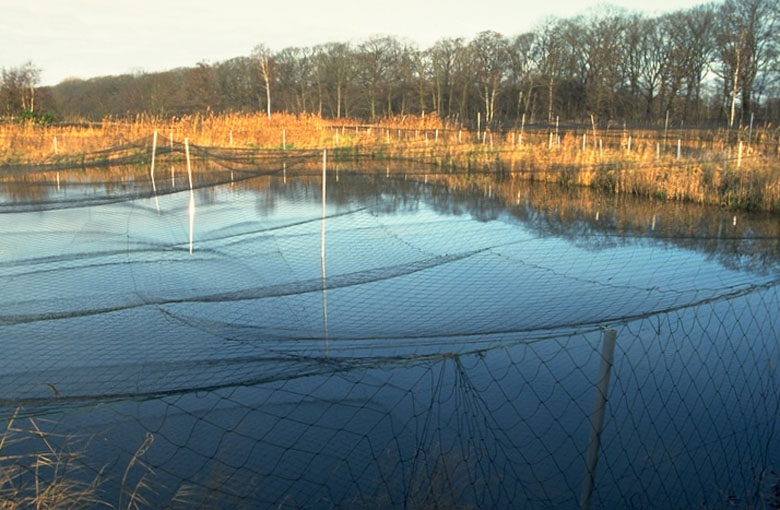
Designing a successful fish hatchery is one of the most sensitive stages in aquaculture production. At this early stage, fish are fragile, vulnerable to predators, and highly sensitive to environmental changes. This is why fish hatchery netting plays a central role in ensuring survival, growth consistency, and long-term productivity.
Fingerlings require carefully controlled environments where water quality, feeding patterns, and protection systems are tightly managed. Among all these factors, fine mesh pond covers are among the most critical components because they regulate exposure to predators, debris, and harsh environmental conditions.
Without proper fingerling protection, hatchery losses can reach significant levels, affecting entire production cycles and reducing profitability for fish farmers across Kenya and East Africa.
This guide explores how to design efficient fingerling nurseries and choose the right netting systems for maximum survival and growth.
Understanding Fish Hatchery Netting Systems
Fish hatchery netting refers to specialized fine-mesh materials used in breeding tanks, ponds, and nursery enclosures to protect juvenile fish during their most vulnerable stage.
These nets are designed to:
- Prevent predator intrusion
- Control water flow
- Reduce contamination from debris
- Maintain stable nursery environments
- Support controlled feeding systems
In Kenya’s growing aquaculture industry, hatcheries are becoming essential for supplying fingerlings to commercial farms. Proper netting systems ensure these hatcheries operate efficiently and sustainably.
You can explore essential aquaculture support systems here:
fish-cage-net-mat
fish-pond-cover-net
Key Design Principles of Fingerling Nurseries
Designing an effective nursery system requires more than just installing a pond. It requires a structured approach that integrates water management, stocking density, and protective netting.
1. Controlled Environment Design
Fingerlings require stable conditions:
- Temperature regulation
- Oxygen consistency
- Clean water flow
Fine mesh systems help stabilize environmental exposure.
2. Predator Exclusion Strategy
One of the main causes of fingerling loss is predation from:
- Birds
- Insects
- Larger fish species
This makes fine mesh pond covers essential for protecting the nursery surface.
Explore protective solutions:
insect-net-40-mesh-5m-by-100m
anti-bird-net-30-m-x-10m
3. Water Flow Optimization
Good hatchery design ensures water circulation without restricting oxygen exchange. Mesh size plays a direct role in balancing protection and flow.
Importance of Fine Mesh Pond Covers in Hatcheries
1. Protection from Aerial Predators
Birds are one of the biggest threats to fingerlings in open ponds. A properly installed fine mesh pond cover prevents access while allowing sunlight penetration.
2. Reduced Contamination
Fine mesh systems block:
- Leaves
- Dust
- Organic debris
This improves water quality and reduces disease risk.
3. Improved Survival Rates
Studies in aquaculture systems show that properly protected hatcheries significantly improve survival rates during the first 30–60 days of development.
4. Controlled Feeding Efficiency
When fingerlings are protected, feed loss is reduced because:
- Feed is not stolen by birds or insects
- Distribution remains controlled
- Waste is minimized
Choosing the Right Mesh Size for Fingerling Protection
Mesh size is one of the most critical factors in hatchery design.
Fine Mesh (Ideal for Fingerlings)
- Prevents entry of small predators
- Suitable for early-stage fish (larvae and fry)
- Enhances water filtration
Medium Mesh
- Used for larger juvenile stages
- Allows higher water flow
- Reduced shading effect
Coarse Mesh
- Used for grow-out systems
- Not suitable for hatcheries
The choice of mesh directly affects survival rates and overall productivity.
Materials Used in Fish Hatchery Netting
HDPE (High-Density Polyethylene)
Most commonly used in modern hatcheries due to:
- UV resistance
- High tensile strength
- Long lifespan
- Low water absorption
Nylon Mesh
- High flexibility
- Good knot strength
- Suitable for controlled environments
For Kenyan aquaculture conditions, HDPE is often preferred for fish hatchery netting due to its durability under intense sunlight and varying temperatures.
Designing an Efficient Fingerling Nursery System
Step 1: Site Selection
Choose a location with:
- Stable water source
- Minimal contamination risk
- Controlled sunlight exposure
Step 2: Pond or Tank Preparation
Ensure:
- Proper lining or sealing
- Smooth surfaces to prevent damage
- Controlled inflow and outflow systems
Supporting materials:
pvc-tarpaulin-650-gsm
Step 3: Installing Fine Mesh Covers
Install fine mesh pond covers tightly across:
- Pond surface
- Inlet channels
- Outlet protection points
Ensure there are no gaps where predators can enter.
Step 4: Aeration and Water Circulation
Proper oxygen levels are essential for fingerling survival.
Explore aeration systems:
aerator-pump-kenya
Step 5: Stocking and Monitoring
Stock fingerlings at recommended densities and monitor:
- Feeding behavior
- Water clarity
- Mortality rates
Common Mistakes in Hatchery Netting Design
Using Oversized Mesh
Allows predator entry and reduces protection efficiency.
Poor Installation Tension
Loose nets create gaps and sagging points.
Ignoring UV Degradation
Unprotected nets degrade faster under sunlight exposure.
Inadequate Cleaning
Biofouling reduces oxygen flow and water quality.
How Netting Improves Fingerling Survival Rates
Proper fingerling protection systems directly influence:
- Reduced stress levels
- Lower mortality rates
- Better growth uniformity
- Improved disease resistance
A controlled environment ensures fish reach juvenile stage faster and more efficiently.
Maintenance of Hatchery Netting Systems
To extend lifespan:
Regular Cleaning
Remove algae and debris buildup weekly.
Inspection
Check for:
- Tears
- Loose knots
- Mesh distortion
Proper Storage
When not in use, nets should be:
- Fully dried
- Stored away from sunlight
- Kept in ventilated areas
Supporting Aquaculture Infrastructure
Hatchery systems work best when combined with supporting tools:
Fish Cage Systems
Pond Protection Covers
Water Management Tools
These systems enhance water quality, oxygen levels, and overall fish health.
Economic Importance of Well-Designed Hatcheries
Investing in proper fish hatchery netting leads to:
- Higher fingerling survival rates
- Increased production efficiency
- Reduced operational losses
- Improved farm scalability
For commercial aquaculture businesses in Kenya, hatchery design is a foundational investment.
Why Cougar Nets is a Trusted Partner in Aquaculture Solutions
Cougar Nets provides reliable and durable netting solutions tailored for East Africa’s aquaculture industry.
Explore our products:
cougarnets
shade-nets
insect-net-40-mesh-5m-by-100m
anti-bird-net-30-m-x-10m
contact-us
We support:
- Fish hatcheries
- Commercial aquaculture farms
- Nursery pond systems
- Large-scale fish production projects
Conclusion: Precision Netting Defines Hatchery Success
Designing effective fingerling nurseries requires careful attention to detail, especially when selecting fish hatchery netting and installing fine mesh pond covers. These systems are not just protective barriers—they are essential tools that directly influence survival, growth, and profitability.
Strong fingerling protection strategies ensure that aquaculture farmers achieve consistent production cycles and sustainable growth in Kenya’s expanding fish farming industry.
CTA: Get Your Premium Netting Solutions Today!
Get Your Premium Netting Solutions Today!
For the best quality netting solutions for farming, construction, home, or any other project, look no further than Cougar Nets. Our team of experts is ready to help you choose the perfect product for your needs.
NATIONWIDE & EAST AFRICA DELIVERY AVAILABLE
✔ Premium quality nets for all applications
✔ Professional installation & expert advice
✔ Bulk orders & custom solutions available
✔ Serving Kenya (Nairobi, Mombasa, Kisumu), Uganda, Tanzania, Rwanda & beyond.
Contact Us for a Quote:
Cougar Nets
Email: sales@cougarnets.com | info@cougarnets.com
Phone: +254 706 903 465
Visit Us: Darosa Plaza, Karen Rd, Nairobi
Website: https://cougarnets.co.ke/