No products in the cart.
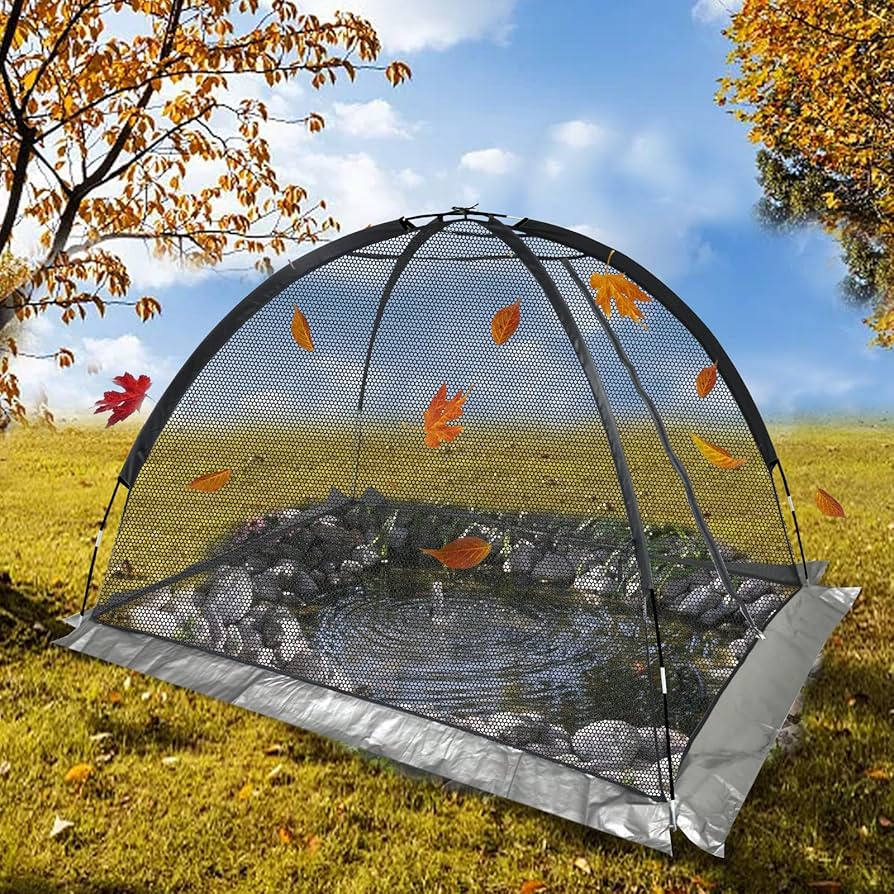
Fish farming has rapidly grown across Kenya as farmers seek reliable income sources and sustainable protein production systems. However, one of the most underestimated challenges in aquaculture is predation—especially from birds such as kingfishers, herons, and cormorants.
Fingerlings, being small and highly vulnerable, are easy targets. Without proper protection, fish farmers can lose a significant portion of their stock within a short period. This is where fish pond cover nets become essential.
Using high-quality aquaculture netting is no longer optional for commercial or semi-commercial fish farming. It is a critical investment that ensures survival rates, improves productivity, and reduces financial losses.
At Cougar Nets, we provide durable, UV-stabilized netting solutions designed specifically for Kenyan aquaculture conditions, helping farmers protect fingerlings from birds and environmental risks.
Understanding Fish Pond Cover Nets and Their Purpose
Fish pond cover nets are specially designed protective nets placed over fish ponds to prevent birds and other predators from accessing fish stocks.
They serve multiple functions:
- Prevent bird predation
- Reduce contamination from debris
- Control external disturbances
- Improve fish survival rates
- Maintain pond water quality
In Kenya’s open farming environments, ponds are highly exposed, making aquaculture netting a necessity rather than a luxury.
You can explore reliable solutions here:
fish-pond-cover-net
Why Kingfishers Are a Major Threat to Fingerlings
Kingfishers are small but highly efficient predators. Their hunting behavior makes them particularly dangerous to fish ponds.
Key Risks:
- Rapid diving attacks on shallow ponds
- Targeting of small fingerlings
- Frequent feeding cycles increasing loss rates
- Ability to exploit uncovered ponds easily
Even a single kingfisher can cause repeated losses over time, making consistent protection essential for sustainable fish farming.
How Fish Pond Cover Nets Protect Fingerlings from Birds
High-quality aquaculture netting creates a physical barrier that prevents birds from accessing the pond surface.
1. Physical Protection Barrier
The net acts as a shield, stopping birds from diving into the water.
2. Reduced Visibility
Some net types reduce clarity from above, making fish less visible to predators.
3. Restricted Landing Zones
Birds cannot comfortably land or hover over the pond.
4. Continuous Protection
Unlike scare tactics, nets provide 24/7 protection without maintenance.
For stronger aquaculture setups, farmers often combine pond covers with:
fish-cage-net-mat
Types of Aquaculture Netting Used in Kenya
Different farming systems require different netting solutions.
1. Fish Pond Cover Nets
Designed for open ponds to prevent bird access.
2. Fish Cage Nets
Used in deeper water systems such as lakes and reservoirs.
3. Fine Mesh Protection Nets
Provide additional defense against small birds and debris.
Each system is designed to improve survival rates and reduce losses in aquaculture operations.
Benefits of Using Fish Pond Cover Nets
1. Higher Fingerling Survival Rates
Protecting fish during early stages significantly increases survival rates.
2. Reduced Financial Losses
Every lost fingerling represents lost investment. Nets minimize this risk.
3. Improved Growth Environment
Less stress leads to healthier fish growth patterns.
4. Cleaner Pond Water
Nets reduce contamination from leaves, droppings, and debris.
5. Better Farm Efficiency
Farmers spend less time chasing birds or repairing losses.
Material Quality: Why Strong Aquaculture Netting Matters
Not all fish pond cover nets are equal. Quality determines performance and lifespan.
High-Quality Net Features:
- UV-stabilized HDPE material
- Strong tensile strength
- Weather resistance
- Anti-tear construction
- Long service life (5–8 years)
Low-quality nets degrade quickly under sun exposure and constant tension, leading to frequent replacements and increased costs.
Comparing Covered vs Uncovered Fish Ponds
Uncovered Ponds:
- High bird predation risk
- Unpredictable losses
- Water contamination
- Low efficiency
Covered Ponds (With Nets):
- Controlled environment
- High survival rates
- Stable production cycles
- Improved profitability
The difference in output can be significant over a single production cycle.
Proper Installation of Fish Pond Cover Nets
Correct installation is essential for effective protection.
Installation Checklist:
- Ensure full pond coverage with minimal gaps
- Maintain slight elevation above water surface
- Secure edges tightly to prevent entry points
- Use strong anchoring materials
- Inspect regularly for sagging or damage
For structural reinforcement, farmers often use:
braided-rope-10mm
Common Mistakes Farmers Make Without Pond Nets
Many fish farmers face losses due to avoidable mistakes:
- Leaving ponds uncovered during early growth stages
- Using weak or torn netting materials
- Ignoring bird activity patterns
- Delayed installation after stocking fingerlings
These mistakes significantly reduce profitability and productivity.
Integration with Other Aquaculture Systems
Modern aquaculture farms often combine multiple protective systems:
- Aeration systems for oxygen control:
aerator-pump-kenya - Cage farming systems:
fish-cage-net-mat - Water management equipment:
water-pump
This integrated approach improves overall fish farming efficiency.
Climate Challenges in Kenya and Aquaculture Protection
Kenya’s climate creates several challenges for fish farming:
- High bird activity in open environments
- Strong sunlight increasing water temperature
- Wind-driven debris contamination
- Seasonal environmental fluctuations
Fish pond cover nets help stabilize these conditions and protect aquaculture investments.
Cost vs Value: Why Fish Pond Nets Are a Smart Investment
Low-Cost Approach:
- No nets or weak protection
- High loss rates
- Unpredictable production
- Increased long-term costs
Premium Net Approach:
- Higher initial investment
- Strong protection system
- Stable fish yields
- Long-term profitability
In aquaculture, prevention is always cheaper than replacement.
Why Cougar Nets is Trusted for Aquaculture Netting in Kenya
Cougar Nets supplies durable, UV-resistant, and farm-tested netting solutions designed for Kenyan aquaculture conditions.
Explore our products:
cougarnets
fish-pond-cover-net
fish-cage-net-mat
aerator-pump-kenya
water-pump
We focus on delivering long-term protection solutions that improve farm productivity and reduce losses.
Conclusion: Protecting Fingerlings is Protecting Your Investment
Fish farming success depends heavily on early-stage protection. Fingerlings are the most vulnerable stage in aquaculture, and bird predation—especially from kingfishers—can cause devastating losses.
Investing in fish pond cover nets ensures consistent protection, improved survival rates, and stable production cycles. While some farmers attempt to cut costs by avoiding netting, the long-term losses often outweigh any initial savings.
For sustainable and profitable aquaculture in Kenya, aquaculture netting is not optional—it is essential.