No products in the cart.
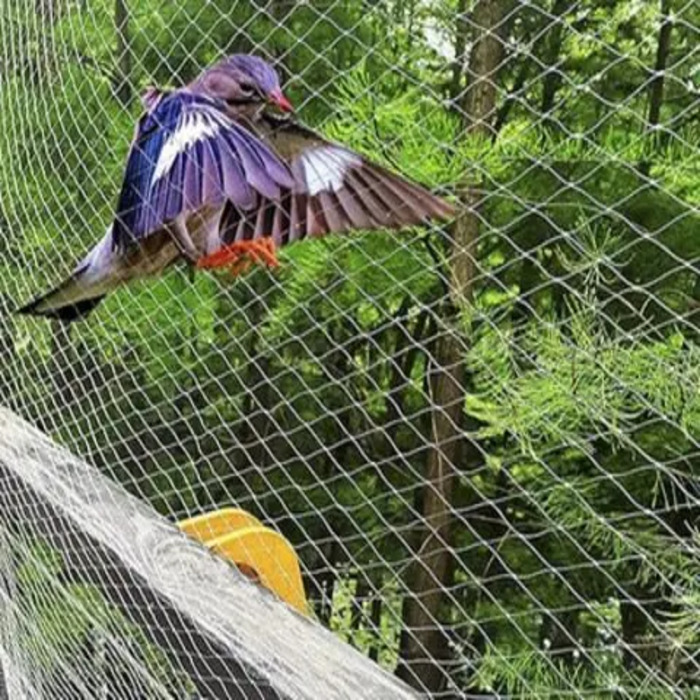
Predator control netting in Kenya is a protective poultry safety system designed to prevent hawks, wild cats, and other predators from accessing chicken enclosures. It works by covering or enclosing poultry runs with tightly woven mesh that blocks entry while allowing airflow and sunlight. In Kenya’s poultry farming regions such as Nairobi, Kisumu, Eldoret, and Mombasa, anti-predator nets are essential for reducing poultry losses and improving farm productivity.
Introduction
How to use anti-predator nets is a critical question for poultry farmers in Kenya and across East Africa, especially those practicing free-range or semi-intensive chicken farming. Hawks attacking from above and wild cats or dogs entering from the ground are among the leading causes of poultry loss.
In farming regions like Nairobi, Kisumu, Eldoret, and coastal Mombasa, poultry safety is a serious concern due to diverse predator threats and open farming environments. Anti-predator netting provides a reliable, low-cost, and highly effective way to protect chickens from hawks and wild cats while maintaining proper ventilation and sunlight exposure.
Cougar Nets provides durable predator control netting designed for Kenyan climate conditions and professional poultry farming systems.
Explore poultry safety solutions: Poultry Farming Products
Browse all products: Shop Netting Solutions
Understanding Anti-Predator Nets for Poultry Safety
Anti-predator nets are specialized mesh systems used to protect chickens from both aerial and ground predators.
What They Do
- Block hawks and eagles from diving into poultry runs
- Prevent wild cats and dogs from entering enclosures
- Protect chicks from small predators like snakes and rats
- Maintain airflow and natural lighting inside the coop
They are widely used in modern poultry farming systems in Kenya for both backyard and commercial setups.
Types of Predator Control Netting Used in Kenya
Overhead Netting for Hawk Protection
- Installed above chicken runs
- Prevents birds of prey from attacking
- Maintains full visibility and sunlight penetration
Side Enclosure Netting for Ground Predators
- Covers the sides of poultry houses
- Stops wild cats, dogs, and rodents
- Common in urban and peri-urban farms
Reinforced Base Netting
- Buried at ground level
- Prevents digging predators
- Essential in rural areas with dogs and wild animals
Benefits of Using Anti-Predator Nets in Kenya
Protection from Hawks and Birds of Prey
Hawks are a major threat in open poultry systems. Netting prevents aerial attacks and protects chicks and small birds effectively.
Defense Against Wild Cats and Ground Predators
Wild cats and stray dogs often attack at night. Proper enclosure netting blocks access and improves flock survival rates.
Improved Poultry Productivity
When chickens feel safe:
- Egg production increases
- Stress levels reduce
- Feed efficiency improves
Climate-Friendly Design
High-quality nets allow:
- Air circulation
- Natural sunlight
- Reduced heat stress in hot regions like Mombasa and Kisumu
How to Use Anti-Predator Nets (Step-by-Step)
Step 1: Design the Poultry Enclosure
- Measure the chicken run area
- Identify predator risks (hawks, cats, dogs)
- Decide between full enclosure or overhead netting
Step 2: Install Support Structures
- Use wooden or metal poles
- Ensure strong anchoring for wind resistance
- Space poles evenly for stability
Step 3: Fix the Netting Properly
- Start from one corner
- Stretch tightly across the structure
- Avoid sagging areas where predators can enter
Step 4: Secure All Edges
- Use binding wire, clips, or hooks
- Reinforce corners and joints
- Bury bottom edges if wild dogs or digging predators are present
Step 5: Inspect and Maintain
- Check regularly for tears or gaps
- Repair damaged sections immediately
- Ensure full enclosure integrity
Best Materials for Predator Control Netting in Kenya
| Material Type | Strength | UV Resistance | Best Use |
|---|---|---|---|
| Nylon Mesh | Medium | High | Backyard poultry |
| PVC-Coated Netting | High | Very High | Commercial farms |
| Galvanized Mesh | Very High | High | Permanent installations |
PVC-coated and UV-stabilized nets are recommended for Kenya due to strong sunlight exposure.
Regional Use in Kenya
Nairobi Poultry Farms
Urban and backyard farms require overhead netting to prevent hawk attacks.
Mombasa Coastal Farms
High humidity requires corrosion-resistant PVC-coated nets.
Kisumu & Western Kenya
High predator presence makes full enclosure netting essential.
Eldoret & Rift Valley Farms
Large farms use combined systems: overhead + perimeter netting.
Common Mistakes Farmers Make
Loose Installation
Loose nets allow hawks to land or penetrate weak points.
Using Weak Materials
Low-quality nets tear easily and fail under wind pressure.
Ignoring Ground Protection
Many farmers forget to secure the base, allowing dogs or cats to dig in.
Poor Maintenance
Damaged nets left unrepaired reduce overall effectiveness.
Predator Netting vs Traditional Fencing
| Feature | Predator Nets | Wire Fencing |
|---|---|---|
| Hawk Protection | Excellent | None |
| Cat Protection | High | Medium |
| Ventilation | Excellent | Moderate |
| Cost | Moderate | Moderate–High |
| Poultry Safety | High | Limited |
Poultry Safety Practices in Kenya
- Combine netting with strong fencing systems
- Keep chickens in secure housing at night
- Use motion lighting for predator deterrence
- Regularly inspect enclosures
- Store feed securely away from predators
People Also Ask
How do I protect chickens from hawks in Kenya?
Use overhead anti-predator netting that fully covers the chicken run. Hawks cannot penetrate tightly woven mesh, making it the most effective solution for aerial predator protection.
What netting stops wild cats from entering chicken coops?
PVC-coated or galvanized predator control netting is best because it is strong, tear-resistant, and blocks entry points effectively.
Do anti-predator nets reduce airflow?
No, quality poultry safety nets are designed to allow air circulation and sunlight while still preventing predator access.
Are predator nets necessary for backyard chickens?
Yes, even backyard chickens in Kenya are vulnerable to hawks, cats, and dogs, making netting essential.
FAQ Section
What are anti-predator nets used for?
They are used to protect poultry from hawks, wild cats, dogs, snakes, and other predators that threaten chicken farms in Kenya.
Can hawks break through poultry netting?
No, properly installed high-quality netting prevents hawks from penetrating or landing inside poultry enclosures.
How long do predator nets last in Kenya?
They typically last 5–10 years depending on material quality and exposure to UV radiation and weather conditions.
Are predator nets expensive?
They are moderately priced but cost-effective because they prevent major poultry losses.
What is the best material for poultry safety nets?
PVC-coated and UV-stabilized mesh are the best options for Kenya’s climate.
Contact Section
Get Your Premium Netting Solutions Today! For the best quality netting solutions for farming, construction, home, or any other project, look no further than Cougar Nets. Our team of experts is ready to help you choose the perfect product for your needs.
NATIONWIDE & EAST AFRICA DELIVERY AVAILABLE
✔ Premium quality nets for all applications
✔ Professional installation and expert advice
✔ Bulk orders and custom solutions available
✔ Serving Kenya (Nairobi, Eldoret, Kisumu), Uganda, Tanzania, Rwanda, South Sudan, Ethiopia and beyond.
Contact Us for a Quote:
Cougar Nets
Email: sales@cougarnets.com | info@cougarnets.com
Phone: +254 706 903 465
Visit Us: Darosa Plaza, Karen Rd, Nairobi
Website: Cougar Nets Contact