No products in the cart.
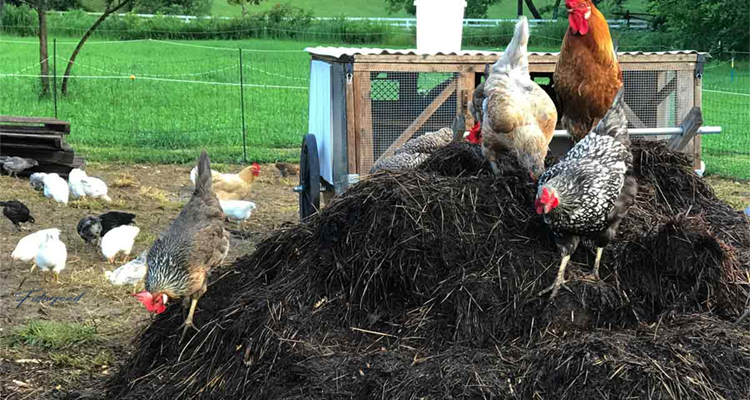
Poultry farming generates significant amounts of waste, including manure, bedding, feathers, and spoiled feed. If mismanaged, this waste can contaminate soil and water, spread diseases, and produce harmful gases like ammonia and methane. Proper management protects the environment, maintains farm biosecurity, and even provides opportunities to generate revenue through composting. Cougar Nets, a leading supplier of poultry accessories in Kenya, provides products and guidance to help farmers handle waste efficiently while maintaining healthy flocks and sustainable operations.
H2: Why Poultry Waste Management Matters
Mismanaged poultry waste can lead to several environmental and operational issues:
-
Water contamination: Runoff can pollute rivers and groundwater with nutrients and pathogens.
-
Soil degradation: Excess nitrogen and phosphorus can harm soil balance.
-
Disease spread: Pathogens in manure can infect birds, livestock, and humans.
-
Odor and gas emissions: Ammonia buildup affects both birds and farm workers.
Proper waste management reduces these risks while creating opportunities for organic fertilizer production, soil enrichment, and energy recovery in large-scale farms.
H2: Components of Poultry Waste
Understanding waste composition helps in designing effective management strategies:
| Waste Type | Source | Environmental Concern | Management Approach |
|---|---|---|---|
| Manure | Droppings | Pathogens, ammonia, nutrient runoff | Composting, anaerobic digestion |
| Bedding | Straw, wood shavings | Moisture retention, mold risk | Regular replacement, composting |
| Feathers | Molting | Slow decomposition, high nitrogen | Collect for fertilizer or feed additives |
| Spoiled feed | Uneaten feed | Attracts pests, microbial growth | Removal, conversion to compost |
Proper segregation of these components facilitates safe disposal and resource recovery.
H2: Methods for Efficient Poultry Waste Management
1) Litter Management
Bedding materials like wood shavings, rice husks, or sawdust absorb moisture and reduce ammonia buildup. Key practices include:
-
Regular replacement of bedding to prevent wet spots
-
Ensuring proper ventilation to reduce humidity
-
Collecting used litter for composting or bioenergy production
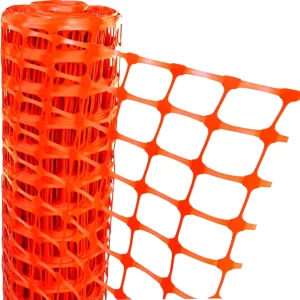
Poultry Mesh 400 GSM can help contain litter in designated areas and prevent spreading into surrounding land.
2) Composting
Composting converts manure and bedding into nutrient-rich organic fertilizer. Benefits include:
-
Reduces pathogen load through high temperatures
-
Stabilizes nitrogen and phosphorus for soil use
-
Minimizes odor and environmental contamination
Best Practices for Composting in Kenya:
-
Mix manure with carbon-rich materials like straw
-
Maintain proper moisture (50–60%)
-
Turn compost every 1–2 weeks to aerate and accelerate decomposition
-
Monitor temperature; ideal range is 55–65°C
3) Anaerobic Digestion
Large-scale farms can use anaerobic digesters to produce biogas from poultry waste. Advantages:
-
Renewable energy production for farm use
-
Reduced odor and pathogen risk
-
Nutrient-rich slurry suitable as fertilizer
Digesters require proper design, including pre-treatment of wet litter and temperature control, but they are highly sustainable for commercial operations.
4) Safe Storage and Containment
Before processing, waste must be stored safely to prevent contamination. Guidelines include:
-
Use biosecure enclosures with secure mesh like Poultry Mesh to prevent scavengers from accessing waste
-
Store away from water sources to prevent runoff
-
Cover with waterproof tarps during the rainy season
5) Waste-to-Value Approaches
-
Organic fertilizer: Sell or use on farm crops
-
Biogas production: Energy for lighting, heating, or farm equipment
-
Animal feed additive: Feathers and treated manure can supplement feed under proper regulations
Efficient waste management can thus become a revenue-generating activity rather than just a disposal challenge.
H2: Integrating Biosecurity with Waste Management
Proper waste handling reduces disease risk among birds and workers. Key strategies:
-
Use gloves and boots when handling manure
-
Install footbaths at poultry house exits
-
Clean and disinfect equipment after waste handling
-
Ensure separation of waste storage areas from active poultry pens
Combining these measures with Insect Nets and secure mesh enclosures protects birds from contamination and pests.
H2: Environmental Considerations for Kenyan Farms
Poultry farms in Kenya face specific environmental challenges:
-
High UV index in Nairobi and Rift Valley: Litter can dry too quickly, affecting composting; shaded storage is advised
-
Coastal humidity (Mombasa, Malindi): Moisture control is critical to prevent mold in bedding
-
Rainy seasons in Western Kenya: Covered storage and drainage prevent nutrient runoff
Adapting waste management practices to local climate ensures sustainability and regulatory compliance.
H2: Cost and ROI
| Waste Management Method | Approximate Cost (KES) | Benefits |
|---|---|---|
| Composting setup | 10,000–30,000 | Fertilizer production, pathogen reduction |
| Anaerobic digester | 200,000+ | Biogas, reduced waste volume, fertilizer |
| Covered storage bins | 5,000–15,000 | Prevent runoff, reduce odor |
Efficient management reduces disease losses, improves flock productivity, and generates additional income through fertilizer sales or biogas.
H2: Cougar Nets Solutions for Waste Management
Cougar Nets provides products and solutions to assist Kenyan farmers in handling poultry waste effectively:
-
Poultry Mesh 400 GSM: Secure waste containment and biosecure pens
-
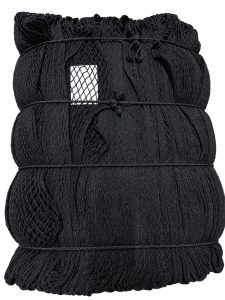
Insect Nets: Prevent fly and mosquito infestations near waste storage
-
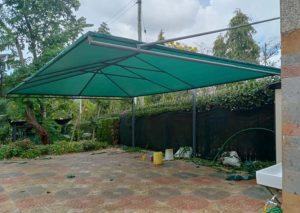
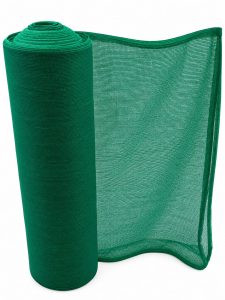
Shade Nets 80% GSM: Protect waste during composting or storage from sun and rain
-
Expert consultation on farm layout and waste management practices
H2: Practical Tips for Daily Waste Management
-
Collect droppings daily to prevent accumulation
-
Segregate manure, bedding, and spoiled feed for appropriate processing
-
Rotate compost piles to maintain aeration
-
Use proper PPE when handling waste
-
Record waste quantities for planning fertilizer production and environmental compliance
H2: Nationwide Delivery and Support
Cougar Nets delivers biosecure poultry accessories and waste management solutions across Kenya (Nairobi, Eldoret, Kisumu), Uganda, Tanzania, Rwanda, South Sudan, and Ethiopia.
-
Bulk delivery with valid eTIMS invoices for tax compliance
-
Professional advice on poultry house design, mesh installation, and waste containment
-
Support for large and small farms with tailored solutions
Conclusion
Efficient poultry waste management protects the environment, improves farm biosecurity, and creates opportunities for sustainable resource use. Kenyan poultry farmers can leverage composting, anaerobic digestion, and secure containment to minimize disease risk and enhance productivity. Integrating Cougar Nets’ products such as poultry mesh, insect nets, and shade nets ensures a comprehensive approach to managing waste while supporting farm sustainability.
Get Your Premium Poultry Waste Management Solutions Today!
For the best quality netting, biosecure enclosures, and farm accessories, look no further than Cougar Nets. Our experts can help you implement effective waste management practices that protect both your flock and the environment.
Contact Us for a Quote:
Email: sales@cougarnets.com | info@cougarnets.com
Phone: +254 706 903 465
Visit Us: Darosa Plaza, Karen Rd, Nairobi
Website: https://cougarnets.co.ke/