No products in the cart.
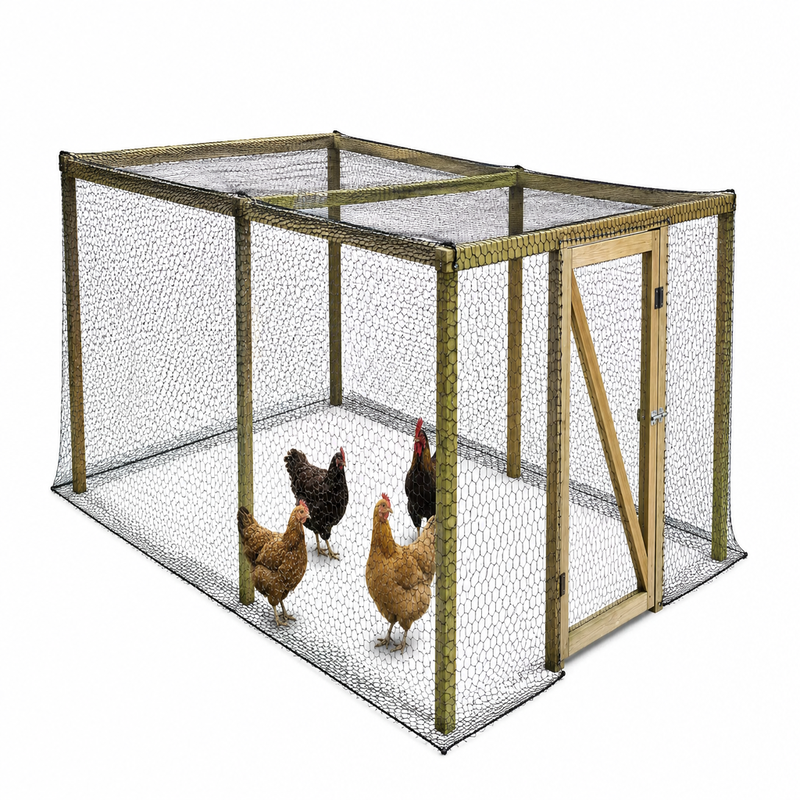
Choosing the right netting for a chicken run is critical when building a secure poultry enclosure that protects birds from predators while allowing enough space for healthy movement. A properly planned 6m x 12m chicken run requires more than measuring the walls; you must calculate roof coverage, ground protection, fixing points, and extra material for installation. This guide explains how Kenyan poultry keepers can size their enclosure correctly and choose durable netting that lasts.
Netting for a Chicken Run: How Much Material Does a 6m x 12m Pen Need?
Netting for a chicken run requires accurate measurements for walls, roofing, and ground protection to create a complete predator-resistant enclosure. For a 6m x 12m pen, the total material depends on the height, roof design, and whether a dig-proof skirt is included.
A complete chicken enclosure should not only prevent birds from escaping but also stop predators from entering through gaps, weak points, or underground access.
A common mistake among poultry farmers is calculating only the perimeter walls and forgetting that chickens are vulnerable from above and below.
A properly designed 6m x 12m enclosure should include:
- Side wall netting
- Roof netting
- Ground skirt or buried protection
- Extra overlap for joining sections
- Strong fixing materials
The total amount of netting for a chicken run depends mainly on:
- Enclosure length
- Enclosure width
- Wall height
- Roof style
- Predator risks in the area
For this example, we will calculate a practical enclosure using:
- Length: 12 metres
- Width: 6 metres
- Wall height: 2 metres
This height provides enough room for chickens while allowing farmers to comfortably enter and maintain the space.
Netting for a Chicken Run: Calculating the Wall Coverage for a 6m x 12m Enclosure
Netting for a chicken run starts with calculating the four walls around the enclosure perimeter. A 6m x 12m pen with 2m high sides requires approximately 72 square metres of wall coverage before adding extra material.
To calculate wall requirements:
Long sides:
A 12m x 2m wall:
12 × 2 = 24 square metres
There are two long sides:
24 × 2 = 48 square metres
Short sides:
A 6m x 2m wall:
6 × 2 = 12 square metres
There are two short sides:
12 × 2 = 24 square metres
Total wall area:
48 + 24 = 72 square metres
However, professional installers normally add extra allowance because rolls need overlapping and trimming.
A practical allowance is:
- 10% extra for joins
- Additional material around corners
- Extra height if uneven ground exists
Therefore, farmers should consider approximately:
80 square metres of wall netting
for a properly finished enclosure.
Netting for a Chicken Run: Adding the Roof Protection Correctly
Netting for a chicken run should include roof coverage because aerial predators such as birds of prey can threaten poultry in open-top enclosures. A secure roof also prevents chickens from flying out while improving overall safety.
For a flat roof design, the calculation is simple:
6m × 12m = 72 square metres
Adding overlap:
72 + 10% allowance = approximately 80 square metres
However, many farmers prefer a sloped roof because it improves:
- Rainwater drainage
- Durability
- Air circulation
- Maintenance access
For a pitched roof, the required material may increase depending on the roof angle.
When choosing roof netting, consider:
- UV resistance
- Weather durability
- Mesh strength
- Weight of the material
In Kenya’s climate, exposed poultry enclosures experience strong sunlight, seasonal rainfall, and temperature changes. UV-treated materials generally provide better long-term performance.
Netting for a Chicken Run: Creating a Dig-Proof Predator Barrier
Netting for a chicken run should include a ground protection system because predators can dig underneath ordinary fencing. A buried skirt or outward-facing ground extension creates an important security barrier.
Many poultry losses happen because farmers secure the sides but ignore the soil level where predators can enter.
A recommended ground skirt can extend:
- 30cm to 60cm outward from the enclosure
- Around the full perimeter
For a 6m x 12m enclosure:
Perimeter:
(12 + 6) × 2 = 36 metres
If adding a 50cm ground skirt:
36m × 0.5m = 18 square metres
Adding this to the wall requirement:
- Walls: approximately 80m²
- Roof: approximately 80m²
- Ground skirt: approximately 20m²
Total estimated requirement:
Around 180 square metres of netting for a chicken run
This provides a complete enclosure system rather than only a basic fence.
Netting for a Chicken Run: Choosing the Right Mesh Size for Poultry Safety
Netting for a chicken run must have the correct mesh opening to protect birds while maintaining airflow and visibility. The best mesh size depends on chicken age, predator pressure, and the type of poultry being kept.
Common mesh options include:
Small Mesh Netting
Suitable for:
- Chicks
- Small breeds
- Areas with high predator activity
Benefits:
- Prevents escapes
- Stops smaller predators
- Provides better protection
Medium Mesh Netting
Suitable for:
- Adult chickens
- Standard backyard poultry systems
Benefits:
- Good airflow
- Easy visibility
- Cost-effective
Heavy-Duty Poultry Netting
Suitable for:
- Commercial poultry farms
- Long-term installations
- Areas exposed to harsh weather
Features may include:
- Stronger fibres
- UV protection
- Higher tear resistance
Selecting the correct mesh is just as important as calculating the total metres required.
Netting for a Chicken Run: Common Sizing Mistakes Farmers Should Avoid
Netting for a chicken run fails when measurements are too tight or important areas are ignored. Planning extra material before installation prevents expensive replacements and weak enclosure points.
Common mistakes include:
Measuring Only the Fence Line
Many farmers calculate only the walls and forget:
- Roof coverage
- Ground protection
- Door areas
- Overlapping sections
Buying Exactly the Calculated Amount
A perfect calculation does not account for:
- Cutting waste
- Fixing points
- Repairs
- Uneven ground
Adding 10–15% extra material is usually safer.
Choosing Weak Materials
Low-quality netting may:
- Tear easily
- Stretch over time
- Break under weather exposure
For a long-lasting enclosure, choose materials designed specifically for poultry and outdoor conditions.
Get Your Premium Netting Solutions Today!
For the best quality netting solutions for farming, construction, home, or any other project, look no further than Cougar Nets. Our team of experts is ready to help you choose the perfect product for your needs.
NATIONWIDE & EAST AFRICA DELIVERY AVAILABLE
- Premium quality nets for all applications
- Professional installation and expert advice
- Bulk orders and custom solutions available
- Serving Tanzania, South Sudan, Kenya (Nairobi, Eldoret, Kisumu) and beyond.
Contact Us for a Quote:
Cougar Nets
Email: sales@mft.co.ke | info@cougarnets.co.ke
Phone: +254 706 903 465
Visit Us: Darosa Plaza, Karen Rd, Nairobi
Website: https://cougarnets.co.ke/