No products in the cart.
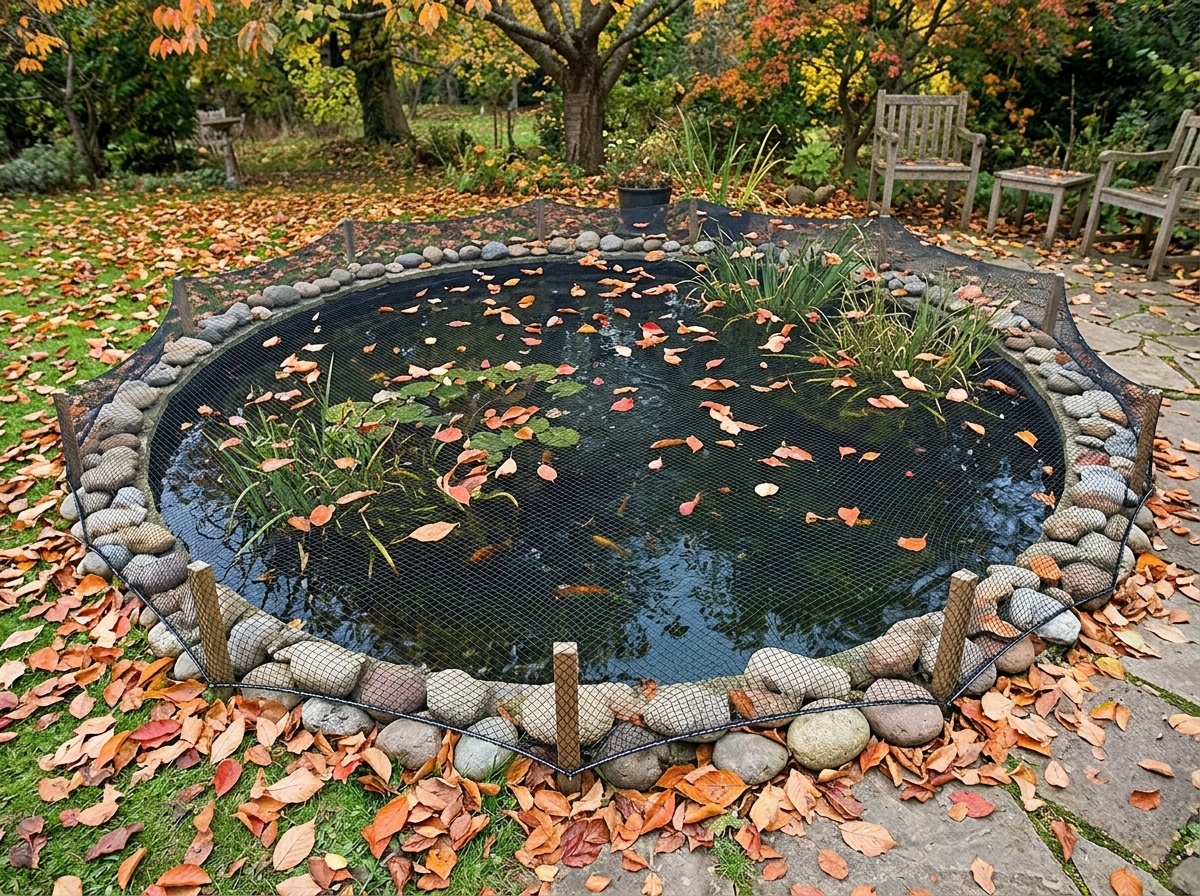
Pond cover nets designed for pond debris protection are becoming essential in modern aquaculture across Kenya and East Africa. As fish farming expands in regions such as Kisumu, Nairobi outskirts, Eldoret, and coastal zones, farmers face increasing challenges from wind-blown debris, agricultural dust, and organic contamination that directly affect water quality and fish survival.
These protective systems prevent external pollutants from entering ponds, helping maintain oxygen balance and reducing harmful bacterial growth. Suppliers such as Cougar Nets provide durable pond cover mesh systems specifically engineered for long-term pond debris protection, UV resistance, and aquaculture efficiency.
Pond Cover Nets for Pond Debris Protection in Clean Fish Ponds in Kenya
Pond cover nets used for pond debris protection act as a physical barrier that prevents contamination from entering aquaculture systems. They are widely used in commercial and small-scale fish farming operations.
Key Functions of Pond Debris Protection Nets:
- Block falling leaves and organic waste
- Prevent insect contamination
- Reduce dust entry from wind
- Improve oxygen stability
- Enhance fish survival rates
Embedded Internal Links
Farmers sourcing aquaculture solutions use:
- Aquaculture fishing nets and pond systems
- Home and garden protective netting solutions
- Shop pond protection systems
Benefits of Pond Debris Protection Using Pond Cover Nets
Pond cover nets designed for pond debris protection offer measurable improvements in aquaculture performance.
Key Benefits:
- Reduced organic contamination in ponds
- Improved water clarity
- Lower ammonia buildup
- Better fish growth rates
- Reduced maintenance costs
Kenya-Specific Insight:
In dusty and high-wind regions such as Nairobi and Rift Valley, debris protection systems significantly reduce sediment and organic waste accumulation, improving long-term fish survival rates.
How to Achieve Effective Pond Debris Protection with Pond Cover Nets
Proper design and installation are critical for effective debris protection.
Step 1: Assess Environmental Exposure
- Wind intensity
- Surrounding vegetation
- Dust levels
Step 2: Select Mesh Type
- Fine mesh → high debris protection
- Medium mesh → balanced airflow
- UV-stabilized mesh → long-term outdoor use
Step 3: Install Proper Support Structure
Ensure nets are elevated to avoid contact with water surface.
Step 4: Regular Maintenance
Inspect for tears and tension loss to maintain consistent pond debris protection.
High GSM Pond Debris Protection Nets for Aquaculture Systems
High GSM mesh improves durability and enhances pond debris protection in commercial farms.
Pond Debris Protection for Lake Region Fish Farming Systems
In Kisumu and Lake Victoria zones, pond cover nets reduce leaf fall and organic contamination, stabilizing water conditions for fish farming.
Pond Debris Protection in Coastal Aquaculture Systems (Mombasa)
Coastal farms require UV-resistant nets due to high sunlight exposure and salt-air conditions affecting long-term durability.
Pond Cover Nets vs Open Ponds Without Pond Debris Protection
| Feature | Open Pond | With Pond Debris Protection |
|---|---|---|
| Water cleanliness | Low | High |
| Algae growth | High | Controlled |
| Fish survival | Moderate | High |
| Maintenance cost | High | Low |
- Nylon mesh → flexible, moderate durability
- HDPE mesh → strong UV resistance
- PVC-coated mesh → maximum durability for commercial farms
Installation Guide for Pond Debris Protection Nets
Step 1: Build frame structure
Use steel, wood, or HDPE supports.
Step 2: Install mesh evenly
Ensure full coverage without sagging.
Step 3: Secure edges tightly
Prevent wind lift and gaps.
Step 4: Test drainage and airflow
Ensure pond receives light while maintaining debris protection.
Common Mistakes in Pond Debris Protection Systems
- Using weak mesh in windy regions
- Allowing net contact with water surface
- Ignoring UV degradation
- Poor anchoring systems
Commercial Benefits of Pond Debris Protection Nets
Farmers benefit through:
- Higher fish survival rates
- Reduced disease outbreaks
- Lower chemical treatment costs
- Improved feed conversion efficiency
FAQ SECTION
1. What is pond debris protection in aquaculture?
It refers to using mesh covers to prevent leaves, dust, insects, and organic waste from entering fish ponds.
2. Do pond cover nets improve water quality?
Yes, they reduce contamination and stabilize oxygen levels, improving overall fish health.
3. Is debris protection necessary in Kenya?
Yes, due to high dust, wind, and agricultural activity in many farming regions.
4. How long do pond cover nets last?
3–6 years depending on material quality and environmental exposure.
5. Can pond cover nets reduce algae growth?
Yes, by limiting organic waste that feeds algae formation.
6. What mesh type is best for debris protection?
UV-stabilized HDPE mesh is best for long-term commercial aquaculture.
Call To Action
Get Your Premium Netting Solutions Today! For the best quality netting solutions for farming, construction, home, or any other project, look no further than Cougar Nets. Our team of experts is ready to help you choose the perfect product for your needs.
NATIONWIDE & EAST AFRICA DELIVERY AVAILABLE
Premium quality nets for all applications
Professional installation and expert advice
Bulk orders and custom solutions available
Serving Kenya (Nairobi, Eldoret, Kisumu), Uganda, Tanzania, Rwanda, South Sudan, Ethiopia and beyond.
Contact Us for a Quote:
Cougar Nets
Email: sales@cougarnets.com | info@cougarnets.com
Phone: +254 706 903 465
Visit Us: Darosa Plaza, Karen Rd, Nairobi
Website: https://cougarnets.co.ke/