No products in the cart.
Plastic Poultry Mesh vs Welded Wire: Poultry Mesh Kenya for Predator Control
Choosing the right poultry mesh Kenya is critical for any poultry farmer concerned with bird safety, durability, and long-term cost efficiency. Both plastic mesh poultry Kenya and welded wire poultry fencing Kenya are popular choices, but understanding their differences can help you make an informed decision for your chicken coop or farm.
What is Plastic Mesh Poultry?
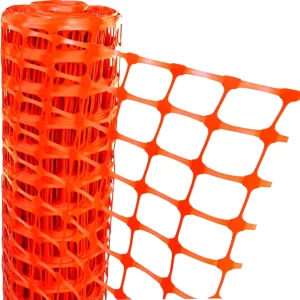
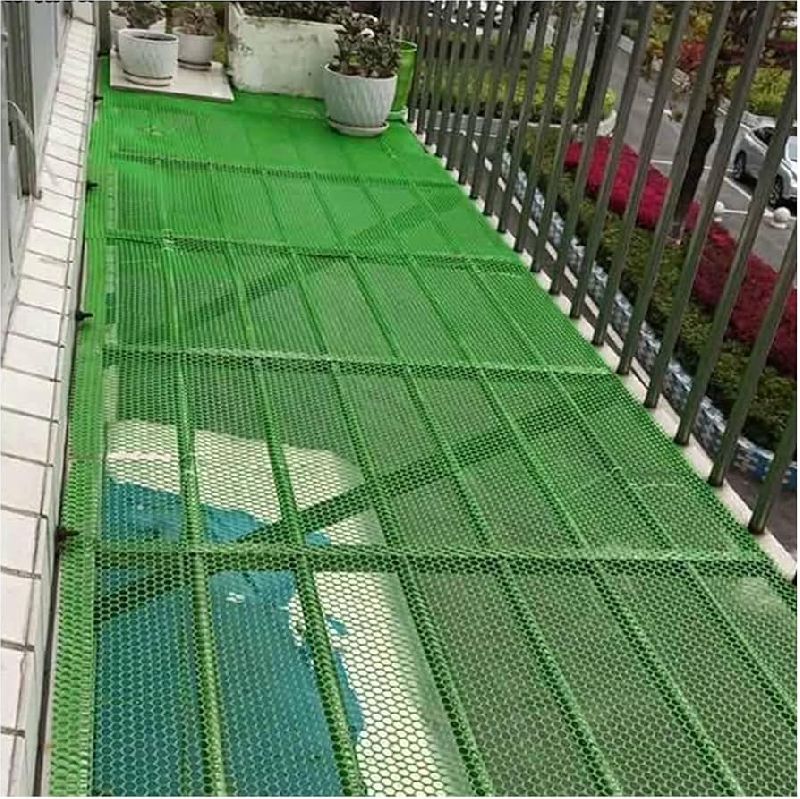
Plastic mesh poultry Kenya is a lightweight, flexible mesh made from high-density polyethylene (HDPE) or polypropylene. It is designed to keep chickens contained while providing protection against smaller predators like rats, snakes, and weasels.
Key advantages include:
-
Lightweight and easy to install
-
Rust-free and weather-resistant
-
Cost-effective for medium to small poultry operations
-
Safe for young chicks without risk of injury
However, plastic mesh is generally less durable against large predators and may not last as long under heavy UV exposure.
What is Welded Wire Poultry Fencing?
Welded wire poultry fencing Kenya consists of metal wires welded into a grid. It is stronger and more rigid than plastic mesh, making it ideal for larger birds or areas with higher predator pressure.
Benefits include:
-
High durability and long lifespan
-
Excellent protection against predators such as dogs, foxes, and hyenas
-
Suitable for permanent chicken coops and outdoor enclosures
-
Can support climbing plants for added shade
On the downside, welded wire may rust over time without proper coating and can be more expensive upfront than plastic mesh.
Comparing Plastic Mesh vs Welded Wire
| Feature | Plastic Mesh Poultry Kenya | Welded Wire Poultry Fencing Kenya |
|---|---|---|
| Durability | Moderate, suitable for small predators | High, suitable for large predators |
| Cost | Lower | Higher |
| Installation | Easy, lightweight | Requires tools, heavier |
| Maintenance | Minimal | Periodic anti-rust treatment may be needed |
| Flexibility | Highly flexible | Rigid |
By understanding these differences, poultry farmers can select the right chicken coop fencing Kenya that balances cost, durability, and predator control.
How Poultry Mesh Enhances Predator Control
Whether you choose plastic or welded wire, investing in predator control poultry Kenya fencing is essential for farm biosecurity. Proper mesh prevents:
-
Night-time predator attacks
-
Egg theft and chick loss
-
Disease spread from wild animals
Combining mesh fencing with secure gates, overhangs, and elevated coops maximizes protection and ensures long-term poultry health.
Internal Links for Related Products
-
Automatic Poultry Feeders Kenya – Keep birds fed safely within predator-proof enclosures.
-
Chicken Drinkers and Watering Systems Kenya – Hygienic water alongside secure fencing.
-
Poultry Heating Equipment Kenya – Maintain optimal brooding conditions safely.
-
Farm Flooring Mesh Kenya – Combine with secure mesh for improved coop hygiene.
-
Livestock Netting and Covers Kenya – Extra predator protection above your fencing.
-
Poultry Health Supplements Kenya – Support bird immunity alongside secure housing.
Choosing the Right Option for Your Farm
For small to medium farms with mild predator pressure, plastic mesh poultry Kenya is a cost-effective and flexible solution. For large-scale or outdoor operations with high predator risk, welded wire poultry fencing Kenya provides durability and long-term peace of mind.
Farmers can also combine both materials: plastic mesh for young chicks inside the coop, and welded wire for the main enclosure—maximizing safety and efficiency.
Conclusion
Selecting the right poultry mesh Kenya ensures your birds are protected, your coop stays secure, and your investment in farm infrastructure lasts. Both plastic mesh and welded wire have unique advantages, and the best choice depends on predator pressure, farm size, and budget.
Related Links:
Get Your Premium Netting Solutions Today!
For the best quality netting solutions for farming, construction, home, or any other project, look no further than Cougar Nets. Our team of experts is ready to help you choose the perfect product for your needs.
NATIONWIDE & EAST AFRICA DELIVERY AVAILABLE
- Premium quality nets for all applications
- Professional installation and expert advice
- Bulk orders and custom solutions available
- Serving South Sudan, Tanzania, Kenya (Nairobi, Eldoret, Kisumu) and beyond.
Contact Us for a Quote:
Cougar Nets
Email: sales@mft.co.ke | info@cougarnets.co.ke
Phone: +254 706 903 465
Visit Us: Darosa Plaza, Karen Rd, Nairobi
Website: https://cougarnets.co.ke/