No products in the cart.

Poultry farming is one of Kenya’s most popular agricultural activities, supporting thousands of small-scale farmers, commercial producers, and agribusiness enterprises. Whether raising chickens for eggs, meat production, or breeding purposes, creating a safe and comfortable environment is essential for healthy flock development.
One of the most important decisions a poultry farmer must make is selecting the correct netting system.
The right Poultry Nets in Kenya help protect birds from predators, control movement, improve farm organisation, and create secure housing areas. However, choosing the wrong mesh size can lead to problems such as chick escapes, predator attacks, poor ventilation, and unnecessary replacement costs.
Different poultry stages require different levels of protection. Chicks, growers, layers, and free-range birds all have unique requirements when it comes to mesh openings, material strength, and enclosure design.
For farmers investing in poultry housing, understanding mesh sizes and wire specifications is essential for building effective poultry structures.
Cougar Nets provides durable agricultural netting solutions designed for Kenyan farming conditions. From chicken enclosures to protective farm systems, choosing the right product helps farmers improve safety and productivity.
This guide explains how to select the correct mesh size for Poultry Nets in Kenya, the differences between materials, suitable applications for different bird ages, and maintenance practices that extend net lifespan.
Why Choosing the Right Poultry Nets in Kenya Matters
A poultry enclosure does more than keep chickens inside a designated area. It provides protection and helps create a controlled farming environment.
Quality poultry nets help protect birds from:
- Predators
- Theft risks
- Escaping
- Uncontrolled movement
- External disturbances
They also help farmers manage:
- Feeding areas
- Breeding sections
- Free-range zones
- Chick housing spaces
A well-designed enclosure contributes to better flock management and reduces unnecessary losses.
Understanding Mesh Size in Poultry Nets
Mesh size refers to the measurement of the openings in the net or wire structure.
The size of these openings determines:
- What can pass through
- How secure the enclosure is
- The level of ventilation provided
A smaller mesh opening provides more protection but may cost more.
A larger mesh opening may be suitable for bigger birds but can expose poultry to risks.
Choosing the correct balance is important.
Mesh Size Guide for Different Poultry Ages
Different birds require different mesh specifications.
1. Poultry Nets for Chicks
Young chicks are the most vulnerable stage of poultry production.
They require smaller mesh openings because:
- They are small in size
- They can escape through large gaps
- They are more vulnerable to predators
Suitable chick netting should provide:
- Small openings
- Good ventilation
- Strong construction
Small mesh poultry netting helps create secure brooding areas.
2. Poultry Nets for Growers
As chickens grow, they require more space and stronger fencing.
Grower birds need nets that balance:
- Security
- Air circulation
- Durability
Farmers should choose mesh sizes that prevent escapes while allowing comfortable movement.
3. Poultry Nets for Adult Chickens
Full-grown chickens generally require stronger enclosure systems.
Adult poultry housing requires protection against:
- Predators
- Physical damage
- Environmental challenges
Cougar Nets provides poultry mesh solutions:
4. Free-Range Poultry Nets
Free-range farming requires larger enclosed areas.
The netting system must:
- Define boundaries
- Prevent birds from wandering
- Reduce predator access
Farmers should consider both:
- Mesh size
- Overall enclosure height
Factors to Consider When Selecting Poultry Nets in Kenya
Choosing the correct poultry net requires considering several factors.
1. Type of Poultry Being Raised
Different birds have different needs.
Consider whether you are keeping:
- Broilers
- Layers
- Indigenous chickens
- Breeding stock
- Ducks or other poultry species
2. Age of the Birds
Younger birds usually require smaller mesh sizes.
Adult birds may require stronger, larger-area fencing.
3. Predator Risk
Predators remain one of the biggest challenges in poultry farming.
Common threats include:
- Snakes
- Small wild animals
- Birds of prey
- Other farm predators
Smaller mesh helps reduce access points.
4. Location of the Farm
Environmental conditions influence net selection.
Consider:
- Wind exposure
- Rainfall
- Farm security requirements
5. Expected Lifespan
Commercial farmers should select durable nets designed for long-term use.
Common Types of Poultry Nets in Kenya
Different materials are available depending on farming requirements.
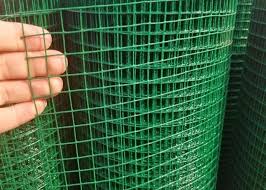
Plastic Poultry Mesh
Plastic mesh is popular for many poultry applications.
Advantages include:
- Lightweight handling
- Resistance to rust
- Easy installation
Cougar Nets offers:
Wire Poultry Mesh
Wire mesh provides strong physical protection.
Benefits include:
- Strength
- Long durability
- Predator resistance
PVC-Coated Mesh
PVC-coated options provide additional protection against corrosion.
They are useful in areas where moisture exposure is a concern.
For related livestock fencing solutions:
Comparing Plastic Mesh and Wire Mesh for Poultry Farming
Plastic Poultry Mesh
Best suited for:
- Temporary enclosures
- Chick areas
- Lightweight applications
Advantages:
- Easy to handle
- Does not rust
- Flexible
Wire Mesh
Best suited for:
- Permanent poultry houses
- High-security areas
Advantages:
- Stronger structure
- Better predator resistance
- Longer service life
Understanding Wire Gauge for Poultry Nets
Mesh size is important, but wire thickness also matters.
Wire gauge determines the strength of the material.
Thicker wire generally provides:
- Greater resistance
- Better durability
- Stronger barriers
Farmers should consider wire thickness based on:
- Bird type
- Predator risk
- Expected usage period
Benefits of Using Quality Poultry Nets in Kenya
1. Predator Protection
Strong poultry nets create a safer environment.
They help reduce risks from unwanted animals.
2. Better Farm Organisation
Netting allows farmers to create separate areas for:
- Chicks
- Layers
- Breeding birds
- Feeding zones
3. Improved Bird Management
Proper enclosures make it easier to:
- Monitor birds
- Provide care
- Manage feeding
4. Reduced Losses
Secure poultry housing helps prevent:
- Escapes
- Injuries
- Predator-related losses
5. Better Hygiene Control
Controlled spaces make cleaning and management easier.
How to Install Poultry Nets Correctly
Proper installation improves performance.
Step 1: Plan the Enclosure Area
Determine:
- Required size
- Number of birds
- Layout design
Step 2: Install Strong Support Posts
Posts should provide:
- Stability
- Proper net tension
- Long-term support
Step 3: Attach the Net Securely
Ensure:
- No large gaps
- Firm connections
- Proper alignment
Step 4: Inspect the Finished Structure
Check for:
- Weak points
- Open spaces
- Loose sections
Maintaining Poultry Nets for Longer Lifespan
Regular maintenance protects your investment.
Inspect Regularly
Check for:
- Holes
- Damage
- Loose attachments
Repair Small Damage Quickly
Small openings can become larger problems.
Keep Surrounding Areas Clear
Remove:
- Sharp objects
- Overgrown vegetation
- Materials that may damage nets
Protect Against Weather Exposure
Quality materials last longer when properly maintained.
Additional Farm Protection Solutions
Poultry farmers often require other agricultural netting products.
Anti-Bird Protection
Anti-bird nets help protect farms from unwanted bird activity.
Shade Protection for Poultry Houses
Shade nets help improve comfort by reducing excessive heat.
Boundary Fencing Solutions
Some farms require stronger perimeter fencing.
pvc-coated-chain-link-2-5mm-x-6ft-x-18m
Common Mistakes When Buying Poultry Nets in Kenya
Selecting the Cheapest Option
Low-cost materials may fail faster.
Using Incorrect Mesh Size
Large openings can create security risks.
Ignoring Predator Protection
Farm location should influence net selection.
Poor Installation
Even quality nets perform poorly when incorrectly installed.
Why Choose Cougar Nets for Poultry Nets in Kenya?
Cougar Nets provides reliable agricultural netting solutions for poultry farmers and businesses throughout Kenya and East Africa.
Customers benefit from:
Quality Products
Durable materials designed for farming environments.
Expert Guidance
Assistance selecting the right netting based on application.
Wide Product Range
Solutions for:
- Poultry
- Livestock
- Agriculture
- Construction
Reliable Supply
Supporting farmers across Kenya.
Visit:
For enquiries:
The Future of Poultry Farming in Kenya
As poultry farming continues expanding, farmers are increasingly adopting better housing and protection systems.
Quality Poultry Nets in Kenya help farmers improve:
- Bird safety
- Farm efficiency
- Production management
Selecting the correct mesh size is a simple but important decision that can significantly affect farming success.
Conclusion: Choose the Right Poultry Nets for a Safer Flock
Selecting the correct mesh size, wire thickness, and material is essential for successful poultry farming.
The right Poultry Nets in Kenya provide protection, improve farm organisation, and help farmers create safer environments for their birds.
Whether raising chicks, layers, broilers, or free-range chickens, investing in quality poultry netting delivers long-term benefits.
Cougar Nets provides dependable poultry and agricultural netting solutions designed for Kenyan farmers. With expert advice and durable products, farmers can build secure poultry systems that support healthier and more productive flocks.
Get Your Premium Netting Solutions Today!
For the best quality netting solutions for farming, construction, home, or any other project, look no further than Cougar Nets. Our team of experts is ready to help you choose the perfect product for your needs.
NATIONWIDE & EAST AFRICA DELIVERY AVAILABLE
✔ Premium quality nets for all applications
✔ Professional installation & expert advice
✔ Bulk orders & custom solutions available
✔ Serving Kenya (Nairobi, Eldoret, Nakuru), Uganda, Tanzania, Rwanda, Ethiopia & beyond.
Contact Us for a Quote:
Cougar Nets
Email: sales@cougarnets.com | info@cougarnets.com
Phone: +254 706 903 465
Visit Us: Darosa Plaza, Karen Rd, Nairobi
Website: https://cougarnets.co.ke/