No products in the cart.
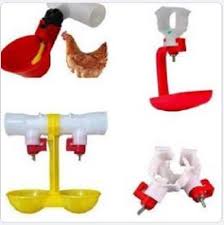
Poultry farming in Kenya has evolved rapidly, with modern systems prioritizing efficiency, hygiene, and sustainability. One of the most effective innovations for small and large-scale poultry operations is the nipple drinker system. These drinkers conserve water, maintain hygiene, and simplify farm management, making them the preferred choice among Kenyan farmers.
This guide explores nipple drinkers Kenya, their benefits, installation methods, maintenance strategies, cost considerations, and real-life case studies. By the end, poultry farmers will understand why investing in these systems improves both productivity and sustainability.
Why Water-Saving Poultry Drinkers Are Essential
Water is a critical resource in poultry farming. Traditional open waterers, troughs, or pans can lead to:
-
Water Waste: Spillage can account for up to 30–40% of total water used.
-
Hygiene Issues: Standing water promotes bacterial growth and disease.
-
Labor Intensity: Frequent cleaning and refilling increase farm labor costs.
-
Inconsistent Water Access: Uneven water distribution can stress birds, reducing egg production or growth rates.
Nipple drinkers Kenya solve these problems by delivering water directly to the bird, minimizing wastage and contamination, while providing continuous access to clean water.
Types of Poultry Nipple Drinkers
Selecting the right type of nipple drinker is critical for farm efficiency. Common types include:
1. Stainless Steel Nipple Drinkers
-
Durable, corrosion-resistant, and hygienic
-
Ideal for broilers and layers
-
Long lifespan even in humid Kenyan climates
2. Plastic Nipple Drinkers
-
Lightweight and cost-effective
-
Suitable for small-scale or mobile poultry farms
-
Easy to replace or expand as the flock grows
3. Multi-Pen Nipple Systems
-
Connect multiple pens with a single water source
-
Reduces plumbing complexity and labor
-
Ideal for commercial layer or broiler farms
4. Automatic Nipple Drinkers
-
Connected to tanks and automated water systems
-
Maintains consistent water levels
-
Reduces manual labor and ensures uninterrupted water supply
Benefits of Nipple Drinkers for Poultry Farms
Investing in nipple drinkers Kenya provides multiple advantages:
-
Water Conservation:
Each bird accesses water on demand, reducing spillage by up to 40%. -
Improved Hygiene:
Clean water delivery prevents disease caused by stagnant water and bacterial contamination. -
Labor Efficiency:
Less frequent cleaning and refilling saves time for farm workers. -
Better Growth and Egg Production:
Continuous access to water ensures healthy broilers and layers, improving weight gain and egg yield. -
Reduced Feed Contamination:
Unlike troughs, water does not spill onto feed, maintaining feed hygiene. -
Scalability:
Easy to expand for growing flocks without major infrastructure changes.
Case Study:
A layer farm in Nairobi upgraded to nipple drinkers Kenya. Within two months, water usage dropped by 35%, hygiene improved, and egg production increased by 10% due to consistent water access.
Choosing the Right Nipple Drinker for Your Farm
Factors to consider when selecting nipple drinkers Kenya:
-
Flock Size: Larger flocks require more nipples and higher water flow.
-
Bird Type: Broilers and layers may require different nipple heights or flow rates.
-
Water Source: Ensure sufficient water pressure and tank capacity.
-
Durability: UV-stabilized plastic or stainless steel is essential in the Kenyan climate.
-
Ease of Cleaning: Nipple systems should allow quick disassembly for sanitation.
Expert Tip: Always maintain at least one nipple per 8–10 birds to avoid competition and ensure uniform hydration.
Step-by-Step Installation Guide (Keyword Included)
Proper installation of nipple drinkers Kenya is crucial for maximizing efficiency. Follow these steps:
Step 1: Plan Your Layout
-
Measure the poultry house length and width.
-
Determine nipple placement based on bird height.
-
Ensure water supply lines are centrally located for easy distribution.
Step 2: Install Water Supply Lines
-
Use PVC or HDPE pipes to connect the main tank to the nipple system.
-
Ensure pipes are level to maintain uniform water flow.
-
Include ball valves for easy isolation during maintenance.
Step 3: Mount the Nipples
-
Attach nipples at the correct height:
-
Chicks: 5–8 cm above litter
-
Growers: 15–20 cm
-
Adult layers: 25–30 cm
-
-
Maintain a spacing of 8–10 birds per nipple.
Step 4: Test the System
-
Turn on the water supply and check each nipple for proper flow.
-
Adjust pressure using the regulator if some nipples leak or don’t deliver enough water.
Step 5: Clean and Sanitize
-
Before introducing birds, flush water lines with disinfectant.
-
Regular cleaning ensures hygiene and prevents biofilm buildup.
Step 6: Train Staff
-
Teach farm workers how to check water flow, clean the system, and report leaks promptly.
Pro Tip: Using nipple drinkers Kenya according to proper installation standards maximizes water savings and prevents bird stress.
Maintenance Tips for Nipple Drinkers
-
Daily Checks: Inspect for leaks, clogged nipples, and proper water flow.
-
Weekly Cleaning: Disassemble nipples and flush pipes with warm water and safe disinfectant.
-
Tank Sanitation: Clean and refill water tanks regularly to prevent algae growth.
-
Seasonal Inspection: Check for wear, UV damage, and replace aging nipples.
Proper maintenance ensures nipple drinkers Kenya remain efficient for years, protecting your investment and livestock health.
Cost Considerations
Costs vary depending on farm size and system type:
-
Small-Scale Farms: Plastic nipples, basic tanks, and simple piping are cost-effective.
-
Medium Farms: Stainless steel nipples with multi-pen systems and pressure regulators.
-
Commercial Operations: Fully automated nipple drinker systems connected to large-capacity tanks.
ROI: Water savings, reduced labor, improved flock health, and higher productivity make nipple drinkers a worthwhile investment for poultry farmers in Kenya.
Case Studies: Real Farms Using Nipple Drinkers Kenya
-
Kiambu Broiler Farm:
Installed stainless steel nipple drinkers for 1,200 birds. Water use dropped by 40%, and growth rate improved by 15%.
-
Nairobi Layer Farm:
Upgraded to nipple drinkers Kenya, improving egg production by 10% while reducing water wastage.
-
Machakos Small-Scale Poultry:
Installed plastic nipple drinkers for a 300-bird flock. Reduced litter wetting, improving hygiene and reducing mortality.
-
Meru Mobile Poultry Unit:
Used modular nipple drinkers connected to portable tanks, allowing efficient water management during rotational grazing.
Why Farmers Prefer Nipple Drinkers
-
Consistency: Every bird gets access to water simultaneously.
-
Sustainability: Conserves water, reduces farm waste, and aligns with eco-friendly practices.
-
Ease of Use: Minimal labor and simple maintenance.
-
Adaptability: Suitable for both small-scale and commercial poultry operations in Kenya.
Nipple drinkers are no longer a luxury—they are a necessity for modern, efficient poultry farming.
Related Applications
-
Quail Farming: Small, adjustable nipples provide precise water delivery.
-
Broiler Production: Prevents wet litter and reduces disease risks.
-
Layer Houses: Improves egg production with consistent water supply.
-
Organic and Free-Range Systems: Maintains hygiene and conserves water in environmentally sensitive farms.
Why Choose Cougar Nets for Nipple Drinkers in Kenya
Cougar Nets offers premium nipple drinkers Kenya, designed for durability, efficiency, and hygiene:
-
High-Quality Materials: Stainless steel and UV-stabilized plastic
-
eTIMS-Compliant Invoices: Ensures traceability and compliance
-
Professional Installation Services: Nationwide coverage including Nairobi, Kisumu, Mombasa, and surrounding regions
-
Custom Solutions: Modular or automated systems tailored to farm size and flock type
-
Proven Track Record: Numerous Kenyan farms report reduced water wastage, healthier flocks, and higher productivity
CTA: Upgrade your poultry farm with efficient, eTIMS-compliant nipple drinkers Kenya and expert installation services today.
Summary
Water-saving poultry systems like nipple drinkers are revolutionizing poultry farming in Kenya. With proper installation, maintenance, and material selection, nipple drinkers Kenya:
-
Conserve water by reducing spillage
-
Improve flock hygiene and health
-
Reduce labor and operational costs
-
Increase productivity and ROI
Investing in a high-quality nipple drinker system ensures sustainable, efficient, and profitable poultry farming.
Get Your Premium Netting Solutions Today!
For the best quality netting solutions for farming, construction, home, or any other project, look no further than Cougar Nets. Our team of experts is ready to help you choose the perfect product for your needs.
NATIONWIDE & EAST AFRICA DELIVERY AVAILABLE
- Premium quality nets for all applications
- Professional installation and expert advice
- Bulk orders and custom solutions available
- Serving Uganda, Kenya (Nairobi, Eldoret, Kisumu), Rwanda and beyond.
Contact Us for a Quote:
Cougar Nets
Email: sales@mft.co.ke | info@cougarnets.co.ke
Phone: +254 706 903 465
Visit Us: Darosa Plaza, Karen Rd, Nairobi
Website: https://cougarnets.co.ke/