No products in the cart.
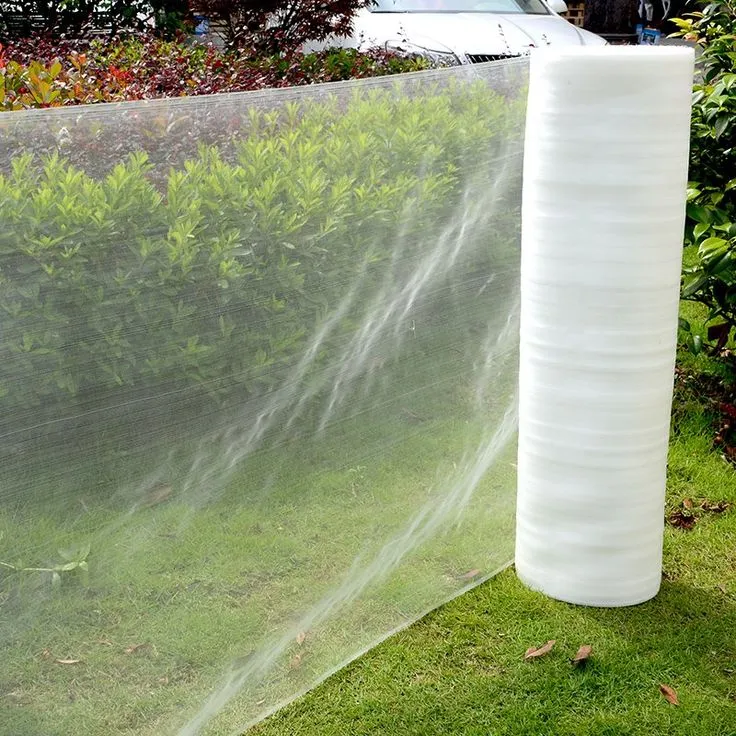
Choosing between woven vs knitted shade net depends on your crop type, climate conditions, and farming goals. In Kenya and East Africa, knitted greenhouse netting is often considered the better long-term investment because it offers improved airflow, UV resistance, flexibility, and durability. Woven shade nets are still useful for temporary agricultural structures and lower-budget farming projects.
Introduction
Farmers across Kenya, Uganda, Tanzania, and Rwanda are increasingly investing in durable farming nets to improve crop protection, greenhouse performance, and agricultural productivity. Whether you are growing vegetables in Nairobi, managing tomato farms in Eldoret, operating aquaculture systems in Kisumu, or farming in the hot coastal climate of Mombasa, choosing the right agricultural netting solution is critical.
Understanding the differences in woven vs knitted shade net systems helps farmers make informed decisions about greenhouse farming, vegetable production, aquaculture, livestock protection, and commercial agriculture. A proper agricultural shade cloth comparison allows growers to select UV stabilized shade nets that perform effectively under harsh East African weather conditions.
Many commercial growers and greenhouse operators source farming materials and protective systems directly from the Cougar Nets Shop to improve long-term agricultural efficiency.
What is a Woven Shade Net?
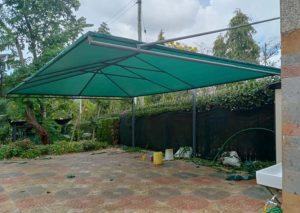
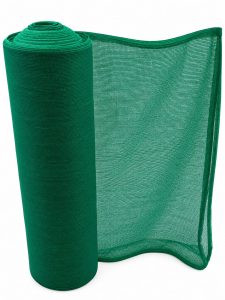
Woven shade nets are manufactured by weaving plastic tapes together in a crisscross structure. This creates a compact netting material that provides shade and basic environmental protection.
Woven shade nets are commonly used for:
- Temporary crop shading
- Livestock shelters
- Construction site covering
- Seasonal farming
- Nursery crop protection
Small-scale farmers across Kenya often prefer woven shade nets because of their relatively lower upfront cost.
Farmers installing temporary greenhouse structures frequently explore the Cougar Nets Hardware Collection for installation tools and support materials.
Advantages of Woven Shade Nets
Lower Initial Cost
One of the biggest advantages in the woven vs knitted shade net comparison is affordability. Woven nets are usually cheaper, making them ideal for short-term farming projects or budget-sensitive agricultural operations.
Strong Shade Coverage
Because woven nets are tightly manufactured, they provide effective sunlight reduction and moderate crop protection for temporary applications.
Suitable for Seasonal Farming
Woven shade nets are useful for:
- Temporary greenhouse projects
- Construction shading
- Livestock protection
- Seasonal vegetable farming
Many farmers combine woven nets with protective covers like PVC Tarpaulin 650GSM 60 x 1M Brown to strengthen outdoor structures against rain and harsh weather.
Limitations of Woven Shade Nets
Despite their affordability, woven shade nets have limitations that affect long-term farming performance.
Less Flexibility
Woven nets are more rigid compared to knitted greenhouse netting. Under strong wind pressure or tension, they may tear more easily.
Faster UV Damage
In regions like Mombasa and parts of Tanzania where sunlight intensity is high, woven shade nets may degrade faster if they are not properly UV stabilized.
Unraveling After Damage
Once punctured or cut, woven nets may unravel quickly, reducing durability and increasing maintenance requirements.
Reduced Airflow
Because woven nets are tightly constructed, airflow circulation may be lower. Poor ventilation can increase greenhouse temperatures and humidity, affecting crop health.
What is Knitted Greenhouse Netting?
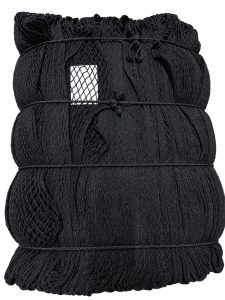
Knitted greenhouse netting is manufactured using interlocking loops that create a flexible and stretchable structure. This design improves durability, airflow, and resistance to environmental stress.
Across East Africa, knitted greenhouse netting has become increasingly popular for greenhouse farming and commercial agriculture because of its superior long-term performance.
Farmers looking for greenhouse support systems and farming accessories often browse the Cougar Nets Home & Garden Collection for agricultural solutions.
Advantages of Knitted Greenhouse Netting
Better UV Protection
Knitted UV stabilized shade nets are specifically designed to withstand harsh East African sunlight. This improves product lifespan while maintaining reliable crop protection for years.
Excellent Airflow and Ventilation
One of the major advantages in the agricultural shade cloth comparison is airflow. Knitted greenhouse netting allows better ventilation, reducing heat buildup and excess humidity.
This is especially important in humid regions like Kisumu and coastal Mombasa where proper airflow improves greenhouse crop performance.
Superior Durability
Knitted nets stretch under pressure rather than tearing immediately. This flexibility improves resistance to:
- Wind stress
- Outdoor weather exposure
- Daily greenhouse tension
- Structural movement
For greenhouse installation support, many farmers use Braided Rope 12mm x 100 to secure agricultural netting systems.
No Unraveling
Unlike woven nets, knitted greenhouse netting does not unravel easily when damaged. This greatly improves durability and reduces replacement frequency.
Agricultural Shade Cloth Comparison: Which Performs Better?
Durability
In most long-term agricultural applications, knitted greenhouse netting outperforms woven shade cloth. It handles stretching, wind pressure, and UV exposure more effectively.
Climate Suitability
Nairobi
Knitted nets help maintain stable greenhouse temperatures for urban farming and commercial vegetable production.
Mombasa
The hot and humid coastal climate benefits from knitted UV stabilized shade nets because they improve airflow and reduce heat stress.
Kisumu
Kisumu farmers involved in greenhouse farming and aquaculture prefer knitted greenhouse netting for better ventilation and moisture management.
Fish farmers in the region also use Fish Pond Cover Nets Kenya and Circular Fish Cages Kenya to improve aquaculture protection.
Eldoret
Both woven and knitted nets perform well in Eldoret depending on crop requirements and greenhouse design.
Crop Protection
Knitted greenhouse netting distributes sunlight more evenly across crops, reducing plant stress and supporting healthier vegetable growth.
Vegetable farmers also use Benefits of Using Anti Bird Nets to protect greenhouse crops against bird damage while maintaining airflow.
Long-Term Value
Although woven shade nets may have lower initial costs, knitted UV stabilized shade nets usually deliver better long-term value because they last longer and require less maintenance.
Why UV Stabilized Shade Nets Matter
East African climates expose agricultural materials to harsh UV radiation and unpredictable weather. UV stabilized shade nets are specially treated to resist sunlight damage while maintaining flexibility and structural integrity.
Benefits include:
- Longer lifespan
- Reduced brittleness
- Better greenhouse performance
- Improved crop protection
- Lower maintenance costs
For greenhouse planning and accurate installations, many farmers use the 7140-5A Measuring Tape 5 Mtrs during greenhouse construction.
Best Applications for Woven and Knitted Shade Nets
Knitted Greenhouse Netting is Best For:
- Commercial greenhouse farming
- Vegetable production
- Flower farming
- Long-term agricultural projects
- Aquaculture systems
- Poultry ventilation
Poultry farmers can also browse the Cougar Nets Poultry Farming Collection for modern poultry farming solutions.
Woven Shade Nets are Best For:
- Temporary shade structures
- Construction site covering
- Seasonal farming projects
- Budget farming operations
People Also Ask
Best nets in Kenya?
The best nets in Kenya are UV stabilized agricultural nets designed for long-term outdoor use. Knitted greenhouse netting is widely preferred because of its durability and airflow performance.
How long do nets last in East Africa?
Premium UV stabilized shade nets can last between 5–10 years depending on installation quality, weather exposure, and maintenance practices.
Which nets are best for farming and fishing?
Knitted UV stabilized nets are ideal because they provide better airflow, flexibility, and environmental resistance for agriculture and aquaculture.
Are premium nets worth it?
Yes. Premium durable farming nets improve crop protection, reduce maintenance costs, and provide better long-term agricultural value.
FAQ Section
What is the difference between woven vs knitted shade net?
Woven shade nets are made using tightly woven plastic strips, while knitted greenhouse netting uses interlocking loops that improve flexibility, durability, and airflow.
Which shade net lasts longer?
Knitted UV stabilized shade nets generally last longer because they resist tearing, UV damage, and unraveling more effectively than woven nets.
Are knitted shade nets better for greenhouse farming?
Yes. Knitted greenhouse netting provides better airflow, flexibility, and temperature regulation, making it ideal for greenhouse farming in Kenya and East Africa.
Can woven shade nets be used outdoors?
Yes. Woven shade nets are suitable for temporary outdoor applications such as seasonal farming projects, livestock shelters, and construction shading.
Why are UV stabilized shade nets important?
UV stabilized shade nets resist damage caused by harsh sunlight, helping farmers reduce replacement costs while maintaining reliable crop protection.
Which shade net is best for vegetable farming?
Knitted greenhouse netting is often the best option for vegetable farming because it improves ventilation, regulates temperature, and supports healthier crop growth.
Related Products
{{COUGARNETSPROTECT15END}}
Ideal for fish farmers seeking reliable protection against predators, debris, and environmental contamination in aquaculture systems.
{{COUGARNETSPROTECT16END}}
Protects greenhouse vegetables and fruits from bird damage while maintaining proper airflow and sunlight penetration.
{{COUGARNETSPROTECT17END}}
Useful for reinforcing greenhouse structures and protecting farming equipment against harsh weather conditions.
{{COUGARNETSPROTECT18END}}
Provides strong fastening support for greenhouse shade net installations and outdoor farming structures.
{{COUGARNETSPROTECT19END}}
Supports clean irrigation systems for greenhouse farming and intensive crop production across East Africa.
For the best quality netting solutions for farming, construction, home, aquaculture, and greenhouse projects, Cougar Nets provides durable and reliable agricultural protection systems across Kenya and East Africa. Farmers can also explore the FAQ Page, manage purchases through the Cart, or save preferred products in the Wishlist.
Contact Us for a Quote
For premium UV stabilized shade nets, greenhouse netting, agricultural protection systems, and durable farming nets across Kenya and East Africa, contact Cougar Nets today.
- Cougar Nets Official Website
- Email: sales@cougarnets.com | info@cougarnets.com
- Phone: +254 706 903 465
- Visit Us: Darosa Plaza, Karen Rd, Nairobi