No products in the cart.
Agriculture in Kenya and across East Africa is undergoing a critical transformation. Rising input costs, climate variability, water scarcity, pest pressure, and increasing demand for high-quality produce are forcing farmers to rethink traditional farming methods. To remain competitive, profitable, and sustainable, modern farmers are adopting smarter farming systems built around protection, efficiency, and data-driven decision-making{{COUGARNETSPROTECT0END}}
At the heart of smart farming lies the strategic use of agricultural nets, water pumping systems, and monitoring tools. These technologies work together to protect crops and livestock, optimize water usage, control pests, and improve overall farm productivity. From smallholder vegetable growers to large-scale agribusinesses, smarter farms are no longer optional—they are essential.
This guide explains how nets, pumps, and monitoring tools are shaping smarter farms in Kenya, how each component works, and how to choose the right solutions for your specific agricultural operation.
Understanding Smart Farming Systems
Smart farming is not about replacing farmers with machines. It is about using the right tools to reduce risk, improve efficiency, and increase yields. A smart farm integrates:
-
Physical protection systems (nets and enclosures)
-
Efficient water management (pumps and irrigation)
-
Monitoring and control tools (sensors and meters)
When properly combined, these systems allow farmers to control the growing environment rather than react to problems after they occur.
The Role of Agricultural Nets in Smart Farming
Why Nets Are Foundational to Modern Farms
Agricultural nets form the first line of defense in smart farming. They protect crops, animals, and farm infrastructure from environmental stress, pests, and physical damage. Unlike chemicals or temporary solutions, high-quality nets offer long-term, passive protection that works continuously.
Cougar Nets supplies a wide range of agricultural netting solutions designed specifically for Kenyan farming conditions, available through https://cougarnets.co.ke/product-category/home-garden/ and specialized agricultural product pages.
Shade Nets: Managing Sunlight and Temperature
How Shade Nets Improve Farm Productivity
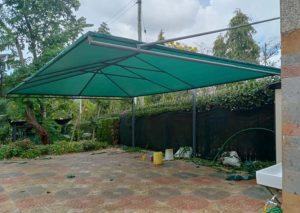
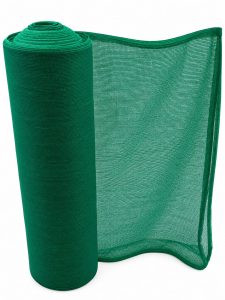
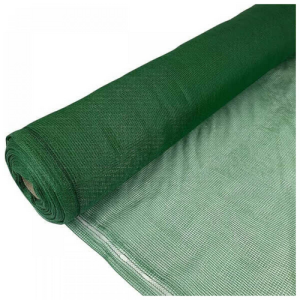
Shade nets regulate light intensity and temperature, reducing plant stress caused by excessive heat and solar radiation. In Kenya’s high-temperature regions, unprotected crops often suffer from sunburn, moisture loss, and reduced growth rates.
Using shade nets in Kenya helps farmers:
-
Lower canopy temperatures
-
Improve moisture retention
-
Reduce crop wilting
-
Enhance crop uniformity and quality
Shade nets are commonly used in:
-
Vegetable farming
-
Flower farms
-
Tree nurseries
-
Greenhouses
-
Livestock shelters
High-quality shade netting options are available at https://cougarnets.co.ke/product/shade-nets/, with premium selections such as https://cougarnets.co.ke/product/premium-shade-nets/ designed for long-term use.
Shade Percentage and GSM Explained
Shade nets are defined by:
-
Shade percentage (amount of sunlight blocked)
-
GSM (grams per square meter) indicating strength and durability
For example, 80% shade nets provide strong sun protection while still allowing airflow. Heavy-duty options like the 80–320 GSM shade net available at https://cougarnets.co.ke/product/shade-net-80-320gsm/ are ideal for commercial farming operations.
Insect Nets: Reducing Pest Pressure Without Chemicals
Why Insect Control Is Critical in Smart Farming
Pests are one of the biggest causes of crop loss in Kenya. Traditional pest control relies heavily on chemicals, which increase production costs, reduce export eligibility, and harm beneficial insects.
Insect nets offer a physical barrier that:
-
Prevents insects from reaching crops
-
Reduces the need for pesticides
-
Improves produce quality
-
Supports organic and export farming standards
Fine-mesh insect netting such as https://cougarnets.co.ke/product/insect-net-40-mesh-5m-by-100m/ is widely used in greenhouses and open-field farming.
Anti-Bird Nets and Crop Protection
Bird damage can wipe out entire harvests, especially in fruit farming and grain production. Anti-bird nets protect crops without harming wildlife and are widely used in:
-
Fruit orchards
-
Seed farms
-
Grain storage areas
Effective anti-bird netting solutions are available at https://cougarnets.co.ke/product/anti-bird-net-30-m-x-10m/ and related product variants.
Poultry and Livestock Netting Solutions
Improving Animal Health and Biosecurity
Smart livestock farming relies on controlled environments. Nets help:
-
Improve ventilation
-
Reduce heat stress
-
Prevent predator access
-
Enhance hygiene and biosecurity
Plastic poultry mesh such as https://cougarnets.co.ke/product/poultry-mesh-400g/ is commonly used in poultry houses, rabbit enclosures, and small livestock units.
Water Pumps: The Backbone of Efficient Irrigation
Why Water Management Defines Farm Success
Water is the most critical input in agriculture. Smart farms focus on efficient water delivery, not just water availability. Pumps enable farmers to:
-
Irrigate consistently
-
Drain excess water
-
Supply livestock
-
Maintain fish ponds
Without reliable pumping systems, even the best nets and seeds cannot deliver results.
Diesel Water Pumps for Agriculture
Reliable Power for Rural Farming
Diesel water pumps are widely used across Kenya due to their reliability and independence from electricity. They are ideal for:
-
River abstraction
-
Boreholes
-
Dam irrigation
-
Remote farms
High-performance water pumps are available through https://cougarnets.co.ke/product/water-pump/, offering durable solutions for both small and large farms.
Pumps in Aquaculture and Fish Farming
Fish farming is one of the fastest-growing agricultural sectors in Kenya. Successful aquaculture depends on:
-
Water circulation
-
Oxygenation
-
Clean water flow
Farmers use pumps to maintain water quality and support aeration systems. Products like aerator pumps available at https://cougarnets.co.ke/product/aerator-pump-kenya/ are essential for healthy fish growth.
Fish ponds are often protected using cover nets such as https://cougarnets.co.ke/product/fish-pond-cover-net/ to prevent predation and contamination.
Monitoring Tools: Turning Farms Into Data-Driven Operations
Why Monitoring Is a Core Element of Smart Farming
Monitoring tools transform farming from guesswork into precision management. Instead of reacting to problems, farmers can detect issues early and take corrective action.
Key monitoring areas include:
-
Water quality
-
Oxygen levels
-
Temperature
-
System performance
Dissolved Oxygen and Water Quality Monitoring
In aquaculture, dissolved oxygen levels directly affect fish survival and growth rates. Low oxygen leads to stress, disease, and mortality.
Monitoring tools such as dissolved oxygen meters available at https://cougarnets.co.ke/product/dissolved-oxygen-meter-kenyan-best/ allow farmers to:
-
Detect oxygen drops early
-
Optimize aerator usage
-
Improve feed conversion efficiency
-
Reduce losses
Integrating Nets, Pumps, and Monitoring Tools
How Smart Farm Systems Work Together
A truly smart farm does not use these tools in isolation. Instead, they are integrated into a single system:
-
Shade nets regulate temperature and light
-
Insect and bird nets protect crops and livestock
-
Pumps deliver controlled water supply
-
Monitoring tools track performance and risks
For example, a fish farm may use:
-
Pond cover nets
-
Water pumps for circulation
-
Aerator pumps
-
Oxygen monitoring meters
Together, these components create a controlled, efficient production environment.
Choosing the Right Solutions for Your Farm
Factors to Consider
When building or upgrading a farm, consider:
-
Farm type (crops, livestock, aquaculture)
-
Climate and location
-
Scale of operation
-
Water source and availability
-
Long-term durability
-
Supplier expertise and support
Working with an experienced supplier ensures correct product selection, installation advice, and long-term performance.
Why Cougar Nets Is the Preferred Partner for Smart Farms
Cougar Nets has established itself as a leading supplier of agricultural netting, water management, and farm support solutions in Kenya and East Africa.
Key advantages include:
-
Premium UV-stabilized nets
-
Industry-specific solutions
-
Proven durability in Kenyan climates
-
Nationwide and regional delivery
-
Expert technical guidance
Explore the full product range at https://cougarnets.co.ke/ or speak to the team through https://cougarnets.co.ke/contact-us/.
Conclusion: Smarter Farms Mean Sustainable Profits
The future of farming in Kenya depends on smarter systems that reduce risk, conserve resources, and increase productivity. By investing in high-quality nets, reliable pumps, and effective monitoring tools, farmers gain control over their production environment and unlock consistent, long-term returns.
Smart farming is not about complexity—it is about making better decisions with the right tools. With the right partner, building a smarter farm becomes a practical, achievable goal.
Call to Action (CTA)
Get Your Premium Netting Solutions Today!
For the best quality netting solutions for farming, construction, home, or any other project, look no further than Cougar Nets. Our team of experts is ready to help you choose the perfect product for your needs.
NATIONWIDE & EAST AFRICA DELIVERY AVAILABLE
Premium quality nets for all applications
Professional installation & expert advice
Bulk orders & custom solutions available
Serving Kenya (Nairobi, Mombasa, Kisumu), Uganda, Tanzania, Rwanda & beyond.
Contact Us for a Quote:
Cougar Nets
Email: sales@cougarnets.com | info@cougarnets.com
Phone: +254 706 903 465