No products in the cart.
Beginner Hydroponic Farming Guide Kenya: Equipment Needed
Hydroponics is transforming modern agriculture by allowing farmers to grow crops without soil. With limited land, rising input costs, and water scarcity, hydroponic farming Kenya is becoming a practical solution for both urban and rural growers.
If you’re new to soilless farming Kenya, this beginner-friendly guide explains the essential equipment, setup process, and cost considerations to help you get started successfully.
What Is Hydroponic Farming?
Hydroponics is a method of growing plants using nutrient-rich water instead of soil. The plant roots are supported by inert growing media such as cocopeat, perlite, or rockwool.
Benefits of hydroponic farming Kenya include:
-
Up to 80–90% water savings
-
Faster plant growth
-
Higher yields per square meter
-
Reduced pests and soil diseases
-
Year-round production
This makes it ideal for indoor farming Kenya and controlled environments.
Types of Hydroponic Systems for Beginners
Before buying hydroponic equipment Kenya, choose the system that fits your budget and crop type.
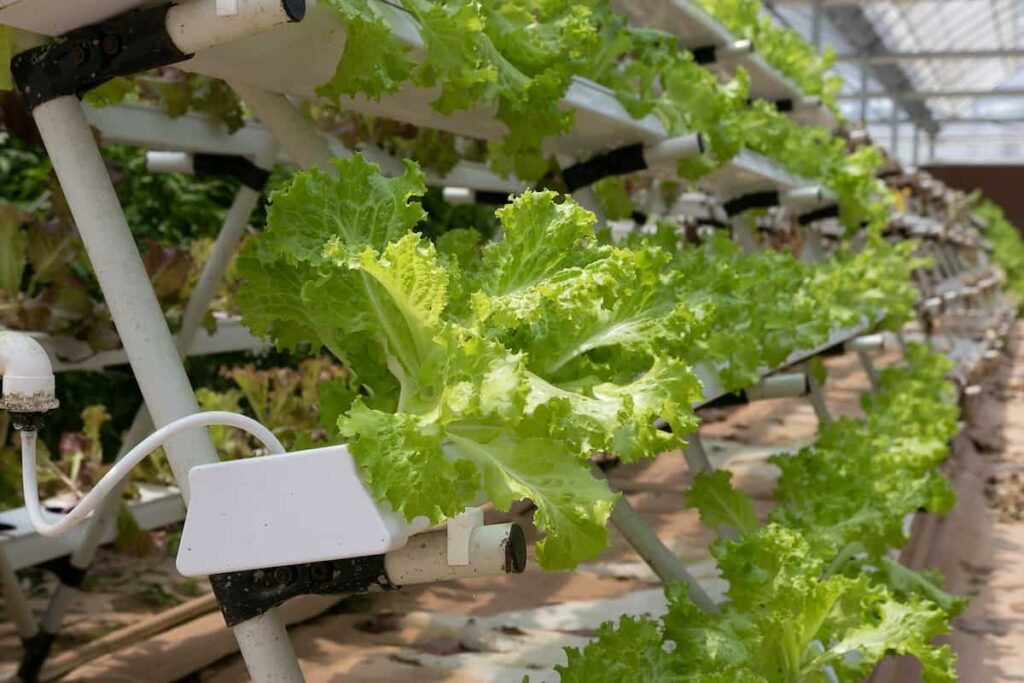
1. Nutrient Film Technique (NFT)
-
Ideal for leafy vegetables (lettuce, spinach, herbs)
-
Water flows continuously through narrow channels
2. Deep Water Culture (DWC)
-
Roots suspended in oxygenated nutrient solution
-
Suitable for beginners
3. Drip Hydroponics
-
Controlled drip feeding to each plant
-
Suitable for tomatoes, capsicum, strawberries
4. Vertical Hydroponics
-
Maximizes small spaces
-
Perfect for urban farming
Many farmers practicing greenhouse hydroponics Nairobi prefer NFT systems due to simplicity and efficiency.
Essential Hydroponic Equipment Kenya
To start hydroponic farming Kenya, you’ll need:
1. Growing Structure
-
Greenhouse or indoor growing room
-
UV-treated greenhouse plastic
-
Proper ventilation
Hydroponics performs best inside controlled environments like greenhouses in Nairobi and peri-urban areas.
2. Growing Channels or Containers
-
PVC pipes (for NFT)
-
Food-grade containers
-
Growing trays
3. Water Tank/Reservoir
-
Stores nutrient solution
-
Should be covered to prevent contamination
4. Water Pump
-
Circulates nutrient solution
-
Must match system size
5. Air Pump & Air Stones (for DWC)
-
Supplies oxygen to roots
-
Prevents root rot
6. Growing Media
Common options:
-
Cocopeat
-
Perlite
-
Rockwool
-
Clay pellets
These support plants in soilless farming Kenya systems.
7. Nutrient Solutions
Hydroponic nutrients contain:
-
Nitrogen (N)
-
Phosphorus (P)
-
Potassium (K)
-
Micronutrients
Always use balanced nutrient mixes specifically designed for hydroponics.
8. pH & EC Meters
Monitoring tools are critical.
-
Ideal pH: 5.5–6.5
-
EC depends on crop type
Without proper monitoring, crops may suffer nutrient deficiencies.
Step-by-Step Hydroponic Setup Guide
Step 1: Choose Location
Select an area with:
-
Adequate sunlight
-
Access to clean water
-
Stable electricity supply
Hydroponic farming Kenya works well in regions like Thika and Nakuru, where vegetable demand is high.
Step 2: Install Greenhouse (Optional but Recommended)
For greenhouse hydroponics Nairobi, ensure:
-
Proper orientation (East–West alignment)
-
Good ventilation
-
Insect-proof netting
Step 3: Assemble System
-
Set up growing channels
-
Connect pump and reservoir
-
Test water circulation
Step 4: Prepare Nutrient Solution
-
Fill reservoir with clean water
-
Add nutrients according to instructions
-
Adjust pH levels
Step 5: Transplant Seedlings
Start seedlings separately, then transfer to hydroponic channels once roots develop.
Hydroponic Setup Costs Kenya (Beginner Estimate)
Costs vary depending on scale:
| Item | Estimated Cost Range (KES) |
|---|---|
| Small Greenhouse (8x15m) | 150,000 – 250,000 |
| Basic NFT System | 50,000 – 120,000 |
| Pumps & Accessories | 15,000 – 30,000 |
| Nutrients & Testing Tools | 10,000 – 20,000 |
Total beginner investment: Approx. 200,000 – 400,000 KES
However, indoor farming Kenya setups can start smaller using simple DWC buckets.
Advantages of Hydroponic Farming Kenya
-
Higher yield per unit area
-
Faster crop cycles
-
Reduced pesticide use
-
Efficient water use
-
Urban farming suitability
Hydroponics is especially valuable where land is limited.
Common Beginner Mistakes
-
Ignoring pH levels
-
Using poor-quality hydroponic equipment Kenya
-
Overfeeding nutrients
-
Poor ventilation
-
Inconsistent monitoring
Daily system checks are essential for success.
Is Hydroponic Farming Profitable in Kenya?
Yes—if managed correctly.
High-demand crops include:
-
Lettuce
-
Spinach
-
Strawberries
-
Cherry tomatoes
-
Herbs
With consistent supply contracts to supermarkets and hotels, hydroponic farming Kenya can generate strong returns, especially in urban markets.
Final Thoughts
Starting hydroponic farming Kenya requires planning, quality hydroponic equipment Kenya, and proper system management. Whether you’re interested in greenhouse hydroponics Nairobi or indoor farming Kenya, hydroponics offers a modern, water-efficient path to higher yields and year-round production.
Get Your Premium Netting Solutions Today!
For the best quality netting solutions for farming, construction, home, or any other project, look no further than Cougar Nets. Our team of experts is ready to help you choose the perfect product for your needs.
NATIONWIDE & EAST AFRICA DELIVERY AVAILABLE
- Premium quality nets for all applications
- Professional installation and expert advice
- Bulk orders and custom solutions available
- Serving Rwanda, Ethiopia, Kenya (Nairobi, Eldoret, Kisumu) and beyond.
Contact Us for a Quote:
Cougar Nets
Email: sales@mft.co.ke | info@cougarnets.co.ke
Phone: +254 706 903 465
Visit Us: Darosa Plaza, Karen Rd, Nairobi
Website: https://cougarnets.co.ke/