No products in the cart.
The Science Behind Shade Nets, Pond Covers, and Agricultural Mesh
Introduction
Agricultural shade nets are no longer simple coverings placed over crops. They are scientifically engineered farming tools designed to manipulate light, temperature, airflow, and physical protection in highly controlled ways. Alongside pond covers and agricultural mesh, these materials form the backbone of modern, high-efficiency farming systems in Kenya and across East Africa.
Professional farmers, agribusinesses, and aquaculture operators are increasingly relying on these solutions not because they are trendy, but because the science behind them delivers measurable results: higher yields, lower losses, improved safety, and better resource efficiency.
This article explores the science behind shade nets, pond covers, and agricultural mesh, explaining how these materials work, why they are effective, and how Kenyan farmers are using them to gain a competitive edge in agriculture and aquaculture.
Understanding the Role of Science in Modern Agricultural Netting
Modern agricultural nets are built on principles from:
-
Plant physiology
-
Microclimate control
-
Material science
-
Fluid dynamics
-
Animal behavior
These nets are not random fabrics. Every weave pattern, mesh size, GSM rating, and polymer choice is intentional. When properly selected, agricultural nets modify environmental conditions in ways that favor crops, livestock, and fish while reducing stress and losses.
Suppliers such as https://cougarnets.co.ke/ provide netting solutions that are specifically designed for East African farming conditions, where UV exposure, heat, pests, and unpredictable weather are major challenges.
The Science Behind Agricultural Shade Nets
How Shade Nets Control Light Intensity
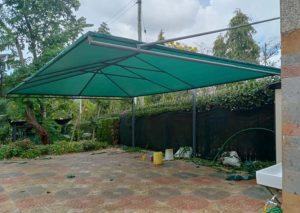
Plants rely on light for photosynthesis, but too much direct sunlight causes stress, leaf burn, and reduced productivity. Shade nets work by filtering solar radiation rather than blocking it entirely.
Agricultural shade nets reduce:
-
Excessive light intensity
-
Leaf surface temperature
-
Soil moisture evaporation
This controlled shading improves photosynthetic efficiency rather than limiting it.
GSM Ratings and Light Diffusion
The effectiveness of a shade net is measured partly by its GSM (grams per square meter). GSM affects:
-
Shading percentage
-
Structural strength
-
Durability
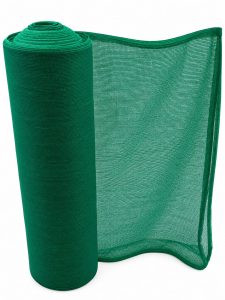
For example, medium-to-high GSM nets like those available at https://cougarnets.co.ke/product/shade-net-80-320gsm/ are designed to provide balanced shading while maintaining airflow. This makes them ideal for:
-
Greenhouses
-
Vegetable farming
-
Flower production
-
Seedling nurseries
Heat Stress Reduction
Shade nets lower ambient temperatures beneath the canopy by several degrees. This is critical in Kenyan regions such as Eastern Kenya, Rift Valley, and parts of Coastal Kenya where heat stress can:
-
Slow plant growth
-
Cause flower abortion
-
Reduce fruit quality
By controlling radiant heat, shade nets protect plant physiology and stabilize growth cycles.
Wind and Transpiration Control
Excessive wind increases transpiration, causing plants to lose water faster than roots can absorb it. Shade nets reduce wind speed without fully blocking airflow, allowing:
-
Better water retention
-
Reduced irrigation needs
-
Improved nutrient uptake
This balance is why shade nets are widely used in modern farming systems across Kenya.
Explore the full category of engineered shade nets at https://cougarnets.co.ke/product/shade-nets/.
The Science Behind Agricultural Mesh
What Is Agricultural Mesh?
Agricultural mesh refers to netting materials designed to physically exclude pests, animals, or unwanted movement while maintaining ventilation and visibility. This includes:
-
Insect nets
-
Anti-bird nets
-
Rabbit and livestock mesh
Each type serves a distinct scientific function.
Insect Nets: Physical Pest Exclusion
Mesh Size and Insect Biology
Insect nets are designed based on pest size and behavior. Fine mesh insect nets physically prevent insects from accessing crops while allowing air and light to pass through.
High-quality insect nets like https://cougarnets.co.ke/product/insect-net-40-mesh-5m-by-100m/ are engineered to:
-
Block aphids, thrips, whiteflies, and moths
-
Maintain airflow to prevent humidity buildup
-
Reduce disease transmission
Reducing Chemical Dependency
By interrupting pest life cycles, insect nets significantly reduce the need for pesticides. This leads to:
-
Lower production costs
-
Safer working conditions
-
Compliance with export residue limits
The science is simple: no insect contact, no infestation.
Anti-Bird Nets: Behavioral Science at Work
Why Birds Target Crops
Birds are attracted to crops by color, movement, and exposed food sources. Anti-bird nets work by removing access, not frightening birds.
Durable anti-bird nets such as https://cougarnets.co.ke/product/anti-bird-net-30-m-x-10m/ create a physical barrier that:
-
Prevents pecking and feeding
-
Protects fruit, grains, and seedlings
-
Does not harm wildlife
Long-Term Effectiveness
Unlike scarecrows or noise devices, nets provide consistent protection throughout the season, making them the most scientifically reliable bird control solution.
Poultry Mesh: Containment and Biosecurity Science
Why Plastic Poultry Mesh Outperforms Wire
Traditional wire mesh rusts, injures birds, and creates sanitation problems. Plastic poultry mesh uses UV-stabilized polymers that:
-
Do not corrode
-
Are smooth and safe
-
Resist bacteria buildup
The poultry mesh available at https://cougarnets.co.ke/product/poultry-mesh-400g/ is engineered for:
-
Poultry enclosures
-
Duck and turkey farming
-
Small livestock containment
Disease Prevention
Controlled movement and proper ventilation reduce disease transmission, improving flock health and productivity.
The Science Behind Pond Covers in Aquaculture
Why Pond Covers Are Essential
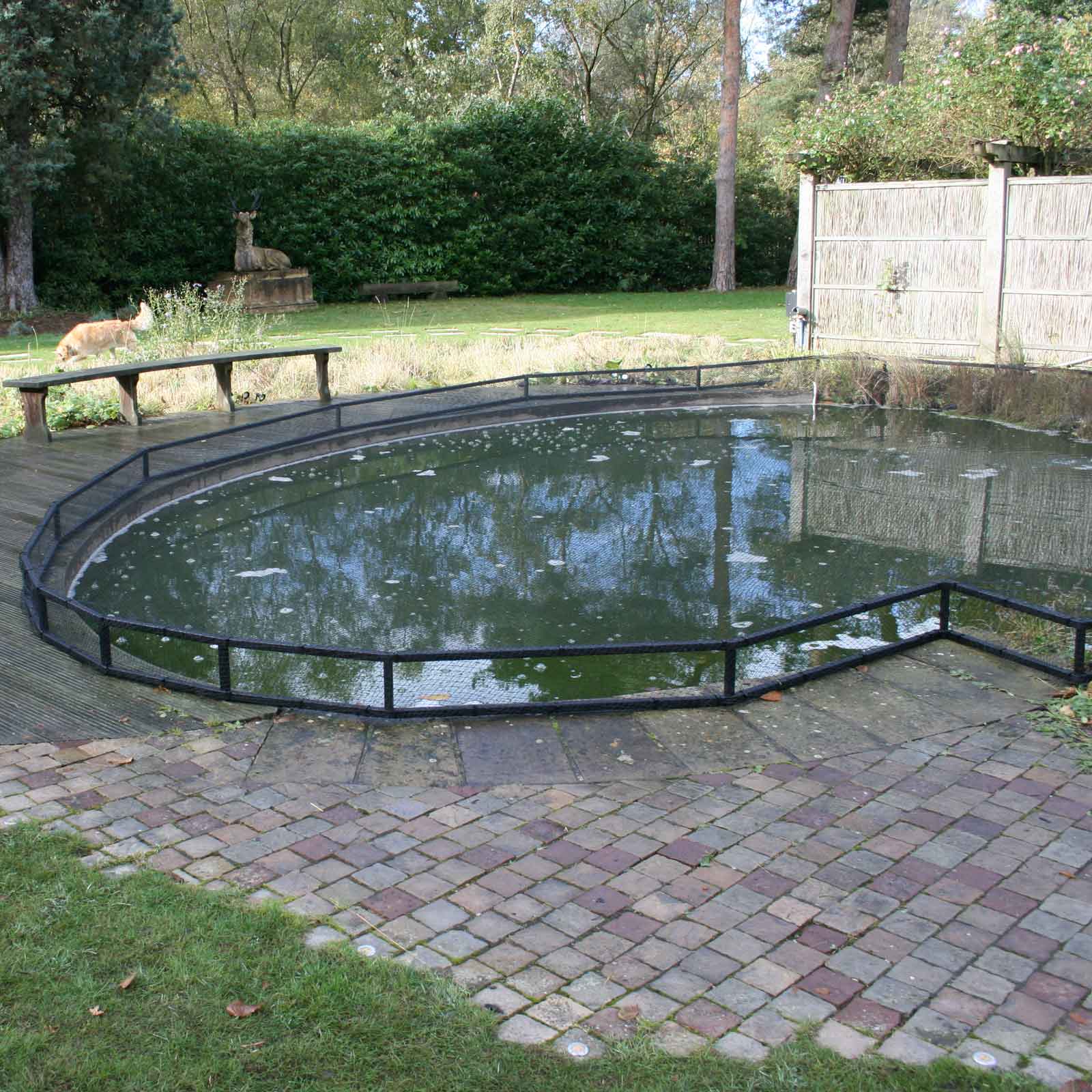
Fish farming systems are highly sensitive to environmental disruption. Pond covers act as protective control layers, addressing multiple risk factors simultaneously.
Fish pond cover nets like https://cougarnets.co.ke/product/fish-pond-cover-net/ are designed to:
-
Prevent bird predation
-
Reduce debris contamination
-
Stop fish from jumping out
-
Limit algae-promoting debris
Light Penetration and Water Temperature
Uncontrolled sunlight increases water temperature and algae growth. Pond covers regulate:
-
Light penetration
-
Water temperature stability
-
Oxygen consumption
This creates a healthier aquatic environment for fish growth.
Fish Cage Net Materials: Engineering for Aquatic Stress
Water Pressure and Material Science
Fish cage nets operate under constant water pressure, movement, and biological exposure. Poor-quality materials degrade quickly, causing escapes and losses.
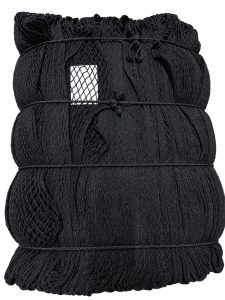
High-performance cage materials like https://cougarnets.co.ke/product/fish-cage-net-mat/ are engineered to:
-
Resist abrasion
-
Withstand biofouling
-
Maintain structural integrity
Stock Security and Growth Efficiency
Secure cages allow farmers to increase stocking density safely, improving profitability without increasing risk.
Aeration Science: Oxygen Is Everything
Dissolved Oxygen and Fish Survival
Fish require dissolved oxygen to survive. Warm water, high stocking density, and organic waste reduce oxygen levels rapidly.
Aeration systems like https://cougarnets.co.ke/product/aerator-pump-kenya/ improve:
-
Oxygen circulation
-
Waste breakdown
-
Fish metabolism
From a scientific standpoint, oxygen control is the single most critical factor in intensive aquaculture.
Supporting Materials That Enhance Net Performance
PVC Tarpaulins and Environmental Control
PVC tarpaulins such as https://cougarnets.co.ke/product/pvc-tarpaulin-650-gsm/ are used to:
-
Protect harvested produce
-
Create temporary shelters
-
Cover equipment and feed
Braided Ropes and Load Distribution
Strong braided ropes like https://cougarnets.co.ke/product/braided-rope-10mm/ ensure:
-
Even net tension
-
Secure installations
-
Structural reliability
Proper installation is essential to net performance and longevity.
Why Material Quality Matters in Agricultural Nets
High-quality nets are made from UV-stabilized HDPE or PVC materials, which:
-
Resist sun degradation
-
Maintain tensile strength
-
Offer multi-season durability
Low-quality nets degrade quickly under Kenyan UV exposure, resulting in higher long-term costs.
Choosing the Right Net Based on Scientific Principles
Farmers should consider:
-
Crop or livestock type
-
Climate conditions
-
Pest pressure
-
Light and airflow needs
-
Expected lifespan
Expert suppliers like Cougar Nets help farmers match scientific requirements to the correct netting solution. Learn more or request guidance via https://cougarnets.co.ke/contact-us/.
The Role of Cougar Nets in Science-Based Farming
Cougar Nets supplies application-specific, scientifically engineered netting solutions tailored for:
-
Agriculture
-
Aquaculture
-
Construction
-
Safety
By combining technical knowledge with local experience, Cougar Nets supports smarter farming across Kenya and East Africa.
Conclusion: Science Is the Future of Farming
The effectiveness of shade nets, pond covers, and agricultural mesh is rooted in science, not guesswork. These tools control light, temperature, airflow, pests, and physical access in ways that directly improve productivity and safety.
As Kenyan farming becomes more professional and data-driven, understanding and applying the science behind agricultural netting will define long-term success.
Get Your Premium Netting Solutions Today!
For the best quality netting solutions for farming, construction, home, or any other project, look no further than Cougar Nets. Our team of experts is ready to help you choose the perfect product for your needs.
NATIONWIDE & EAST AFRICA DELIVERY AVAILABLE
Premium quality nets for all applications
Professional installation & expert advice
Bulk orders & custom solutions available
Serving Kenya (Nairobi, Thika, Nyeri), Uganda, Tanzania, Rwanda, Ethiopia & beyond.
Contact Us for a Quote:
Cougar Nets
Email: sales@cougarnets.com | info@cougarnets.com
Phone: +254 706 903 465
Visit Us: Darosa Plaza, Karen Rd, Nairobi
Website: https://cougarnets.co.ke/