No products in the cart.
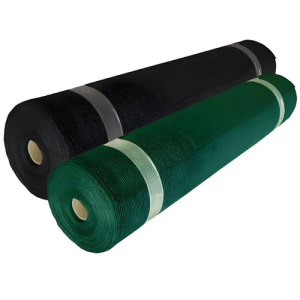
The Debate Of black vs green shade net Is Increasingly Important In Modern Agriculture Across Kenya And East Africa. The Choice Of black vs green shade net Directly Influences Crop Performance, Especially As Farmers Respond To Rising Temperatures, Unpredictable Rainfall, And Expanding Greenhouse Farming Systems In Regions Such As Nairobi, Mombasa, Kisumu, And Eldoret. Many Commercial And Smallholder Farmers Now Carefully Evaluate black vs green shade net Options Before Installing Any Crop Protection System To Ensure Maximum Yield Efficiency. The Use Of black vs green shade net Has Also Become A Key Factor In Managing Heat Stress, Water Retention, And Light Diffusion Across Different Crop Types.
Shade Nets Are Widely Used In Vegetable Farming, Floriculture, And Greenhouse Production Across Uganda, Tanzania, And Rwanda, Where Climatic Conditions Vary Significantly Between Regions. Farmers Increasingly Compare black vs green shade net Performance To Match Specific Crop Needs Such As Leafy Vegetables, Tomatoes, And Nursery Plants. In Controlled Environments, black vs green shade net Selection Helps Determine Plant Height, Leaf Density, And Flowering Speed, Making It A Critical Decision For Commercial Growers. Many Agricultural Experts Recommend Testing black vs green shade net In Small Farm Sections Before Large Scale Deployment To Optimize Results. Overall, Choosing The Right black vs green shade net Directly Impacts Plant Growth Rate, Yield Quality, And Long Term Farm Productivity Across East African Agricultural Systems.
HOW SHADE NET COLOR AFFECTS PLANT GROWTH
Shade nets work by controlling the amount and quality of sunlight reaching crops. Different colors influence light diffusion, heat retention, and photosynthesis efficiency.
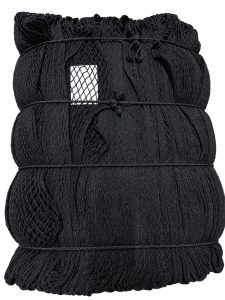
Black Shade Nets
Black nets are the most commonly used in Kenya due to their strong light reduction properties.
They:
- Reduce sunlight intensity uniformly
- Lower heat stress in hot regions like Mombasa
- Improve moisture retention in soil
- Support hardy crops like kale, spinach, and cabbages
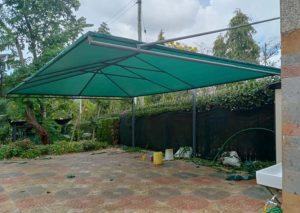
Farmers often source general agricultural shading materials from:
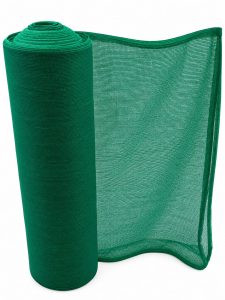
Green Shade Nets
Green nets modify light spectrum and allow more balanced light penetration compared to black nets.
They:
- Enhance vegetative growth
- Improve leaf expansion in leafy vegetables
- Provide moderate shading for delicate crops
- Work well in controlled greenhouse systems
They are commonly used in horticulture and controlled farming environments found in Nairobi peri-urban farms.
WHITE SHADE NET BENEFITS
White nets reflect more light and reduce heat buildup while maintaining brightness.
They:
- Promote uniform plant growth
- Reduce overheating in greenhouses
- Are ideal for flowers and nurseries
Farmers using irrigation systems alongside shade nets often combine them with:
PHOTOSELECTIVE NETTING IN AGRICULTURE
Modern farming increasingly uses photoselective netting agriculture systems that go beyond simple shading.
These nets:
- Modify light spectrum to influence plant hormones
- Improve flowering and fruiting cycles
- Reduce pest visibility and crop stress
This technology is gaining popularity in commercial farms across Kenya and Tanzania.
REGIONAL FARMING APPLICATIONS IN EAST AFRICA
Nairobi – Controlled Urban Farming
Urban farmers use shade nets to optimize vertical farms and greenhouse systems in limited spaces.
Mombasa – Heat Stress Protection
High temperatures and humidity make black shade nets especially effective in reducing crop stress.
Kisumu – Aquaculture Farming Support
Shade nets are also used in fish farming environments to regulate pond temperature and reduce algae growth.
Related aquaculture tools include:
Eldoret – Large Scale Agriculture
Eldoret farms use green and black nets depending on crop cycles, especially for maize seedlings and vegetable farming.
BLACK VS GREEN SHADE NET COMPARISON
Light Intensity Control
- Black nets: Strong reduction
- Green nets: Moderate, balanced reduction
Crop Suitability
- Black nets: Hardy vegetables
- Green nets: Leafy vegetables and nursery plants
Heat Management
- Black nets: Better cooling effect
- Green nets: Moderate temperature control
Growth Behavior
- Black nets: Slower but stable growth
- Green nets: Faster vegetative growth
WHY FARMERS IN KENYA CHOOSE SHADE NETS
Across Kenya and East Africa, shade nets are widely used because they:
- Reduce crop heat stress
- Improve water efficiency
- Increase yield consistency
- Protect against harsh UV exposure
- Support year-round farming
Beyond these core benefits, shade nets also help farmers create more controlled microclimates that stabilize crop development even during sudden weather changes. They reduce wind damage in open fields and minimize soil moisture loss, which is especially important in semi-arid regions such as parts of Eastern Kenya. In high-rainfall areas like Western Kenya, shade nets help prevent crop damage from excessive rainfall impact and fungal growth caused by overly wet conditions.
Farmers also benefit from improved pest management since shade structures can reduce insect visibility and limit direct crop exposure. This leads to lower pesticide use and more sustainable farming practices. In commercial greenhouse systems, shade nets contribute to more predictable production cycles, making planning and market supply more reliable for both smallholder and large-scale farmers.
For agricultural planning and product selection, farmers often explore:
For inquiries:
RELATED PRODUCTS
Agricultural Shade Net Solutions
Used for crop protection and greenhouse farming across Kenya.
View product: Farm Shade Net Collection
UV Resistant Tarpaulin Covers
Provides additional protection for crops and farm equipment.
View product: Heavy Duty Tarpaulin Protection
Irrigation Hose Systems
Supports water distribution in shaded farming environments.
View product: Irrigation and Garden Hoses
Farming Tools and Accessories
Essential tools for installation and maintenance of shade structures.
View product: Farm Tools and Hardware
Precision Measurement Tools
Used to monitor greenhouse conditions and optimize farming environments.
View product: Agricultural Measuring Tools
FAQ
Black vs green shade nets, what is the difference?
Black shade nets reduce sunlight more aggressively, while green shade nets allow more balanced light penetration, influencing plant growth differently depending on crop type.
Which shade net is best for vegetables?
Black shade nets are commonly used for hardy vegetables, while green nets are better for leafy vegetables that require balanced light exposure.
Do shade net colors affect plant growth?
Yes. Different colors filter sunlight differently, affecting photosynthesis, temperature regulation, and plant development.
Are green shade nets better than black ones?
Neither is universally better. The choice depends on crop type, climate conditions, and farming goals.
Can shade nets be used in greenhouses?
Yes. Both black and green shade nets are widely used in greenhouse farming across Kenya and East Africa.
Contact Us
Get Your Premium Netting Solutions Today! For the best quality netting solutions for farming, construction, home, or any other project, look no further than Cougar Nets. Our team of experts is ready to help you choose the perfect product for your needs.
NATIONWIDE & EAST AFRICA DELIVERY AVAILABLE
Premium quality nets for all applications
Professional installation and expert advice
Bulk orders and custom solutions available
Serving Kenya (Nairobi, Eldoret, Kisumu), Uganda, Tanzania, Rwanda, South Sudan, Ethiopia and beyond.
Contact Us for a Quote:
Cougar Nets
Email: sales@cougarnets.com | info@cougarnets.com
Phone: +254 706 903 465
Visit Us: Darosa Plaza, Karen Rd, Nairobi
Website: https://cougarnets.co.ke/