No products in the cart.
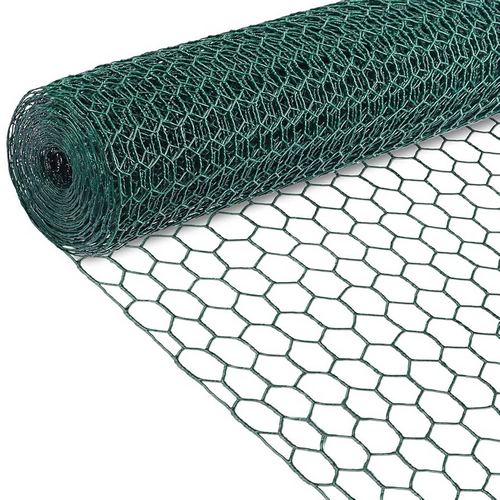
To cut netting without fraying, you must use heat-based cutting methods like a hot knife or seal the edges immediately after cutting. Synthetic nets made from polyethylene or polypropylene will melt slightly when heated, locking the fibers and preventing unraveling. This is the most effective technique for resizing nets in Kenya and East Africa.
INTRODUCTION
In Kenya and across East Africa, netting is widely used in farming, fishing, construction, and home protection. But one common challenge is resizing it without damaging the mesh structure. If you cut it wrongly, the entire net starts to unravel.
Whether you’re working with poultry nets in Eldoret, fish pond covers in Kisumu, or shade nets in Nairobi and Mombasa, knowing how to cut netting without fraying is essential. The good news is that with the right tools and technique, you can safely modify synthetic nets without weakening them.
UNDERSTANDING WHY NETTING FRAYS
Most modern nets sold in Kenya are made from synthetic fibers like:
- Polyethylene (PE)
- Polypropylene (PP)
- Nylon blends
These materials are woven or knotted. When you cut them without sealing, the tension in the mesh causes threads to slip and unravel.
This is why preventing rope unraveling is not optional—it’s a technical requirement.
BEST METHODS FOR CUTTING NETTING WITHOUT FRAYING
1. Hot Knife Method (BEST OPTION)
A hot knife netting cutter is the most reliable tool for clean cuts.
It works by:
- Heating the blade
- Cutting and melting fibers at the same time
- Sealing edges instantly
✔ Clean edges
✔ No fraying
✔ Professional finish
This is widely used in commercial farming and aquaculture setups across Kenya.
2. Heated Wire or Soldering Iron Method
If you don’t have a hot knife, you can use:
- Soldering iron
- Heated wire cutter
This method melts the fibers as you cut, preventing unraveling of synthetic nets.
Best for:
- DIY net modification
- Small-scale resizing jobs
3. Flame Sealing Method (Careful Use)
A lighter or small flame can be used carefully along cut edges.
Steps:
- Cut net first
- Lightly pass flame over edges
- Avoid burning or weakening fibers
⚠️ Not ideal for precision work but useful in field repairs.
4. Knife + Melt Sealing Combination
If you only have a blade:
- Cut net cleanly
- Immediately melt edges using flame or heated tool
This hybrid method is commonly used in rural farming setups in Kenya.
REGIONAL USE CASES IN EAST AFRICA
Eldoret (Agriculture & Farming Nets)
Farmers resizing shade nets and crop protection nets must prevent fraying to maintain structural strength in windy conditions.
Kisumu (Fishing & Aquaculture)
Fish cages and pond nets require clean cuts to avoid weak points that can lead to fish escape.
Mombasa (Coastal Fishing Industry)
High humidity weakens poor cuts faster—sealed edges are essential for durability.
Nairobi (Construction Sites)
Safety nets used in scaffolding must be cut cleanly to maintain load resistance and compliance.
Across Uganda, Tanzania, and Rwanda, similar applications demand proper cutting techniques for durability.
HOW TO PREPARE BEFORE CUTTING NETTING
Before you cut:
- Measure twice
- Mark cut lines clearly
- Stretch net evenly
- Secure edges with clamps or weights
Proper preparation reduces errors and improves final strength.
TOOLS YOU CAN USE
While Cougar Nets does not sell tools directly for cutting, these accessories help in preparation and installation:
- Measuring Tape 5m – Essential for accurate net resizing
- Digital Multimeter (Safety checks for powered cutters) – Useful for ensuring electrical tools are safe
- Braided Rope 12mm – Helps secure nets before cutting or installation
- PVC Tarpaulin Heavy Duty – Often used alongside nets for weatherproof setups
- Hardware Tools Category – General installation support tools
COMMON MISTAKES WHEN CUTTING NETTING
- Using cold scissors on synthetic nets
- Cutting without sealing edges
- Pulling net too tight before cutting
- Ignoring mesh direction
- Using blunt tools
These mistakes lead to rapid unraveling and reduced net lifespan.
PRO TIP: HOW PROFESSIONALS DO IT
Industrial net manufacturers:
- Use ultrasonic cutters or hot blades
- Seal edges instantly
- Reinforce cut points with stitching or heat bonding
This is why commercial-grade nets last much longer than DIY-cut versions.
RELATED PRODUCTS (MANDATORY SECTION)
Here are Cougar Nets products that benefit from proper cutting and installation:
- Fish Pond Cover Nets – Often resized for different pond dimensions; must be heat-sealed for durability.
- Anti Bird Nets – Used in farms and orchards where precise cutting prevents gaps.
- Circular Fish Cages – Require accurate trimming and sealing for structural integrity.
- Poultry Farming Nets Category – Often customized for different poultry house sizes.
- Fishing Nets Category – Requires precise cutting for net efficiency in fishing operations.
PEOPLE ALSO ASK
1. How do you cut netting without it fraying?
Use a hot knife or heat-based cutting tool that melts synthetic fibers while cutting. This seals the edges and prevents unraveling, especially for polyethylene and polypropylene nets used in farming and fishing.
2. Can scissors cut netting cleanly?
Standard scissors usually cause fraying unless the net is immediately heat-sealed after cutting. They are not recommended for professional or long-term use.
3. What is a hot knife netting cutter?
It is an electric tool that heats the blade while cutting synthetic materials. It simultaneously melts and seals the edges to prevent rope unraveling.
4. Why does synthetic netting unravel after cutting?
Because cutting breaks the woven structure and allows fibers to slip out of alignment. Without heat sealing, the mesh loses structural integrity.
5. Can you repair frayed net edges?
Yes. You can use heat sealing, stitching, or binding tape to restore stability, although prevention is always better than repair.
FAQ SECTION
1. What is the best way to cut netting without fraying?
The best method is using a hot knife netting cutter because it melts and seals the fibers at the same time, preventing unraveling and ensuring clean, durable edges.
2. Can I use a normal knife to cut netting?
Yes, but only if you immediately seal the edges using heat. Otherwise, the net will start unraveling within a short time.
3. Is heat cutting safe for all types of nets?
Heat cutting works best for synthetic nets like polyethylene and polypropylene. It should not be used on natural fiber nets.
4. Do professional installers always use hot knives?
Yes, most professionals use hot knives or ultrasonic cutters because they produce strong, sealed edges suitable for commercial use.
5. What happens if I don’t seal cut net edges?
The net will begin to unravel from the cut point, weakening the entire structure and reducing its lifespan significantly.
6. Can frayed nets still be used?
They can be used temporarily, but they lose strength and should be repaired or replaced for safety and performance reasons.
CONTACT US
Get Your Premium Netting Solutions Today! For the best quality netting solutions for farming, construction, home, or any other project, look no further than Cougar Nets…
Get Your Premium Netting Solutions Today!
For the best quality netting solutions for farming, construction, home, or any other project, look no further than Cougar Nets. Our team of experts is ready to help you choose the perfect product for your needs.
NATIONWIDE & EAST AFRICA DELIVERY AVAILABLE
- Premium quality nets for all applications
- Professional installation and expert advice
- Bulk orders and custom solutions available
- Serving Uganda, Ethiopia, South Sudan and beyond.
Contact Us for a Quote:
Cougar Nets
Email: sales@mft.co.ke | info@cougarnets.co.ke
Phone: +254 706 903 465
Visit Us: Darosa Plaza, Karen Rd, Nairobi
Website: https://cougarnets.co.ke/