No products in the cart.
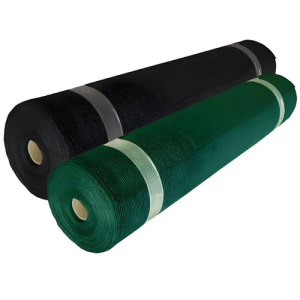
Netting prices in Kenya in 2026 vary based on material type, GSM strength, mesh size, and application such as farming, fishing, or construction. On average, prices range from KSh 50 to KSh 600 per square meter. Higher-quality UV-stabilized and industrial-grade nets cost more but offer longer durability and better performance in harsh Kenyan weather conditions.
Understanding netting prices in Kenya is essential for farmers, contractors, aquaculture operators, and homeowners who depend on durable materials for daily operations. The demand for nets in Kenya and across East Africa continues to rise due to expansion in agriculture, poultry farming, construction infrastructure, and commercial fishing.
From greenhouse farming in Naivasha to coastal fishing in Mombasa and large-scale construction projects in Nairobi, nets play a vital role in productivity, safety, and efficiency. However, pricing is not fixed. It depends on multiple technical and market-driven factors such as material strength, UV resistance, mesh density, and import costs.
As a trusted regional supplier, Cougar Nets provides high-quality netting solutions designed for Kenyan environmental conditions, ensuring customers receive durable, cost-effective, and compliant products aligned with eTIMS tax requirements in Kenya.
Overview of Netting Prices in Kenya (2026 Market Trends)
The Kenyan netting market in 2026 is influenced by rapid growth in agriculture, infrastructure, and aquaculture industries.
Key market drivers include expansion of greenhouse farming in Central Kenya, growth of poultry farming enterprises, increased aquaculture investment around Lake Victoria, urban construction boom in Nairobi, and rising demand for UV-resistant outdoor materials.
General Netting Price Ranges in Kenya (2026)
| Net Type | Price per m² (KSh) | Application |
|---|---|---|
| Shade Nets | 80 – 250 | Farming & greenhouses |
| Poultry Nets | 60 – 180 | Livestock fencing |
| Fishing Nets | 120 – 400 | Aquaculture |
| Construction Safety Nets | 150 – 600 | Building sites |
| HDPE Nets | 100 – 300 | General use |
Where to Buy Netting in Kenya
You can explore verified products here:
shop
home-garden
poultry-farming
fishing
hardware
Types of Netting Materials and Their Prices in Kenya
HDPE netting is the most widely used material in Kenya due to its UV stability, durability, and medium pricing. It is ideal for greenhouses, shade structures, and agricultural applications.
Nylon netting is commonly used in fishing and industrial applications due to its high tensile strength and flexibility, though it is more expensive.
PVC-coated netting is heavy-duty and corrosion-resistant, making it ideal for rabbit farming, animal enclosures, and industrial fencing.
Polypropylene netting is the most affordable option but has a shorter lifespan, making it suitable for temporary applications.
Key Factors Affecting Netting Prices in Kenya
Material quality is the most important factor, with higher-grade polymers costing more but lasting significantly longer.
Mesh size also affects pricing because smaller mesh requires more material.
GSM (grams per square meter) determines strength and durability, meaning higher GSM nets are more expensive.
UV stabilization is essential in Kenya due to high sunlight exposure, especially in Nairobi, Eldoret, and Rift Valley regions.
Import costs, currency fluctuations, and manufacturing standards also influence final pricing.
Netting Prices by Application in Kenya
Agricultural netting is widely used in greenhouse farming in Naivasha, vegetable farming in Nyeri, and horticulture in Kiambu. Prices range from KSh 80 to 220 per m².
Poultry and livestock netting is used in chicken farming in Thika and rabbit farming in Nakuru, costing between KSh 60 and 180 per m².
Fishing and aquaculture nets are essential in Kisumu (Lake Victoria) and Mombasa coastal fisheries, ranging from KSh 120 to 400 per m².
Construction safety nets are used in Nairobi high-rise buildings and infrastructure projects in Eldoret, costing between KSh 150 and 600 per m².
Home and garden nets are used for shade and protection purposes, typically costing KSh 70 to 200 per m².
Netting Price Comparison (2026 Kenya)
| Type | Durability | Cost | Best Use |
|---|---|---|---|
| HDPE | High | Medium | Farming |
| Nylon | Very High | High | Fishing |
| PVC | Very High | High | Industrial |
| Polypropylene | Low | Low | Temporary |
Netting Prices in Nairobi, Mombasa, Kisumu & Eldoret
Nairobi has the highest pricing due to logistics, demand, and strong construction activity.
Mombasa has high demand for fishing nets, with coastal durability requirements increasing cost.
Kisumu maintains stable pricing due to strong aquaculture demand around Lake Victoria.
Eldoret pricing is driven mainly by agricultural demand across the Rift Valley region.
Installation and Maintenance Costs
Installation typically ranges from KSh 50 to 150 per m² depending on complexity and location.
Maintenance involves regular cleaning and proper installation to reduce UV damage and extend lifespan.
Net replacement cycles vary from 2 to 7 years depending on material quality and environmental exposure.
Expert Buying Guide (How to Save Money in 2026)
Buying in bulk can reduce costs by 10–30 percent.
Choosing the correct GSM prevents overspending on unnecessary strength.
UV-stabilized nets offer better long-term value in Kenya’s climate.
Working with verified suppliers ensures quality consistency and compliance.
Always ensure invoices are eTIMS-compliant for business procurement.
Commercial Use Cases Across Kenya & East Africa
In agriculture, nets are widely used in greenhouse farming and irrigation protection systems.
In construction, safety nets protect workers on high-rise buildings and infrastructure projects.
In aquaculture, nets are essential for fish cages in Lake Victoria and coastal marine farming.
FAQ SECTION
What is the average netting price in Kenya in 2026?
Netting costs range between KSh 50 and KSh 600 per square meter depending on material type, durability, and application.
Which is the cheapest netting option in Kenya?
Polypropylene nets are the cheapest but are only suitable for temporary use due to low durability.
What is the best net for farming in Kenya?
HDPE shade nets are best because they are UV resistant, durable, and improve crop yields.
Why are fishing nets more expensive?
Fishing nets use high-strength fibers designed for water resistance and heavy load conditions.
How long do nets last in Kenya?
Depending on material, nets last between 2 and 7 years, with UV-treated nets lasting the longest.
Are netting products in Kenya tax compliant?
Yes, reputable suppliers issue eTIMS-compliant invoices for proper taxation and business records.
Can I get bulk discounts on netting?
Yes, bulk purchases often receive discounts ranging from 10 to 30 percent.