No products in the cart.
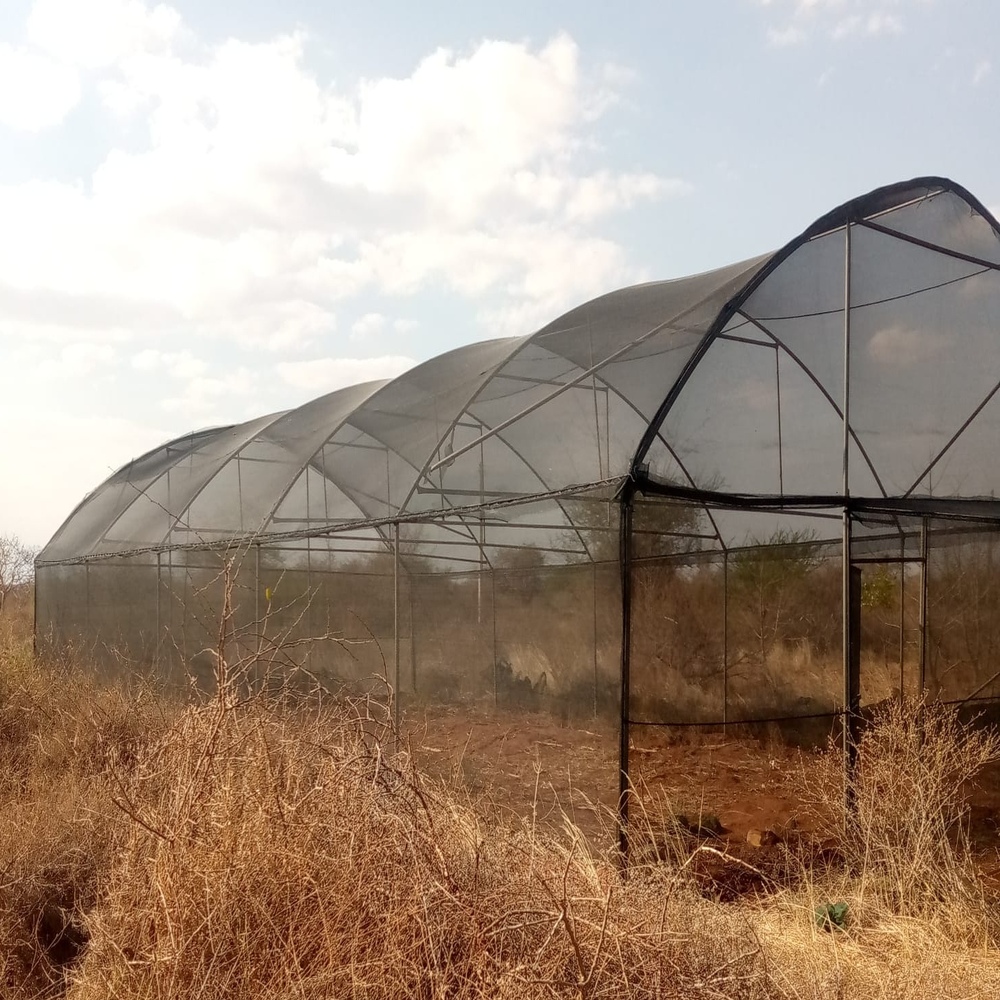
Best Shade Nets for Farming in Kenya.
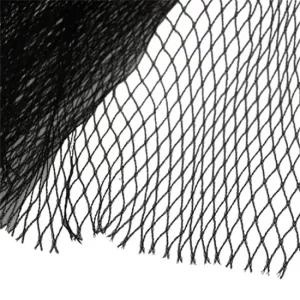
Shade nets Kenya are essential agricultural tools used to protect crops from excessive sunlight, regulate greenhouse temperatures, reduce water loss, and improve overall farm productivity. In Kenya’s diverse climate, high-quality shade nets help farmers achieve stable yields and better crop quality throughout the year.
Shade nets Kenya in modern agriculture
Agriculture in Kenya continues to evolve as farmers adopt more controlled and efficient production systems. One of the most important innovations supporting this shift is the use of shade nets Kenya in farming and greenhouse management.
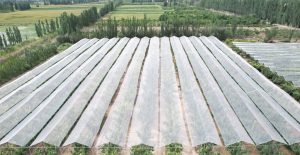
From flower farms in Naivasha to vegetable production in Kirinyaga and large-scale horticulture in Eldoret, farmers are increasingly relying on shade-based protection systems to manage extreme weather conditions. Kenya experiences high solar radiation, irregular rainfall patterns, and increasing temperature fluctuations, all of which directly affect crop performance.
Shade nets Kenya help solve these challenges by creating a controlled microclimate that improves plant growth, reduces stress, and minimizes water evaporation. This makes them a critical investment rather than an optional farming accessory.
Trusted suppliers like Cougar Nets provide durable agricultural solutions available through the home and garden category, ensuring farmers receive quality-tested materials suitable for local conditions.
Why shade nets Kenya are essential for farming success
The use of agricultural nets has become a standard practice in modern Kenyan farming due to several environmental and economic benefits.
Key reasons farmers use shade nets Kenya:
- Protection from excessive sunlight and UV radiation
- Reduced plant water loss through evaporation
- Improved temperature regulation in farms and greenhouses
- Better crop survival rates during extreme weather
- Increased yield consistency across seasons
In regions such as Nairobi, Kisumu, and Mombasa, where weather conditions vary significantly, shade nets Kenya provide stability that traditional open-field farming cannot offer.
Benefits of shade nets Kenya for crop productivity
Proper installation of shade systems directly impacts farm productivity and profitability.
Major benefits include:
- Enhanced photosynthesis efficiency due to controlled light exposure
- Reduced heat stress on sensitive crops
- Improved soil moisture retention
- Lower irrigation costs
- Higher quality produce suitable for commercial markets
For farmers growing high-value crops such as vegetables, fruits, and flowers, these benefits translate into higher income and reduced losses.
Crop protection using shade nets Kenya in agriculture
One of the primary functions of shade nets Kenya is protecting crops from environmental and biological threats.
Protection advantages include:
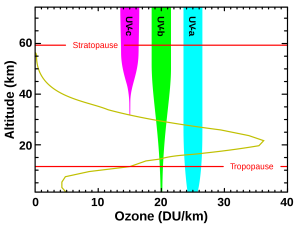
- Blocking harmful UV rays that damage plant tissues
- Reducing pest infestation such as insects and birds
- Protecting crops from strong winds and dust
- Minimizing physical damage during storms
This makes shade nets especially useful for horticulture farms producing tomatoes, capsicum, kale, strawberries, and other sensitive crops.
Choosing the best shade nets Kenya for greenhouse farming
Greenhouse farming is one of the fastest-growing agricultural practices in Kenya. However, success depends heavily on proper environmental control.
Shade nets Kenya are used in greenhouses to:
- Maintain stable internal temperatures
- Control light intensity for optimal growth
- Reduce heat buildup during hot seasons
- Improve humidity balance
Farmers operating greenhouses in areas like Naivasha and Thika benefit significantly from these systems due to their ability to maintain consistent growing conditions.
UV resistant shade nets Kenya for long-term durability
UV resistance is one of the most important features when selecting agricultural netting.
Why UV resistance matters:
- Prevents degradation caused by prolonged sunlight exposure
- Extends product lifespan by several years
- Maintains structural strength and flexibility
- Reduces long-term replacement costs
In Kenya’s high-altitude and equatorial regions, UV exposure is extremely strong. Without proper UV stabilization, nets degrade quickly, especially in open-field farms.
Different shade percentages in shade nets Kenya
Selecting the correct shade percentage is crucial for crop success.
Common shading levels include:
- 30%–40% shade: Ideal for seedlings and light crops
- 50%–70% shade: Suitable for vegetables and flowers
- 80%–90% shade: Best for nurseries and sensitive plants
Incorrect shade selection can either reduce plant growth or cause overheating, making this one of the most important decision factors.
Common mistakes when using shade nets Kenya
Many farmers lose productivity due to avoidable errors when selecting or using shade systems.
Common mistakes include:
- Choosing incorrect shade percentage for crops
- Ignoring UV protection quality
- Buying low-grade or counterfeit materials
- Failing to install nets correctly
- Purchasing from unverified suppliers
These mistakes often lead to early failure and increased operational costs.
Installation guide for shade nets Kenya systems
Proper installation is essential for durability and performance.
Best installation practices:
- Ensure strong and evenly spaced support structures
- Maintain proper tension across the net
- Avoid sagging areas that trap water or debris
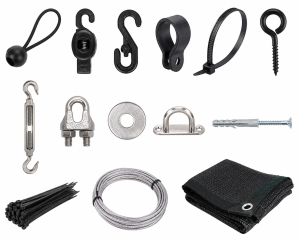
- Use durable fastening materials
- Inspect installation regularly for wear and tear
Improper installation can reduce lifespan by more than 50%.
Applications of shade nets Kenya in farming
Shade nets are used across multiple agricultural sectors in Kenya.
Vegetable farming applications
Used for:
- Tomatoes
- Kale
- Spinach
- Capsicum
Flower farming applications
Common in export-oriented regions such as:
- Naivasha
- Nakuru
- Thika
Used to maintain consistent flower quality.
Nursery farming applications
Essential for:
- Seed germination
- Seedling protection
- Controlled plant growth
Comparing shade nets Kenya with traditional farming methods
| Feature | Shade Nets Farming | Open Field Farming |
|---|---|---|
| Temperature control | High | Low |
| Water efficiency | High | Medium |
| Crop protection | High | Low |
| Yield stability | High | Low |
This comparison shows why modern farming increasingly relies on controlled environments.
Pricing factors for shade nets Kenya in the market
The cost of shade nets depends on several factors:
- Material quality (HDPE recommended)
- UV stabilization level
- Shade percentage
- GSM (weight and strength)
- Size of installation area
While cheaper options exist, they often lead to higher long-term costs due to frequent replacement.
Where to buy shade nets Kenya from trusted suppliers
To ensure durability and performance, farmers should always purchase from verified suppliers.
You can explore:
Frequently Asked Questions
What are shade nets Kenya used for?
They are used to protect crops from excessive sunlight, improve growth conditions, and increase agricultural productivity.
Which shade nets Kenya are best for farming?
UV-stabilized HDPE nets with 30%–70% shading are ideal for most crops in Kenya.
Do shade nets Kenya improve crop yield?
Yes, they improve growing conditions and reduce plant stress, leading to better yields.
How long do shade nets Kenya last?
High-quality nets can last between 3–5 years depending on environmental exposure.
Are shade nets Kenya necessary for greenhouses?
Yes, they are essential for temperature and humidity regulation in greenhouse systems.
Where can I buy shade nets Kenya?
From trusted suppliers like Cougar Nets through their online shop or contact page.
Conclusion
Shade nets Kenya play a critical role in modern agriculture by improving crop protection, controlling temperature, and increasing yield quality. Compared to open-field farming, shade net systems offer more stable and profitable farming conditions, making them an essential investment for farmers across Kenya.
Contact Information
For expert advice, pricing, or bulk orders:
Cougar Nets
Email: sales@cougarnets.com | info@cougarnets.com
Phone: +254 706 903 465
Location: Darosa Plaza, Karen Rd, Nairobi
Website: https://cougarnets.co.ke/