No products in the cart.

Anti-Bird Nets in Kenya: Protect Your Crops Effectively .
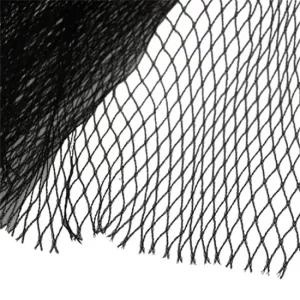
Anti bird nets Kenya are agricultural protection systems designed to prevent birds from accessing crops, reducing harvest losses and improving farm productivity. They are widely used across Kenya in fruit farms, vegetable gardens, orchards, and greenhouses to protect produce during critical growth stages.
Anti bird nets Kenya in modern farming
Agriculture in Kenya plays a central role in food security and income generation. However, one of the most overlooked but costly challenges farmers face is bird damage. Birds often feed on ripening crops such as mangoes, tomatoes, maize, and strawberries, leading to significant losses just before harvest.
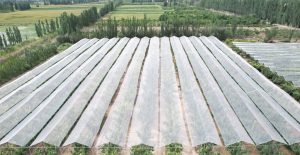
To address this issue, farmers are increasingly adopting anti bird nets Kenya solutions. These protective nets form a physical barrier above crops while still allowing sunlight, air circulation, and rainfall to reach plants naturally. This balance makes them highly effective for both small-scale and commercial farming.
Regions such as Naivasha, Nakuru, Kisumu, Eldoret, and Machakos have seen growing adoption of bird protection systems due to increased horticultural production.
Reliable suppliers like Cougar Nets provide durable agricultural solutions available through the home and garden category.
Why anti bird nets Kenya are essential for farming success
Bird damage can reduce farm yields by 20%–60% depending on crop type and season. For high-value crops, even small losses can significantly affect profitability.
Key reasons farmers use anti bird nets Kenya:
- Protect crops during ripening stages
- Reduce post-harvest losses
- Improve quality of produce for market sale
- Reduce dependency on chemical deterrents
- Support sustainable farming practices
In areas like Kirinyaga and Thika, where horticulture farming is intensive, bird protection systems have become a standard farming investment.
Benefits of anti bird nets Kenya for crop protection
Using bird netting systems provides both economic and agricultural benefits.
Major benefits include:
- Reduced crop losses: Prevents birds from feeding on fruits and vegetables
- Higher market value: Undamaged produce fetches better prices
- Improved yield consistency: Stable production across seasons
- Low maintenance solution: Requires minimal upkeep after installation
- Eco-friendly protection: No chemicals or harmful deterrents used
These benefits make bird netting one of the most cost-effective farm investments in Kenya.
How anti bird nets Kenya protect farms from damage
The primary function of bird netting is physical exclusion.
Protection mechanism:
- Creates a barrier that prevents birds from landing on crops
- Maintains airflow and sunlight penetration
- Protects crops during flowering and ripening stages
- Reduces stress caused by repeated bird attacks
Unlike scare devices, nets provide continuous protection without human intervention.
Types of anti bird nets Kenya used in agriculture
Different farming environments require different netting solutions.
Lightweight bird nets
Ideal for:
- Kitchen gardens
- Small vegetable farms
- Short-term seasonal crops
These are easy to install and cost-effective.
Heavy-duty bird protection nets
Ideal for:
- Commercial orchards
- Large-scale farms
- Export-focused agriculture
These nets are stronger and designed for long-term use.
UV-stabilized agricultural nets
Ideal for:
- High sunlight regions like Nairobi and Garissa
- Permanent installations
- Outdoor farming systems
UV treatment prevents material breakdown caused by intense sun exposure.
Technical features of quality bird nets
Understanding specifications helps farmers make better decisions.
Important technical factors:
- Mesh size: Determines which birds can be blocked
- GSM (weight): Indicates strength and durability
- UV resistance: Extends lifespan under sunlight
- Material type: HDPE is most commonly used
- Tensile strength: Resistance to tearing and wind pressure
Higher-quality nets reduce long-term replacement costs.
Crops protected using anti bird nets Kenya
Bird netting is widely used across Kenyan agriculture.
Common crops include:
- Mangoes
- Strawberries
- Grapes
- Tomatoes
- Maize
- Capsicum
- Leafy vegetables
These crops are especially vulnerable during ripening and harvesting stages.
Installation guide for anti bird nets Kenya systems
Proper installation determines effectiveness and lifespan.
Step-by-step process:
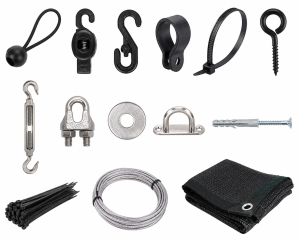
- Measure farm or orchard area accurately
- Install support poles or frames
- Stretch net evenly across structure
- Secure edges tightly to prevent gaps
- Inspect for loose sections or weak points
Poor installation can reduce effectiveness by more than 40%.
Maintenance practices for bird netting systems
Although low maintenance, proper care improves lifespan.
Maintenance tips:
- Inspect nets after strong winds
- Repair small tears immediately
- Clean debris buildup regularly
- Store properly when not in use
- Avoid dragging over rough surfaces
Well-maintained nets can last several farming seasons.
Common mistakes when using anti bird nets Kenya
Farmers often reduce effectiveness through avoidable errors:
- Using low-quality or non-UV nets
- Selecting incorrect mesh sizes
- Poor installation techniques
- Buying from unreliable suppliers
- Ignoring farm-specific requirements
These mistakes lead to early failure and financial losses.
Cost factors of bird protection nets in Kenya
Prices vary depending on several elements:
- Material quality (HDPE recommended)
- UV stabilization level
- Mesh density
- Coverage size
- Durability rating
While cheaper options exist, they often degrade quickly, making long-term costs higher.
Return on investment (ROI) of bird netting
Bird netting is not just a protective measure—it is an investment.
ROI advantages:
- Reduced crop losses increase revenue
- Improved quality leads to better market pricing
- Lower labor costs (no manual guarding needed)
- Long lifespan reduces replacement frequency
Farmers often recover investment within one or two harvest cycles.
Anti bird nets Kenya vs traditional bird control methods
| Method | Effectiveness | Cost | Sustainability |
|---|---|---|---|
| Bird nets | High | Medium | Long-term |
| Scare devices | Low | Low | Temporary |
| Chemical repellents | Medium | High | Risky |
| Manual guarding | Low | High | Inefficient |
Netting remains the most reliable and scalable solution.
Regional use of bird nets in Kenya
Nairobi & surrounding counties
Used in peri-urban farming and horticulture production.
Rift Valley (Nakuru, Eldoret)
Used for large-scale commercial farming and orchards.
Central Kenya (Kirinyaga, Nyeri)
Used for high-value fruit and vegetable farming.
Western Kenya (Kisumu, Bungoma)
Used for mixed farming and maize protection.
Where to buy anti bird nets Kenya
To ensure durability and performance, always purchase from trusted suppliers.
You can explore:
Frequently Asked Questions
What are anti bird nets Kenya used for?
They are used to protect crops from bird damage and reduce agricultural losses.
Do bird nets block sunlight?
No, they allow sunlight, air, and water to pass through while protecting crops.
Which crops need bird protection most?
Fruits like mangoes, grapes, and strawberries are highly vulnerable.
How long do bird nets last?
High-quality UV-stabilized nets last between 3–5 years.
Are bird nets better than chemical repellents?
Yes, they are safer, more effective, and environmentally friendly.
Where can I buy bird nets in Kenya?
From trusted suppliers like Cougar Nets via their shop or contact page.
Conclusion
Bird damage remains one of the most preventable causes of crop loss in Kenya. Investing in anti bird nets Kenya is a practical and cost-effective solution for farmers seeking higher yields, better quality produce, and long-term farm sustainability. With proper installation and quality materials, farmers can significantly improve productivity while reducing losses.
Contact Information
For pricing, bulk orders, or expert advice:
Cougar Nets
Email: sales@cougarnets.com | info@cougarnets.com
Phone: +254 706 903 465
Location: Darosa Plaza, Karen Rd, Nairobi
Website: https://cougarnets.co.ke/