No products in the cart.
Insect Nets vs Pesticides in Kenya: Best Pest Control Method
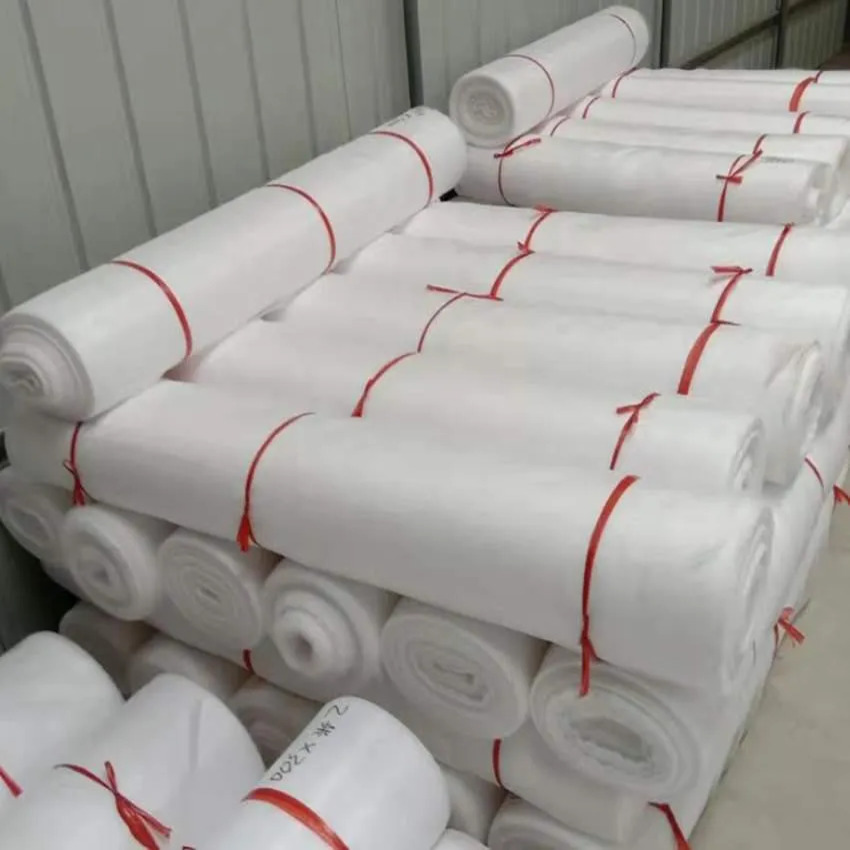
Insect nets are fine mesh agricultural barriers used to physically prevent pests from reaching crops, while pesticides are chemical-based solutions used to kill or repel insects. In Kenya, both methods are widely used, but farmers are increasingly shifting toward net-based protection due to safety, sustainability, and long-term cost advantages.
Pest control in Kenya agriculture
Pest control is one of the most critical challenges facing farmers in Kenya today. Insects such as aphids, whiteflies, caterpillars, and fruit flies cause major crop damage across vegetables, fruits, and greenhouse produce. This leads to reduced yields, lower market value, and significant financial losses.
For decades, chemical pesticides have been the dominant solution. They provide quick results and are easy to apply. However, increasing awareness about food safety, environmental protection, and soil health has led farmers to rethink this approach.
At the same time, modern farming systems are evolving. Controlled agriculture, greenhouse production, and export-oriented farming require cleaner and more sustainable solutions. This is where physical pest barriers like mesh nets have become increasingly important in Kenya’s agricultural landscape.
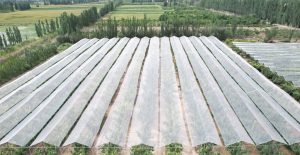
Farmers in regions such as Nakuru, Naivasha, Kirinyaga, Kiambu, and Eldoret are now integrating protective netting systems into both small and large-scale farming operations.
Reliable suppliers like Cougar Nets provide durable agricultural solutions available through the home and garden category.
How insect nets work in modern farming systems
Insect nets function as a physical barrier that blocks pests while allowing natural environmental conditions to remain intact.
Key working principles:
- Prevent insects from entering crop zones
- Allow sunlight to penetrate for photosynthesis
- Enable air circulation to prevent overheating
- Maintain stable humidity levels
- Reduce pest pressure throughout the growing season
Unlike chemical methods, these systems do not interfere with plant biology or soil health. This makes them especially suitable for long-term sustainable farming systems.
Benefits of insect nets in Kenya agriculture
Farmers adopting mesh-based protection systems experience several advantages that directly improve productivity and profitability.
1. Reduced crop losses
One of the biggest benefits is the significant reduction in pest-related crop damage. Fruits and vegetables remain protected throughout their growth cycle.
2. Improved food safety
Since no chemicals are applied directly to crops, produce remains free from pesticide residues, making it safer for consumption and export markets.
3. Lower long-term farming costs
Although installation costs may be higher initially, farmers save money over time by reducing or eliminating repeated pesticide purchases.
4. Better crop quality
Protected crops grow with less stress, resulting in better appearance, size, and market value.
5. Support for organic farming
Mesh-based systems are widely used in organic agriculture, where chemical-free production is a requirement.
How pesticides work in agriculture
Pesticides are chemical substances designed to control pests through direct contact, ingestion, or systemic absorption.
Types of pesticides include:
- Insecticides for insect control
- Fungicides for fungal diseases
- Herbicides for weed management
How they function:
- Kill pests quickly after application
- Provide immediate control during infestations
- Require repeated spraying depending on pest cycles
While effective, pesticides must be used carefully to avoid negative environmental and health impacts.
Insect nets vs pesticides: detailed comparison
| Feature | Mesh Nets | Pesticides |
|---|---|---|
| Control method | Physical barrier | Chemical treatment |
| Effectiveness | Continuous protection | Short-term control |
| Safety | Very high | Moderate to low |
| Environmental impact | Eco-friendly | Risk of pollution |
| Cost over time | Low | High recurring cost |
| Labor requirement | Low after setup | High (repeated spraying) |
This comparison shows why physical protection systems are becoming more popular in modern agriculture.
When to use insect nets in farming
Mesh-based protection is not limited to one type of farming. It is widely used in different agricultural systems across Kenya.
Greenhouse farming
Greenhouses require controlled environments. Mesh nets help maintain pest-free conditions while ensuring proper airflow and light penetration.
Vegetable farming
Crops such as kale, cabbage, spinach, and tomatoes benefit greatly from pest exclusion systems due to their sensitivity to insect attacks.
Fruit farming
High-value fruits such as mangoes, strawberries, and grapes require protection during ripening stages when they are most vulnerable.
Nursery production
Young seedlings are highly sensitive to pest damage, making protective nets essential in early growth stages.
Types of agricultural mesh nets used in Kenya
Different farming environments require different types of netting solutions.
Lightweight insect nets
Used for:
- Home gardens
- Small-scale farms
- Seasonal protection
Heavy-duty agricultural nets
Used for:
- Commercial farming operations
- Large orchards
- Export crop production
UV-stabilized nets
Used for:
- High sunlight exposure regions
- Long-term outdoor farming
- Permanent agricultural installations
Common mistakes farmers make
Despite their effectiveness, many farmers reduce performance due to avoidable errors:
- Using low-quality or non-UV-treated nets
- Poor installation techniques
- Incorrect mesh size selection
- Ignoring crop-specific requirements
- Purchasing from unverified suppliers
These mistakes often lead to reduced effectiveness and higher long-term costs.
Cost analysis: mesh nets vs pesticides
Mesh nets:
- Higher upfront investment
- Minimal maintenance costs
- Long lifespan (3–5 years or more)
Pesticides:
- Low initial cost
- Continuous recurring expenses
- Increasing costs over time
In the long run, mesh-based protection is often more economical.
Environmental and sustainability impact
Modern agriculture is shifting toward sustainability. Physical pest control systems contribute significantly to this transition.
Environmental benefits include:
- Reduced chemical pollution
- Improved soil health
- Protection of beneficial insects
- Safer food production systems
- Support for organic farming standards
This is particularly important in Kenya’s export agriculture sector, where safety standards are strict.
Regional adoption in Kenya
Nairobi and surrounding counties
Used in urban and peri-urban farming systems.
Rift Valley (Nakuru, Eldoret)
Common in large-scale horticulture and commercial farming.
Central Kenya (Kirinyaga, Nyeri)
Widely used in vegetable and fruit farming.
Coastal region (Mombasa, Kilifi)
Used for high-temperature agricultural protection systems.
Where to buy agricultural nets in Kenya
For reliable and durable farming solutions, always choose trusted suppliers.
Explore:
Frequently Asked Questions
What are insect nets used for in farming?
They are used to protect crops from pests without chemical pesticides.
Are insect nets better than pesticides?
Yes, they provide safer and more sustainable long-term protection.
Do mesh nets affect crop growth?
No, they allow natural airflow, sunlight, and water to pass through.
How long do insect nets last?
High-quality UV-treated nets last 3–5 years or longer.
Can insect nets be used in greenhouses?
Yes, they are widely used in controlled greenhouse environments.
Conclusion
The comparison between insect nets and pesticides shows that both have roles in agriculture, but modern farming in Kenya is increasingly shifting toward sustainable, chemical-free solutions. Mesh-based pest control systems offer long-term protection, improved crop quality, and reduced environmental impact, making them a preferred choice for forward-thinking farmers.
Contact Information
For pricing, bulk orders, or expert consultation:
Cougar Nets
Email: sales@cougarnets.com | info@cougarnets.com
Phone: +254 706 903 465
Location: Darosa Plaza, Karen Rd, Nairobi, Kenya
Website: https://cougarnets.co.ke/