No products in the cart.
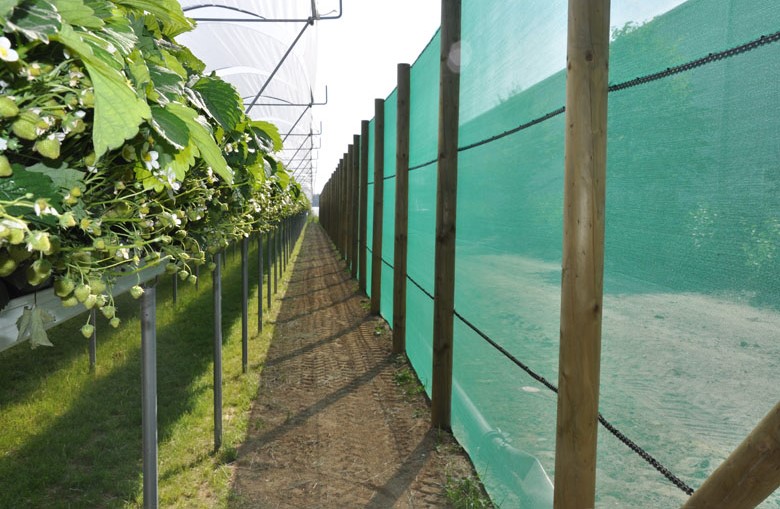
Agricultural windbreak netting in Kenya is a protective mesh used to reduce wind speed across farms, protecting crops, seedlings, and topsoil from wind damage. It is selected based on porosity levels, crop type, and local wind conditions in areas like Naivasha, Narok, and coastal Kenya.
Agricultural windbreak netting is an essential tool for modern farming in Kenya and East Africa, especially in regions exposed to strong winds such as Naivasha, Narok, Kajiado, and parts of coastal Mombasa. Farmers use wind reduction nets to protect crops, reduce soil erosion, and stabilize growing conditions.
In commercial farming systems, windbreak netting for farms helps improve yield consistency and protects delicate crops like vegetables, flowers, and seedlings. Reliable solutions from Cougar Nets are widely used for professional farm protection systems across the region.
What is Agricultural Windbreak Netting?
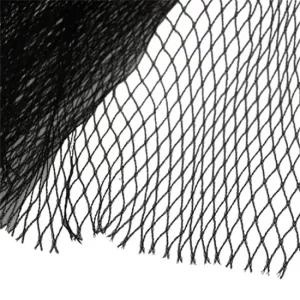
Agricultural windbreak netting is a specially designed mesh installed around or within farms to reduce wind speed and protect crops from physical stress.
It works by:
- Reducing wind velocity
- Preventing soil erosion
- Minimizing crop breakage
- Stabilizing greenhouse and open-field conditions
It is commonly used in:
- Greenhouse farming
- Vegetable farms
- Flower farms in Naivasha
- Large-scale crop plantations
Why Windbreak Netting is Important for Farms in Kenya
Kenya’s agricultural zones experience varying wind conditions that can significantly impact crop productivity.
1. Crop Protection from Wind Damage
Strong winds can:
- Break stems
- Dry out crops
- Reduce pollination efficiency
Agricultural windbreak netting reduces these risks by creating a controlled microclimate.
2. Soil Conservation
Wind erosion is a major issue in dry regions like Kajiado and parts of Rift Valley. Windbreak nets help keep topsoil in place.
3. Improved Water Efficiency
By reducing wind speed, evaporation rates decrease, helping farmers save water in irrigation systems.
How to Choose the Right Agricultural Windbreak Netting
Selecting the right windbreak netting for farms depends on several critical factors.
1. Porosity Level (Most Important Factor)
Porosity determines how much wind passes through the net.
| Porosity Level | Wind Reduction | Best Use |
|---|---|---|
| 30–40% | High wind reduction | Strong wind zones (coastal Kenya) |
| 50–60% | Balanced protection | Mixed farming regions |
| 70–80% | Light wind control | Greenhouses & nurseries |
2. Crop Type
Different crops require different protection levels:
- Vegetables → medium porosity nets
- Flowers → high protection nets
- Seedlings → fine mesh wind screens
3. Farm Location
- Coastal Kenya (Mombasa): high wind resistance nets
- Rift Valley (Naivasha): balanced windbreak systems
- Dry regions (Kajiado): heavy-duty farm perimeter netting
Benefits of Wind Reduction Nets for Farms
Better Yield Stability
With reduced wind stress, crops grow more evenly and consistently.
Protection of Farm Infrastructure
Windbreak netting also protects:
- Greenhouses
- Irrigation systems
- Fencing structures
Reduced Chemical Stress
Less dust and wind means reduced pest movement and contamination.
Agricultural Windbreak Netting vs Fence Wind Screen Mesh
| Feature | Windbreak Netting | Fence Wind Screen Mesh |
|---|---|---|
| Purpose | Crop protection | Privacy + wind reduction |
| Strength | High agricultural grade | Medium |
| Airflow control | Adjustable | Fixed |
| Best use | Farms & plantations | Boundaries & fencing |
Best Applications in East Africa Farming
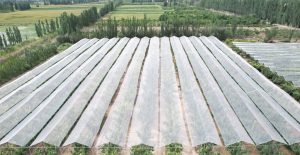
Agricultural windbreak netting is widely used across:
- Kenya: Naivasha flower farms, Kisumu vegetable farms, Kajiado livestock zones
- Uganda: coffee and banana plantations
- Tanzania: maize and horticulture farms
- Rwanda: terraced farming protection systems
Installation Guide for Farm Windbreak Netting
Proper installation ensures maximum effectiveness:
- Identify wind direction across the farm
- Install netting perpendicular to prevailing wind
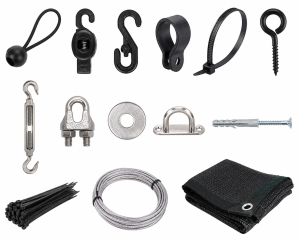
- Secure using strong posts or fencing systems
- Ensure tension is even across the structure
- Leave slight spacing for airflow control
Tip: Multiple rows of windbreak netting are more effective than a single barrier in high-wind regions.
Pricing & Availability in Kenya
The cost of agricultural windbreak netting depends on:
- Material density
- UV resistance
- Height and roll size
- Farm scale requirements
Farmers in Kenya often choose bulk purchases for plantations and commercial farms to reduce cost per meter.
Request quotation:
contact-us
People Also Ask
- What is agricultural windbreak netting used for?
- How does wind reduction netting improve crop yield?
- What porosity is best for farm wind protection?
- Can windbreak netting prevent soil erosion?
FAQ Section
What is agricultural windbreak netting?
It is a protective mesh installed on farms to reduce wind speed and protect crops, soil, and farm structures from wind damage.
How does windbreak netting protect crops?
It reduces wind pressure, preventing stem breakage, moisture loss, and soil erosion while creating a stable growing environment.
What porosity is best for farming?
Most farms in Kenya use 50–60% porosity for balanced wind protection, while stronger winds require lower porosity nets.
Is windbreak netting suitable for all crops?
Yes, it is widely used for vegetables, flowers, seedlings, and commercial plantation crops across East Africa.
Where can I buy farm windbreak netting in Kenya?
You can purchase high-quality agricultural netting from Cougar Nets:
shop
Get Your Premium Netting Solutions Today! For the best quality netting solutions for farming, construction, home, or any other project, look no further than Cougar Nets. Our team of experts is ready to help you choose the perfect product for your needs.
NATIONWIDE & EAST AFRICA DELIVERY AVAILABLE ✔ Premium quality nets for all applications ✔ Professional installation and expert advice ✔ Bulk orders and custom solutions available ✔ Serving Kenya (Nairobi, Eldoret, Kisumu), Uganda, Tanzania, Rwanda, South Sudan, Ethiopia and beyond.
Contact Us for a Quote:
Cougar Nets
Email: sales@cougarnets.com | info@cougarnets.com
Phone: +254 706 903 465
Visit Us: Darosa Plaza, Karen Rd, Nairobi
Website: https://cougarnets.co.ke/
eTIMS Compliance: All Cougar Nets purchases are supported by valid eTIMS invoices, essential for business tax deductions in 2026. Request your tax invoice at checkout or email sales@mft.co.ke.